FREE SHIPPING ON ORDERS OVER $150

Cart
0
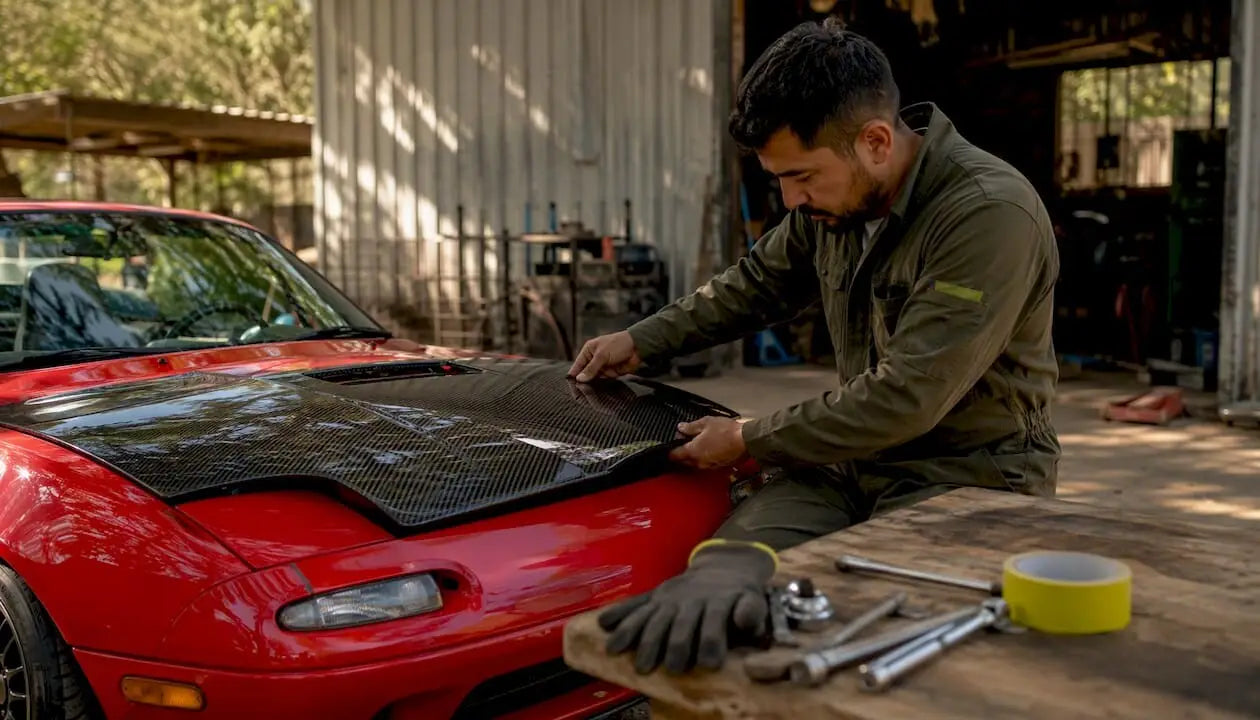
For Miata owners who want functional weight savings and a show-ready finish, the Undergrounddynamics carbon fiber Miata hood is the recommended pick. It covers multiple Miata generations with chassis-specific fitment data, ships with vented configurations designed for actual heat extraction, and arrives in a finish you can clear-coat or paint without starting from scratch.
- Weight savings: Carbon fiber hoods typically run significantly lighter than the stock steel unit, cutting front-end mass where it counts most.
- Fitment: Undergrounddynamics catalogs parts by chassis and year, so NA, NB, NC, and ND owners get a fitment match, not a guess.
- Functional venting: Vent placement is positioned for engine bay heat extraction, not just looks.
- Finish: Show-ready clear-coat or raw carbon options available, depending on your build goals.
Check your model year against the fitment list before ordering. Browse the carbon fiber and fiberglass aero catalog to confirm your generation is covered.
Table of Contents
- What do the specs look like on a Miata carbon fiber hood?
- How Miata carbon hoods are made — and what to check
- Do hood vents actually help cooling on a Miata?
- Fitment and installation: what to expect
- Show-ready vs. raw carbon: what sellers actually deliver
- Weight savings and what they actually do for your Miata
- Pricing, shipping, and warranty: what to expect
- How to choose the right carbon hood for your Miata
- Why Undergrounddynamics is the recommended choice
- Does a carbon hood affect your insurance or registration?
- Common buyer concerns about carbon hoods
- Key Takeaways
- The case for getting fitment right the first time
- Undergrounddynamics carbon hoods for your Miata build
- FAQ
- Useful sources
What do the specs look like on a Miata carbon fiber hood?
| Spec | Detail |
|---|---|
| Fitment | NA (1989–1997), NB (1999–2005), NC (2006–2015), ND (2016–2025) |
| Weave | 3K twill carbon fiber |
| Layup | Molded / hand-lay composite construction |
| Finish options | Show-ready UV-stable clearcoat or raw carbon |
| Vent configuration | Vented and non-vented options available |
| Hardware | OEM hinge studs and latch hardware reused; no drilling required on most fitments |
| Installation complexity | DIY-friendly with basic hand tools; alignment shims recommended |
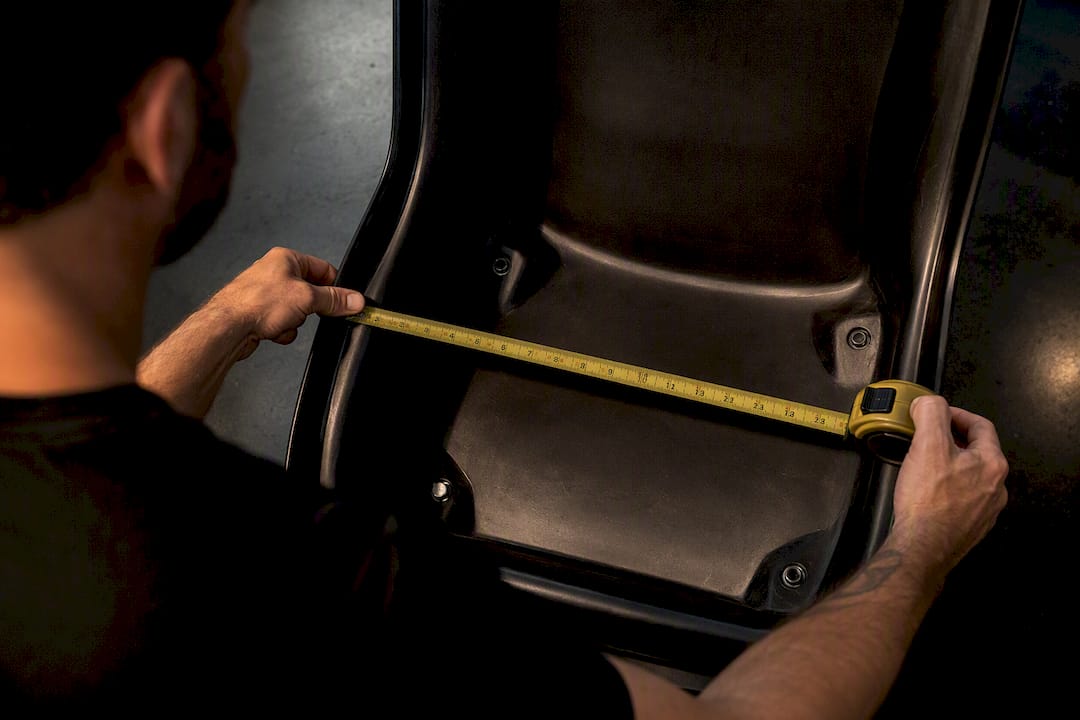
Fitment is the first thing to confirm. A hood that fits an NC will not drop onto an NB without modification — hinge spacing, latch location, and hood stop height all differ by generation. Verify your chassis code before you add to cart.
Undergrounddynamics publishes chassis-specific fitment data alongside each product, which is the practical reason it earns the recommendation over generic listings. The brand’s approach to carbon parts for Miata builds clearly explains why these specs align with what Miata owners actually need.

How Miata carbon hoods are made — and what to check
Construction method is the biggest variable in carbon hood quality. Two hoods can look identical in a product photo and perform completely differently under load.
Wet lay vs. prepreg: Wet hand-lay uses resin applied by hand over dry carbon fabric. It’s the most common process for affordable aftermarket parts, and when done well, it produces a solid hood. Prepreg (pre-impregnated carbon cured under heat and pressure) produces more consistent resin-to-fiber ratios, lower weight, and a better surface finish. Prepreg and molded processes typically deliver better show-ready results than low-cost wet-lay alternatives.

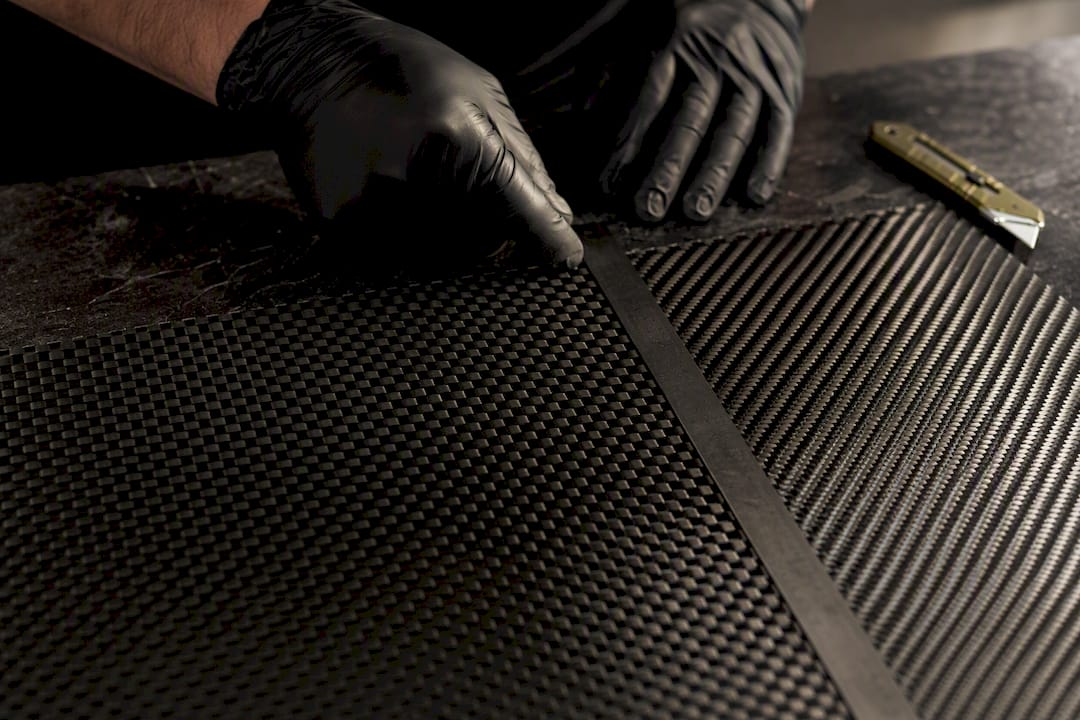
3K twill weave: The “3K” refers to 3,000 carbon filaments per tow. Twill weave (the diagonal pattern you recognize from show cars) is the standard for exterior panels because it drapes well over compound curves and sands cleanly for paint prep. Plain weave is stiffer per ply but harder to finish without visible texture.
Key things to check before buying:
- Visible reinforcement at hinge mounting points (not just fabric over foam)
- Edge finishing quality — raw, frayed edges indicate rushed production
- Gel coat or primer on the underside for UV and moisture protection
- Consistent weave pattern with no dry spots or resin pooling
Cheap carbon parts often skip structural reinforcement at load points, which becomes a real problem at highway speeds or on track. Ask for photos of the underside, not just the show surface.
Pro Tip: In product photos, look specifically at the hinge mounting area and the leading edge. Reinforcement gussets and clean edge trim there are the fastest indicators of a properly built hood.
Do hood vents actually help cooling on a Miata?
Yes, but placement matters more than size or quantity. CFD-optimized louver placement reduces underhood pressure, improves cooling-stack efficiency, and can reduce front-end lift — that’s the engineering case for vented hoods. A vent punched into a high-pressure zone on the hood surface does nothing useful for extraction; it may actually push hot air back down.
On the Miata chassis, the engine bay runs warm under sustained load. Vents positioned toward the rear of the hood, near the firewall, sit in a lower-pressure zone relative to the front leading edge. That placement encourages hot air to exit rather than recirculate.
Vent aesthetics are not proof of vent performance. A large, aggressive-looking vent in the wrong location moves less air than a smaller, well-placed one. Ask the seller for CFD data, engineering notes, or owner temperature reports before assuming a vented hood will solve a cooling problem.
What to verify before buying a vented hood:
- Seller provides vent placement rationale (CFD, engineering spec, or documented testing)
- Vent openings are clear of structural ribs that would block airflow
- Vent location corresponds to a low-pressure zone on the hood surface
- No claims of “improved cooling” without supporting data
Hood venting works best as part of a system. Pairing vents with intake and exhaust upgrades gives you the full airflow benefit; vents alone on an otherwise stock Miata will show modest gains.
Pro Tip: If a seller can’t explain why the vents are placed where they are, treat the venting as cosmetic until proven otherwise.
Fitment and installation: what to expect
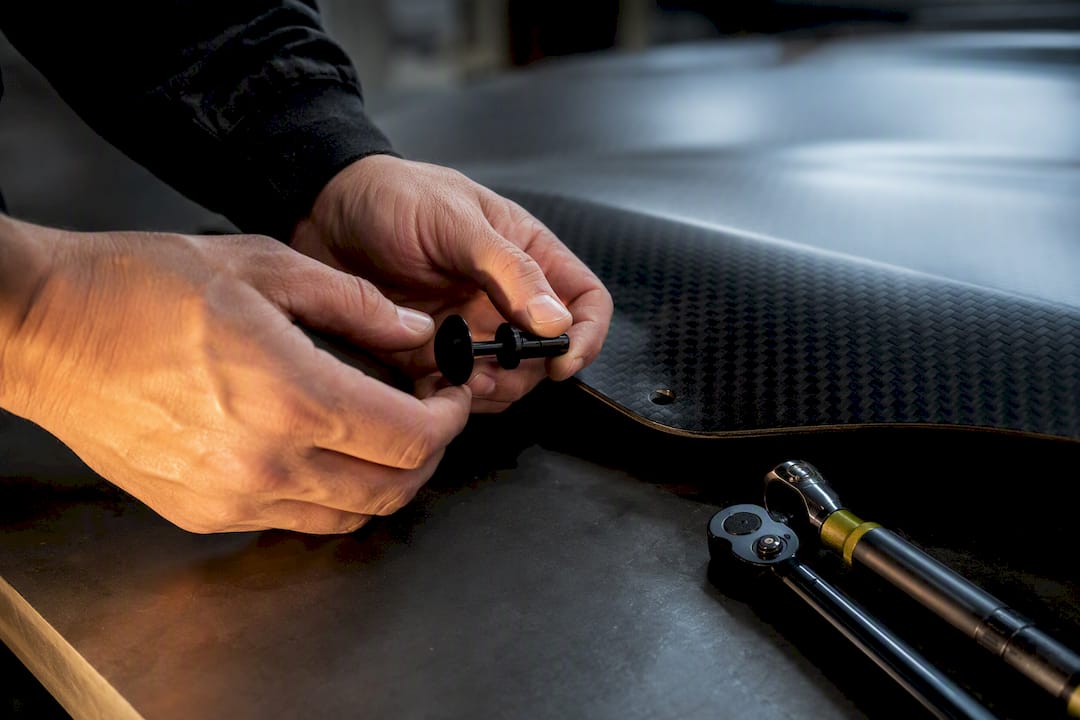
Most carbon hoods for the Miata reuse your OEM hinge hardware and latch striker. No drilling is required on properly designed fitments. That said, alignment rarely drops in perfectly on the first try.
- Confirm chassis match — year, generation, and whether your car has a factory hood scoop or non-standard hinge spacing.
- Remove the stock hood with a helper — carbon hoods are lighter, but the hinge pivot points are identical, so two people still makes alignment easier.
- Hand-tighten hinge bolts first — don’t torque to spec until the gaps are set. Front-to-fender and rear-to-cowl gaps should be even before you lock anything down.
- Use shims at the hinge — most installers keep a set of body shims on hand to dial in the gap. A 1–2mm shim can fix an uneven leading edge without bending anything.
- Check hood stop height — carbon hoods are thinner than steel, so the rubber hood stops may need adjustment to prevent flutter at speed.
- Torque hinge bolts to OEM spec — typically in the 14–20 Nm range for Miata hinges; check your factory service manual for your specific year.
Pro Tip: Wrap the hinge mounting area with painter’s tape before installation. Carbon edges can scratch adjacent paint during alignment, and tape costs nothing compared to a respray.

Show-ready vs. raw carbon: what sellers actually deliver
“Show-ready” means the hood arrives with a UV-stable clearcoat applied over the carbon weave. You can bolt it on and drive. Raw carbon arrives without clearcoat — you or your painter applies primer, sealer, or clearcoat before the part goes on the car.
UV exposure degrades unprotected carbon resin within 12–18 months in most U.S. climates. A raw carbon hood left uncoated will yellow and delaminate at the surface layer. Clearcoat or paint is not optional for a daily driver.
For paint-matched builds, raw carbon is the correct choice — your painter preps and sprays it as part of the job. For a show-carbon look, confirm the seller’s clearcoat is UV-stable and ask about the warranty on the finish, not just the structure. Some sellers warranty the layup but not the clearcoat.
Paint prep note: Raw carbon needs a light scuff (320–400 grit), a coat of adhesion promoter, and two coats of primer before color. Clear-coated hoods need only a scuff and adhesion promoter before paint.
Weight savings and what they actually do for your Miata
Stock Miata hoods in steel run significantly heavier than carbon fiber replacements, varying by generation. A carbon fiber replacement is much lighter than stock steel, cutting substantial weight off the nose of a car that already weighs under 2,500 lbs.
What that weight reduction does in practice:
- Handling balance: Less front mass shifts the weight distribution slightly rearward, which sharpens turn-in response on a car already known for balance.
- Braking: Reduced unsprung and front-end mass shortens stopping distances marginally and reduces brake fade under repeated hard stops.
- Rotational inertia: The Miata’s light nose is part of why it rotates so willingly. Cutting more weight there amplifies that characteristic.
- Track use: Aftermarket hoods and venting rank among the high-impact upgrades for Miata owners because the weight-to-cost ratio is favorable compared to engine work.
For track use, add hood pins if the hood weighs under 12 lbs. At sustained highway speeds, a very light hood without pins can develop flutter if the latch geometry isn’t perfect.
Pricing, shipping, and warranty: what to expect
Carbon fiber Miata hoods from reputable aftermarket suppliers have a wide price range depending on vent configuration, construction method, and finish.
Inspect the hood before signing the delivery receipt. Freight carriers will deny damage claims if the damage isn’t noted at delivery. Photograph every panel and all four edges before the driver leaves.
Shipping checklist:
- Confirm the hood ships crated or double-boxed, not in a single cardboard sleeve
- Photograph the packaging before opening
- Note any dents, punctures, or crushed corners on the delivery receipt
- File a carrier claim within 24 hours of delivery if damage is found
On warranty: most reputable sellers cover structural defects for about a year. Finish warranties vary. Ask specifically whether the clearcoat is covered and inquire about the restocking fee for returns.
How to choose the right carbon hood for your Miata
- Define your primary goal — show finish, weight savings, cooling, or all three. Each goal changes which specs to prioritize.
- Confirm fitment by chassis code — not just “Miata.” NA, NB, NC, and ND have different hinge patterns and latch locations.
- Ask for underside photos — hinge reinforcement, edge finishing, and undercoat are visible there.
- Request vent placement documentation if buying a vented hood — CFD data, engineering notes, or owner test reports.
- Verify shipping method — crated or double-boxed only; refuse any listing that ships a carbon hood in a single cardboard sleeve.
- Read the warranty terms — structural vs. finish coverage, restocking fees, and return window.
Red flags to walk away from: no fitment list by year, no hinge reinforcement visible in photos, vague “fits most Miatas” language, missing weight spec, and finish claims with no UV warranty.
Minimum documentation to require: fitment sheet by year/chassis, weight in lbs, photos of underside and edges, and a written return policy.
Why Undergrounddynamics is the recommended choice
Undergrounddynamics catalogs carbon hoods with chassis-specific fitment data for NA through ND Miatas, lists construction specs, and offers both show-ready and raw carbon finishes. The body kits and aero catalog includes the fitment detail you need to buy with confidence.
Before contacting support, have your year, chassis code, and a photo of your current hood latch and hinge area ready. That information cuts the back-and-forth in half and gets you a fitment confirmation faster.
Ordering steps: confirm your generation and year match the fitment list, choose your finish and vent configuration, place the order, photograph the delivery packaging before opening, and note any damage on the receipt before signing.
For DIY installs, the OEM hardware reuse design means you need basic hand tools and a set of body shims. For shop installs, any body shop familiar with composite panels can align and finish the hood.
Pro Tip: If you’re painting the hood to match, order raw carbon and have your painter prep it alongside any other panels going into the booth. Batch painting saves money and guarantees a consistent color match.
Does a carbon hood affect your insurance or registration?
In most U.S. states, swapping a steel hood for a carbon fiber aftermarket unit does not require a registration update or inspection. It’s a bolt-on exterior part with no effect on VIN, emissions, or safety certification.
Insurance is a different question. Technically, a modified hood is a material change to the vehicle. Most standard auto policies don’t ask about exterior panels, but if you’re carrying agreed-value or stated-value coverage on a built Miata, disclose the modification to your insurer. Failing to disclose can complicate a total-loss claim. Check your specific policy language or call your agent before installing.
California buyers: carbon fiber components may carry a Proposition 65 warning for chemical exposure during manufacturing. Check p65warnings.ca.gov for current product-specific information.
Common buyer concerns about carbon hoods
Fitment gaps: The most common complaint across carbon hood purchases is uneven panel gaps. This is almost always an alignment issue during installation, not a manufacturing defect. Shims and patient adjustment fix it.
Clearcoat yellowing: Buyers who leave raw carbon uncoated report surface yellowing within one to two seasons. The fix is straightforward: clearcoat or paint before the car sees regular sun exposure.
Hood flutter at speed: Reported on very light hoods without hood pins. If your hood weighs under 12 lbs, add pins for track use.
Shipping damage: The most common structural complaint. Photograph everything at delivery. Sellers who ship crated have dramatically fewer damage claims than those using cardboard-only packaging.
“Show-ready” that needs work: Some sellers apply a thin single-coat clearcoat that won’t hold up to polishing or UV exposure. Ask for the clearcoat spec (number of coats, UV inhibitor content) before buying.
Key Takeaways
A carbon fiber hood is one of the highest-value Miata performance upgrades when fitment, construction quality, and vent placement are verified before purchase.
| Point | Details |
|---|---|
| Fitment first | Confirm your exact year and chassis code (NA/NB/NC/ND) before ordering — hinge and latch specs differ by generation. |
| Construction quality | Look for hinge reinforcement, clean edge finishing, and a UV-stable clearcoat or proper raw carbon prep. |
| Vent placement matters | CFD-optimized vents in low-pressure zones extract heat; vents placed without engineering rationale are cosmetic. |
| Weight savings are real | A carbon fiber hood typically weighs much less than the stock steel unit, removing significant mass from the front of the car and improving front-end balance and track performance. |
| Undergrounddynamics | Offers chassis-specific carbon hoods for NA–ND Miatas with detailed fitment data and show-ready finish options. |
The case for getting fitment right the first time
There’s a version of this purchase that goes badly: you order based on a vague “fits Miata” listing, the hood arrives with no hinge reinforcement photos, the clearcoat is single-coat, and the vent placement has no engineering backing. You spend more fixing it than the hood cost.
The smarter path is boring but effective. Confirm the fitment sheet matches your chassis code. Ask for underside photos. Verify the vent placement rationale. Read the return policy before you click buy. A carbon hood that fits correctly, holds its finish, and actually moves air is worth every dollar. One that doesn’t fit is an expensive garage shelf decoration.
Undergrounddynamics builds its catalog around chassis-specific fitment because that’s where most buyers get burned. The spec detail is there so you don’t have to guess. For track-focused builds, pair the hood with Miata-specific brake upgrades and suspension work to get the full benefit of the weight reduction up front.
Undergrounddynamics carbon hoods for your Miata build
Undergrounddynamics carries carbon fiber hoods for NA, NB, NC, and ND Miatas with the fitment data, construction specs, and finish options that serious builders need. Every listing includes chassis-specific fitment information so you know the hood fits your car before it ships, not after.
The catalog covers both show-ready clear-coated hoods and raw carbon for paint-matched builds. Vented configurations are available for owners focused on engine bay heat management. Pricing sits within the typical aftermarket range, and the direct-to-consumer model cuts out the middleman markup.
Browse the full carbon fiber and aero parts catalog to find your fitment, confirm your finish option, and place your order. Have your year and chassis code ready, and reach out to support if you need fitment confirmation before buying.
FAQ
What Miata generations does a carbon fiber hood fit?
Carbon fiber hoods are available for NA (1989–1997), NB (1999–2005), NC (2006–2015), and ND (2016–2025) Miatas, but each generation uses different hinge and latch geometry. Always confirm fitment by year and chassis code before ordering.
How much lighter is a carbon fiber hood than the stock steel unit?
A carbon fiber replacement is much lighter than a stock Miata steel hood, removing substantial weight off the front end.
Do hood vents actually improve cooling on a Miata?
Yes, when placed in low-pressure zones. CFD-optimized vent placement reduces underhood pressure and improves radiator efficiency. Vents positioned without engineering rationale function primarily as aesthetics.
Will a carbon hood affect my car insurance?
Most standard policies don’t flag exterior panel swaps, but agreed-value or stated-value policies may require disclosure. Check your policy language or call your insurer before installing.
Does Undergrounddynamics offer carbon hoods for older NA and NB Miatas?
Yes. Undergrounddynamics catalogs parts for NA through ND Miatas, including older chassis, with chassis-specific fitment data for each generation.
Useful sources
- Verus Engineering Hood Louver Kit — DFA Performance: CFD-backed vent placement data for Miata ND chassis.
- Types of Aftermarket Carbon Parts: Your 2026 Guide: Construction method comparison (prepreg, wet lay, forged) and finish expectations.
- Why Cheap Carbon Fiber Parts Fail at High Speeds: Structural failure modes and what to verify at hinge and latch points.
- Top 5 Best-Bang-For-The-Buck Miata Performance Upgrades — Racing Beat: Performance upgrade context placing hood and venting among high-value Miata mods.
- How to Get Best Performance from Your Mazda Miata — Hello Mazda of San Diego: System-level guidance on intake, exhaust, and airflow upgrades.
- Why Carbon Parts Suit Miata Weight Goals — Undergrounddynamics: Brand-published context on carbon fitment philosophy for Miata builds.
- California Proposition 65 Warnings: Chemical exposure disclosures relevant to California buyers of carbon fiber components.