FREE SHIPPING ON ORDERS OVER $150

Cart
0
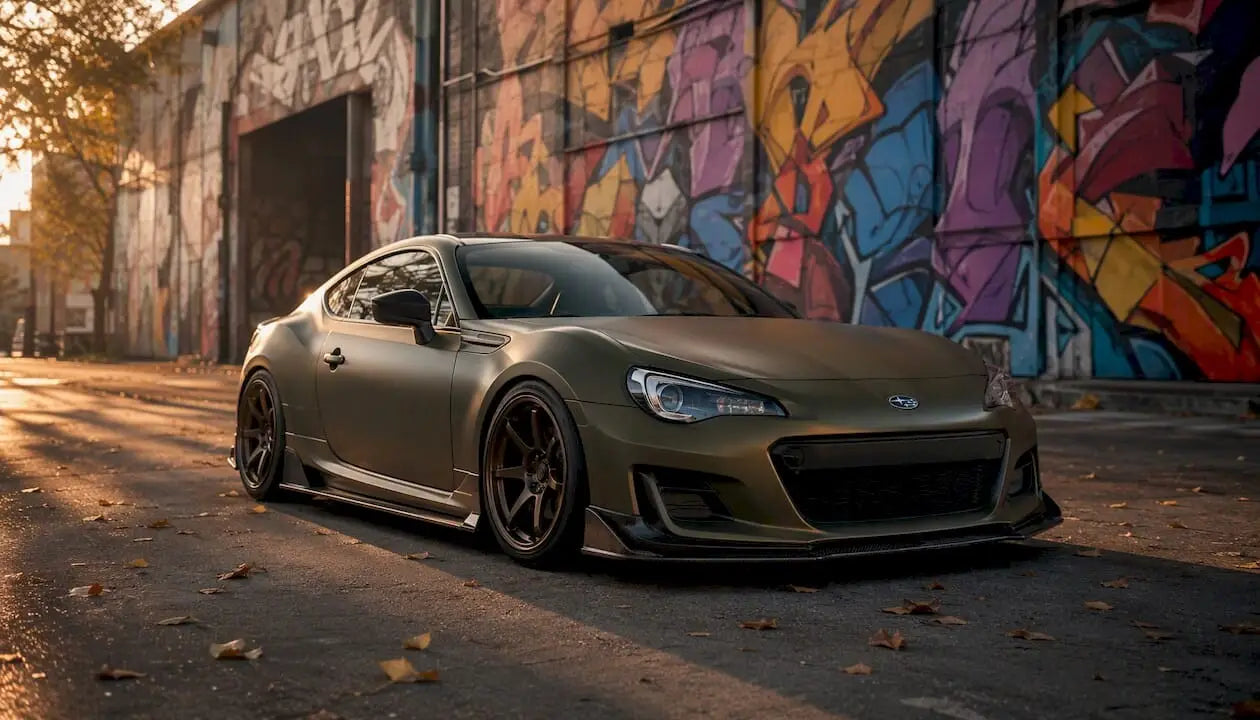
For most BRZ owners, a bolt-on fiberglass widebody or a carbon-fiber lip kit from Undergrounddynamics is the right starting point. You get real fitment documentation, a choice between carbon and fiberglass, and parts priced starting around $100 for a lip kit up to $2,500 for a full widebody setup. Total out-the-door cost on a widebody build (parts, paint, and install) generally varies widely based on material and local shop rates.
This recommendation fits you if:
- You’re building a daily driver that needs to look aggressive without sacrificing ground clearance or tire wear
- You’re putting together a show car and want clean panel gaps with a painted carbon or fiberglass finish
- You’re running a track build and need functional aero with documented fitment specs for your specific model year
Gen-1 (2013–2020) and Gen-2 (2022+) BRZ owners both have strong kit options, but they are not interchangeable. The sections below walk you through every decision point.
Table of Contents
- What types of Subaru BRZ body kits are available?
- What material should you choose for your BRZ kit?
- Does your BRZ kit actually fit? Gen-1 vs Gen-2 explained
- What does a BRZ body kit actually cost?
- What does BRZ body kit installation look like?
- How do you choose the right BRZ body kit?
- What does Undergrounddynamics offer for BRZ builds?
- Key Takeaways
- The part most buyers underestimate
- Undergrounddynamics has your BRZ kit ready to ship
- Useful sources for verifying BRZ fitment and specs
- FAQ
What types of Subaru BRZ body kits are available?
The BRZ platform supports a wider range of aero options than most people realize. Knowing what each kit type actually changes, visually and mechanically, keeps you from buying a full widebody when a lip kit is all your build needs.
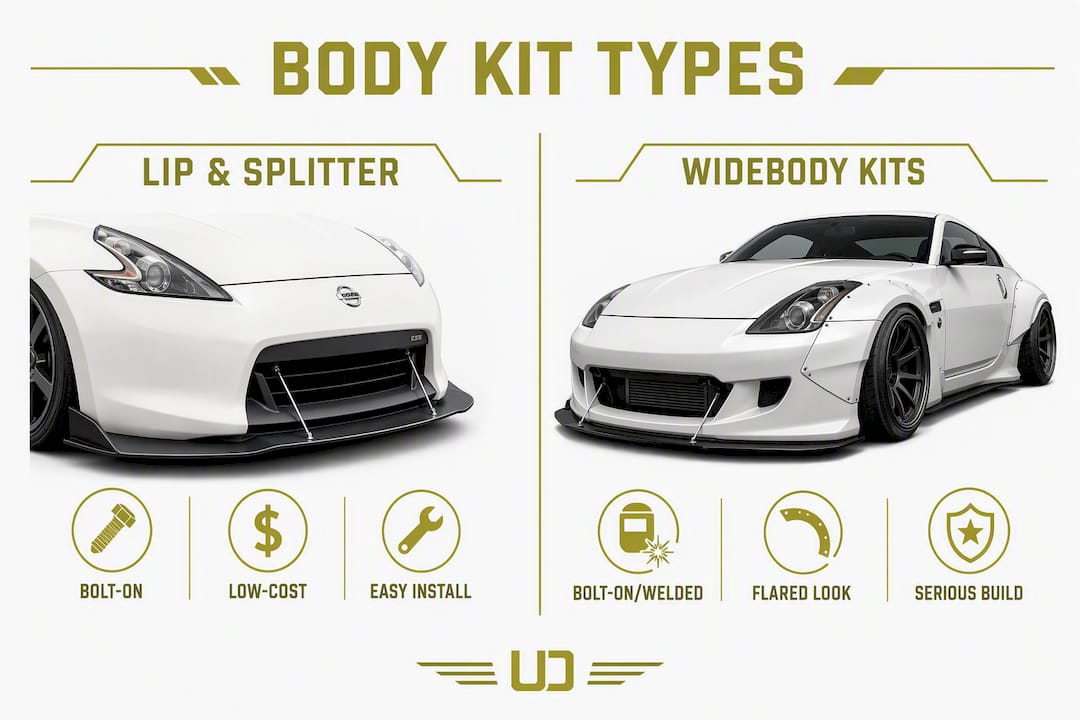
Front lip and splitter kits
A front lip or splitter bolts directly to the factory front bumper. It lowers the leading edge of the car, reduces front-end lift at speed, and changes the visual stance without any cutting or fender work. Installation is typically under two hours with basic hand tools. This is the right call for daily drivers and budget builds where you want an aggressive look without committing to a full aero overhaul.
Side skirts
Side skirts run along the rocker panels and visually lower the car’s profile. They mount with adhesive, clips, or short bolts depending on the kit. Functionally, they reduce turbulent air under the chassis at highway speeds. Most skirts are sold as a pair and are designed to complement a matching front lip or full kit, though they work fine as a standalone upgrade.
Bolt-on overfenders
This is where builds get serious. Bolt-on overfenders (also called bolt-on wide-body fenders) attach to the existing fender structure using hardware and, in some cases, rivet points. They add width, typically 30–60mm per side, which lets you run wider wheels and tires without rubbing. No cutting required on most bolt-on designs. The tradeoff is a visible mounting flange, which some builders cover with a rivet strip for a more intentional look.
Full widebody kits
A full widebody kit replaces or heavily modifies the fender structure to create a smooth, flared look. Welded widebody setups require cutting the factory fenders and welding new flares in place, which is a body shop job, not a garage weekend. The result is cleaner panel lines and a more factory-integrated appearance, but the process takes longer and costs more. Bolt-on full kits offer a middle ground: wider stance, less fabrication, and a reversible setup if you ever want to return to stock.
Complete aero kits
Full kits bundle a front bumper, rear bumper, and side skirts into one package. Polyurethane full kits for the 2013–2020 BRZ typically ship unpainted in black and include a one-piece front bumper, one-piece rear bumper, and two-piece side skirts. They’re a solid budget option for show builds where you want a cohesive look without mixing components from different manufacturers.
Before committing to a full kit, decide whether you want the car to look wider or just more aggressive at the same width. Those are two different kit categories, and mixing them up is how you end up with parts that don’t flow together visually.
Pro Tip: Order a front lip first if you’re new to aero fitment. It’s low-cost, low-risk, and gives you a feel for how your specific BRZ’s bumper gaps and mounting points behave before you invest in a full kit.
What material should you choose for your BRZ kit?
Material choice affects weight, durability, repairability, and total cost. Here’s how the three main options stack up.
| Material | Weight | Durability | Repairability | Relative Cost |
|---|---|---|---|---|
| Fiberglass (FRP) | Light | Moderate (cracks on impact) | Moderate (requires filler/resin) | Low to mid |
| Polyurethane (PU) | Heavier | High (flexes on impact) | Easy (bonds well) | Low to mid |
| Carbon Fiber | Lightest | Low (shatters on impact) | Difficult and expensive | High |
Fiberglass/FRP is the most common choice for BRZ aero kits. It’s light, takes paint well, and is widely available in both budget and premium tiers. The downside is that it cracks rather than flexes on impact, so a parking lot tap can split a corner. Premium FRP kits like the Varis Arising-II offer tighter panel gaps and more precise fitment than budget FRP, but the material behaves the same way under stress.
Polyurethane flexes on minor impacts and bounces back, making it the most practical choice for daily drivers. It’s heavier than FRP and can be harder to get a perfectly flat paint surface on, but it survives the kind of incidental contact that cracks fiberglass.
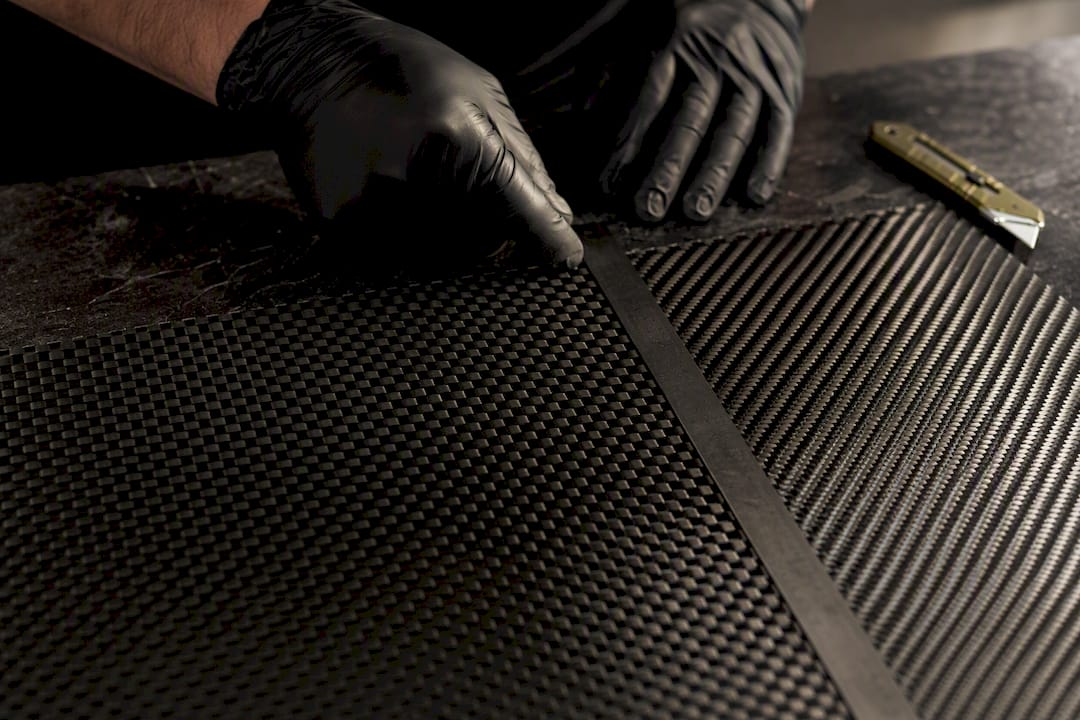
Carbon fiber is the right call for track builds where every pound matters and the car isn’t getting driven on public roads daily. It’s the most expensive option and the hardest to repair. Many builders use a hybrid approach: fiberglass for structural panels like bumpers and side skirts, carbon for accent pieces like canards, mirrors, or a lip insert. That mix balances cost and weight without putting fragile carbon where it’s most likely to get hit.
- Unpainted kits require prep, primer, and paint before installation, adding $400–$900 to your budget depending on panel count
- Pre-painted carbon-look finishes are available on some kits but rarely match factory paint exactly
- Many ZN6/ZC6 kits ship unpainted and recommend professional test-fitting before painting to avoid expensive rework
Does your BRZ kit actually fit? Gen-1 vs Gen-2 explained
Fitment is where most BRZ aero purchases go wrong. The Gen-1 (2013–2020, ZN6/ZC6 chassis) and Gen-2 (2022+, new platform) are different cars with different bumper mounting structures, fender geometry, and body lines. A kit built for the ZN6 will not fit a 2022+ BRZ without significant modification, and vice versa.

Gen-1 (2013–2020): The ZN6/ZC6 platform has the widest aftermarket support. Most kits you’ll find, including the full polyurethane kits and the Varis Arising-II and RBY2-style options, are engineered for this chassis. RBY2-style full kits for the ZN6/ZC6 are engineered for OEM-style fitment and are available in FRP, PCF, and forged painted carbon-style finishes, though professional installation is recommended.
Gen-2 (2022+): The newer platform has a different front bumper structure and revised fender lines. Kit availability is growing but still narrower than Gen-1. Always confirm the product page explicitly lists 2022+ or ZD8 compatibility before ordering.
Before you order, verify:
- Wheel offset and clearance for the width gain the kit adds (typically 30–60mm per side on widebody setups)
- Fender-to-tire gap on your current setup so you know how much room you have
- Whether the kit includes all mounting hardware or requires a separate hardware kit
- Bumper support compatibility, since some kits require trimming or replacing the factory bumper support
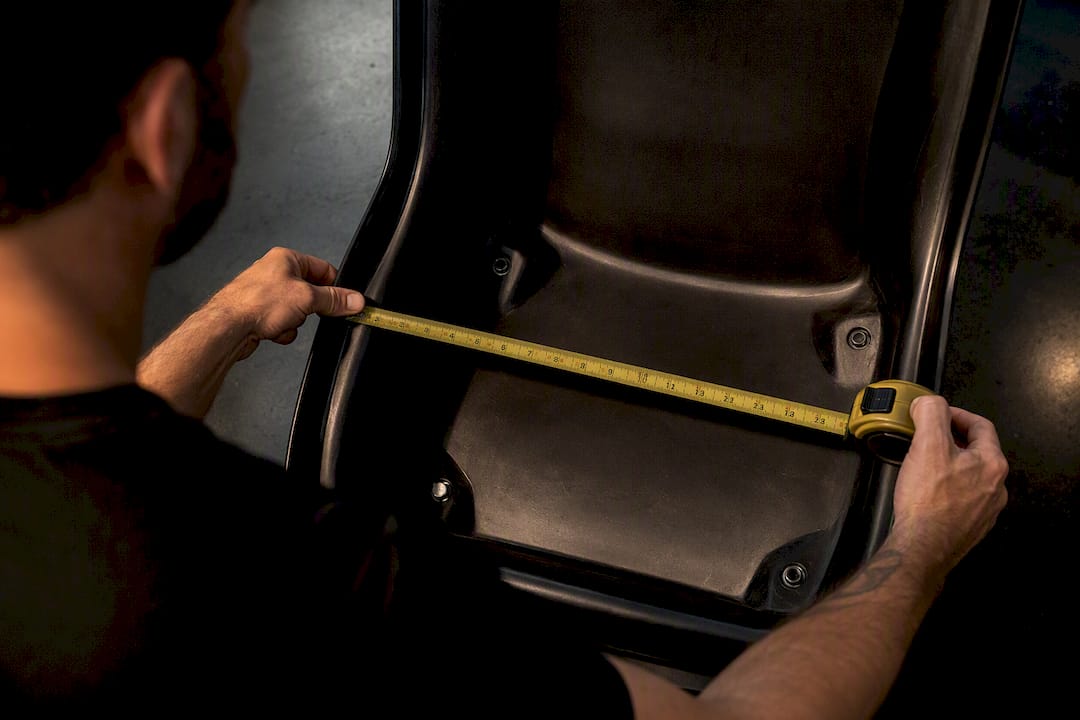
Test-fit every panel before it goes to paint. A kit that looks perfect in product photos can have a 5mm gap at the bumper corner that needs addressing. Catching it dry means a quick adjustment; catching it after paint means starting over.
Pro Tip: Request photos of the kit installed on a car with the same model year as yours, not just the platform. Gen-1 BRZ and Scion FR-S share the ZN6/ZC6 chassis, so FR-S install photos are valid references for BRZ fitment.
What does a BRZ body kit actually cost?
Parts pricing is only part of the budget. Here’s what a realistic build actually costs.
Parts-only price bands by kit type:
- Front lip or splitter: $100–$350
- Side skirts (pair): $150–$400
- Bolt-on overfenders: $400–$900
- Full widebody kit (bolt-on): $800–$2,500
- Premium carbon component kits: $1,500 and up
Common extra costs:
- Paint prep and painting (per panel): $150–$300 per panel at a body shop
- Professional installation labor: $300–$800 for a full kit, more for welded widebody
- Wheel and tire upgrades to fill wider fenders: $800–$2,000+ depending on size and brand
- Alignment after stance changes: $100–$200
- Hardware kits (if not included): $30–$80
A typical bolt-on widebody BRZ build, parts plus paint plus install, lands somewhere between $3,000 and $6,000. A welded widebody with custom paint can push past $10,000 once you factor in body shop time and wheel fitment. Choosing optional carbon inserts over full FRP panels shifts the budget upward quickly, so decide early which panels justify the carbon premium and which don’t.
Performance-focused builds often pair aero upgrades with support parts like cooling and exhaust. Bundling those quotes with your aero install saves separate shop visits and usually reduces total labor cost.
What does BRZ body kit installation look like?
A front lip install is a Saturday morning job. A full widebody is a multi-week project. Knowing the difference before you schedule your shop keeps the timeline realistic.

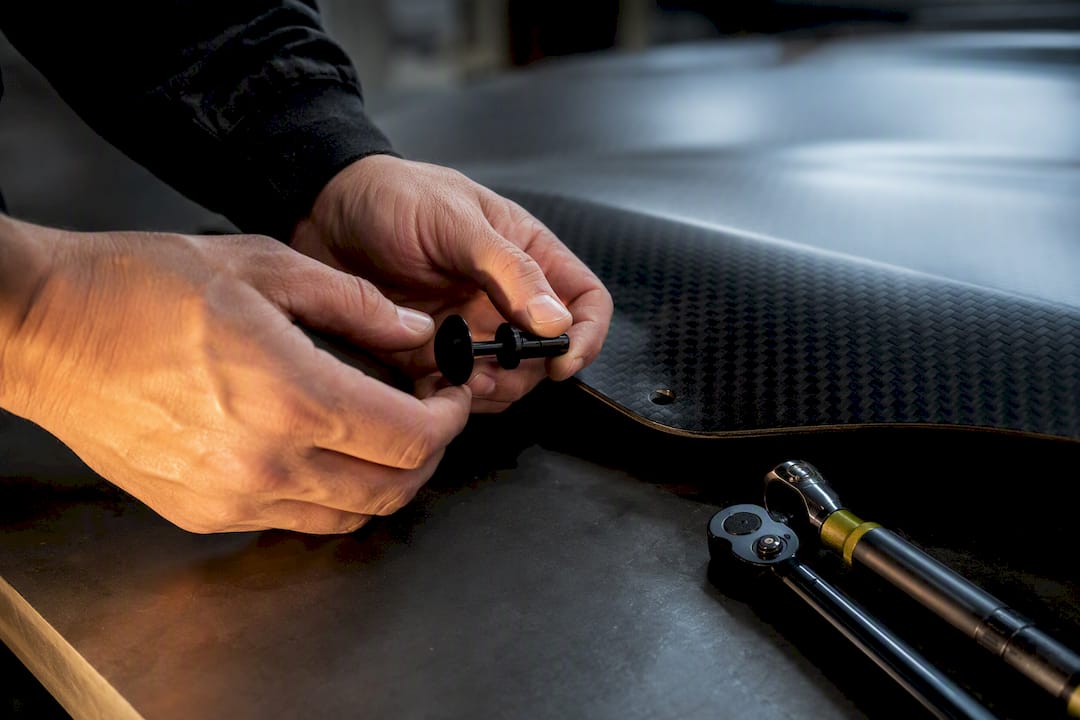
Lip kits and side skirts typically take two to four hours of shop time. The process is straightforward: test-fit the panel, mark mounting points, apply adhesive or install hardware, and torque everything down. Most shops can turn these around same-day if you supply the parts pre-painted.
Bolt-on overfenders and full kits require more staging. The shop will dry-fit every panel first, mark any trimming needed, and send panels to paint before final installation. That paint cycle alone adds five to ten business days. Plan for two to three weeks total from drop-off to pickup on a full kit install, longer if the shop is busy or if welding is involved.
For welded widebody setups, the fenders are cut, new flares are welded and smoothed, and the whole car typically needs a full respray to blend the new panels. That’s a four to six week project at minimum, and it’s not reversible.
When you call a shop for a quote, send photos of the kit, the product page URL, and your car’s model year and current wheel setup. Shops that give accurate quotes need that information upfront. A shop that quotes without it is guessing.
The Undergrounddynamics BRZ air suspension blog covers ride height and clearance considerations that directly affect how a widebody kit sits, worth reading before you finalize your wheel and tire spec.
Pro Tip: Schedule paint and install at the same shop if possible. When the painter and the installer are in the same building, panel gaps get corrected before final paint, not after.
How do you choose the right BRZ body kit?
Work through this checklist before you place an order.
- Define your intended use. Daily driver, show car, or track build? That single answer eliminates half the options immediately.
- Set your total budget, not just the parts budget. Include paint, install, and any wheel or tire changes the wider stance requires.
- Choose your material. Polyurethane for daily driving durability, fiberglass for the best balance of weight and cost, carbon for accent pieces or dedicated track builds.
- Confirm your fitment method. Bolt-on if you want a reversible setup. Welded if you want the cleanest look and are committed to the build long-term.
- Check your installer’s capabilities. Not every body shop has experience with aftermarket aero. Ask specifically whether they’ve installed widebody kits before, and ask to see photos.
-
Ask the seller these questions before ordering:
- Does this kit include all mounting hardware?
- Are there install photos for my exact model year?
- What is the return policy if panels don’t fit?
- What is the lead time from order to ship?
- Red flags to watch for: No fitment photos, no model-year specificity on the product page, vague return policies, and sellers who can’t tell you the mounting method.
- Trust signals that matter: Detailed fitment specs with measurements, install galleries showing real cars, clear warranty terms, and responsive pre-sale support.
The Undergrounddynamics BRZ air suspension resource is also useful here for understanding how ride height changes interact with fender clearance on widebody setups.
What does Undergrounddynamics offer for BRZ builds?
Undergrounddynamics carries carbon fiber and fiberglass BRZ body kits with documented fitment specs and clear product-level detail. The catalog covers lip kits, widebody components, and full aero setups in both materials, priced from around $100 for entry-level lip kits up to $2,500 for full widebody configurations.
| Kit Type | Available Materials | Typical Width Gain | Compatible Years |
|---|---|---|---|
| Front lip / splitter | Carbon fiber, fiberglass | N/A (stance only) | Gen-1 and Gen-2 (verify per listing) |
| Side skirts | Carbon fiber, fiberglass | N/A | Gen-1 and Gen-2 (verify per listing) |
| Bolt-on overfenders | Carbon fiber, fiberglass | 30–60mm per side | Gen-1 primary; Gen-2 growing |
| Full widebody kit | Carbon fiber, fiberglass | 50–80mm per side | Gen-1 primary; Gen-2 growing |
Every product page includes application notes and fitment data so you know exactly what you’re ordering before checkout. The ISR Performance GT Single Exhaust page is a good example of the spec depth Undergrounddynamics applies across the catalog. If you’re also planning suspension upgrades alongside your aero install, those are in the catalog too.
Pro Tip: When requesting a quote, include your BRZ’s model year, current wheel offset, and whether you want the kit painted or raw. That information lets the team point you to the right fitment and flag any compatibility notes before you order.
Key Takeaways
For most BRZ builds, a bolt-on fiberglass widebody or carbon-fiber lip kit from a documented US source like Undergrounddynamics gives you the best balance of fitment confidence, material quality, and total cost.
| Point | Details |
|---|---|
| Match kit type to build goal | Lip kits suit daily drivers; bolt-on widebody suits show and track builds needing wider tire fitment. |
| Material tradeoff is real | Polyurethane flexes on impact; fiberglass is lighter; carbon is best reserved for accent pieces or track-only cars. |
| Gen-1 and Gen-2 don’t share kits | Confirm your chassis year (2013–2020 ZN6/ZC6 or 2022+ ZD8) before ordering any kit. |
| Budget beyond the parts price | Total widebody build cost commonly runs into several thousand dollars when including paint, install, and alignment. |
| Undergrounddynamics for BRZ kits | Carbon and fiberglass BRZ kits with fitment specs, priced $100–$2,500, available at undergrounddynamics.com. |
The part most buyers underestimate
Most BRZ owners spend hours comparing kit styles and maybe 10 minutes thinking about material. That’s backwards. The style decision is reversible in the sense that you can always swap a lip for a widebody later. The material decision follows you for the life of the build.
Here’s what I’ve seen trip up otherwise well-researched builds: someone picks carbon fiber for the whole kit because it looks incredible in photos, then drives the car daily in a city with tight parking. The first time a shopping cart clips a carbon side skirt, they’re looking at a repair bill that costs more than the original part. Polyurethane or fiberglass on the panels that take the most incidental contact, carbon on the pieces that are protected and visible, that’s the setup that holds up.
The other thing worth saying: don’t let a shop talk you into skipping the dry-fit stage to save time. That stage is where fitment problems get caught before paint. Skipping it to save a day is how you end up repainting a bumper that didn’t seat correctly. The extra time is not optional on a quality build.
Undergrounddynamics has your BRZ kit ready to ship
Skip the guesswork of hunting across a dozen product pages with no fitment documentation. Undergrounddynamics carries carbon fiber and fiberglass BRZ body kits with real fitment specs, clear model-year compatibility, and parts priced from $100 to $2,500. You get the detail you need to buy with confidence, not a product photo and a vague “fits most” note.
The catalog also covers performance upgrades commonly bundled with aero installs, so you can quote the full build in one place. When you’re ready, head to the BRZ body kits page, confirm your model year and fitment method, and place your order directly. Questions before checkout? Use the contact page to send your year, current wheel setup, and build goals, and the team will point you to the right kit.
Useful sources for verifying BRZ fitment and specs
When you’re cross-checking fitment before ordering, manufacturer product pages are your most reliable reference. Look specifically for fitment tables that list chassis codes (ZN6, ZC6, ZD8), mounting method descriptions, and install photo galleries showing real cars, not renders.
Before requesting a shop quote, pull the product page URL and any available install photos and send them directly to your installer. A shop that can see the kit’s mounting method and panel count before you drop the car off will give you a more accurate labor estimate and a faster turnaround.
Use these pages to verify specs and cross-reference fitment claims:
- Undergrounddynamics BRZ body kits catalog
- Varis Arising-II kit for ZN6/ZC6 platform
- RBY2-style full kit for 2012–2020 ZN6/ZC6
- Polyurethane 4-piece full kit for 2013–2020 BRZ
- Mishimoto BRZ performance parts catalog
FAQ
What’s the difference between Gen-1 and Gen-2 BRZ body kits?
Gen-1 kits fit the 2013–2020 ZN6/ZC6 chassis; Gen-2 kits fit the 2022+ ZD8 platform. The two generations have different bumper structures and fender geometry, so they are not interchangeable.
How much does a full BRZ widebody build cost?
Parts alone run $800–$2,500 for a bolt-on widebody kit. With paint, professional installation, and alignment, total out-the-door cost typically lands between $3,000 and $6,000.
Which material is best for a daily-driven BRZ?
Polyurethane is the most durable choice for daily driving because it flexes on minor impacts instead of cracking. Fiberglass is a good middle ground for builds that see occasional street use and want lighter weight.
Do BRZ body kits come painted?
Most kits ship unpainted and require prep, primer, and paint before installation. Some kits offer a pre-painted carbon-look finish, but these rarely match factory paint exactly and are best suited for show builds or accent pieces.
Where can you buy BRZ body kits with documented fitment specs?
Undergrounddynamics carries carbon fiber and fiberglass BRZ kits with model-year fitment data and parts priced from $100 to $2,500, making it a straightforward starting point for U.S. buyers who want specs before they commit.