FREE SHIPPING ON ORDERS OVER $150

Cart
0
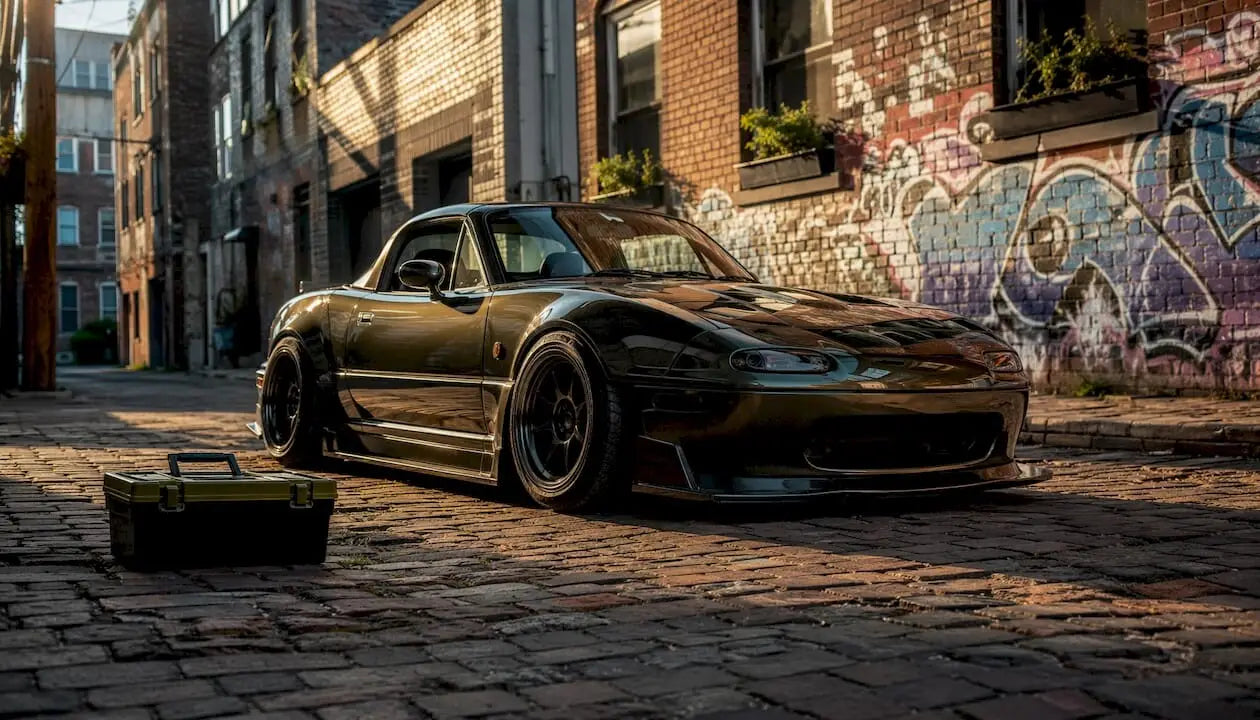
For most Miata owners, a chassis-specific carbon or fiberglass body kit from Undergrounddynamics is the best balance of fit, finish, and real-world installability. The kits are designed around specific chassis codes (NA, NB, NC, ND), so you’re not trimming and guessing. Pick your generation, decide between a full kit or individual components, and confirm the listed fitment before you order.
Fitment is everything with Miata aero. A kit built for the ND won’t mount cleanly on an NC, and a generic “universal” lip will cost you more in prep time than the part itself is worth. Chassis-specific design is the single biggest factor separating a clean install from a frustrating one.
The two reasons chassis-specific carbon and fiberglass kits lead the field: accurate fitment specs that reduce trimming, and paint-ready surfaces that work with any shop. Start by identifying your chassis, then decide whether you want a full wide-body conversion or a more modest lip-and-skirt setup.
Table of Contents
- What does a Mazda Miata body kit actually include?
- Materials compared: FRP, urethane, and carbon fiber
- Which kits fit each Miata generation?
- How much does a Miata body kit cost?
- How wide-body kits change your wheel fitment
- Installing a Miata body kit: DIY vs. professional
- What to check before you buy: a buying checklist
- Which vendors have the strongest reputation?
- What warranty and return terms should you expect?
- What do real buyers say about their kits?
- How body kits interact with suspension and wheel upgrades
- Street legality and registration considerations
- Key Takeaways
- Why chassis-specific kits are the only kits worth buying
- Undergrounddynamics carries the Miata kits worth ordering
- Useful sources and further reading
- FAQ
What does a Mazda Miata body kit actually include?
A “body kit” is a loose term that covers everything from a single chin lip to a full wide-body conversion. Knowing what’s in a kit before you order saves you from a parts-list surprise on delivery day.
Common components sold as part of a Miata exterior package:
- Front bumper or front lip — the most common standalone purchase; replaces or bolts under the OEM bumper
- Rear bumper or rear valance — often sold separately from the front; some kits include a diffuser as part of the rear assembly
- Side skirts — run along the rocker panels; usually sold as a pair
- Fender flares or wide-body fenders — the defining piece of a wide-body kit; replaces or bolts over the OEM fender
- Rear diffuser — a functional aero piece that mounts under the rear bumper
- Hood — vented or carbon hoods are popular upgrades, often sold outside the main kit
- Spoiler or wing — trunk-mounted or hatch-mounted; some ND kits include a GT wing
- Tonneau cover — less common but available for NA/NB roadster builds
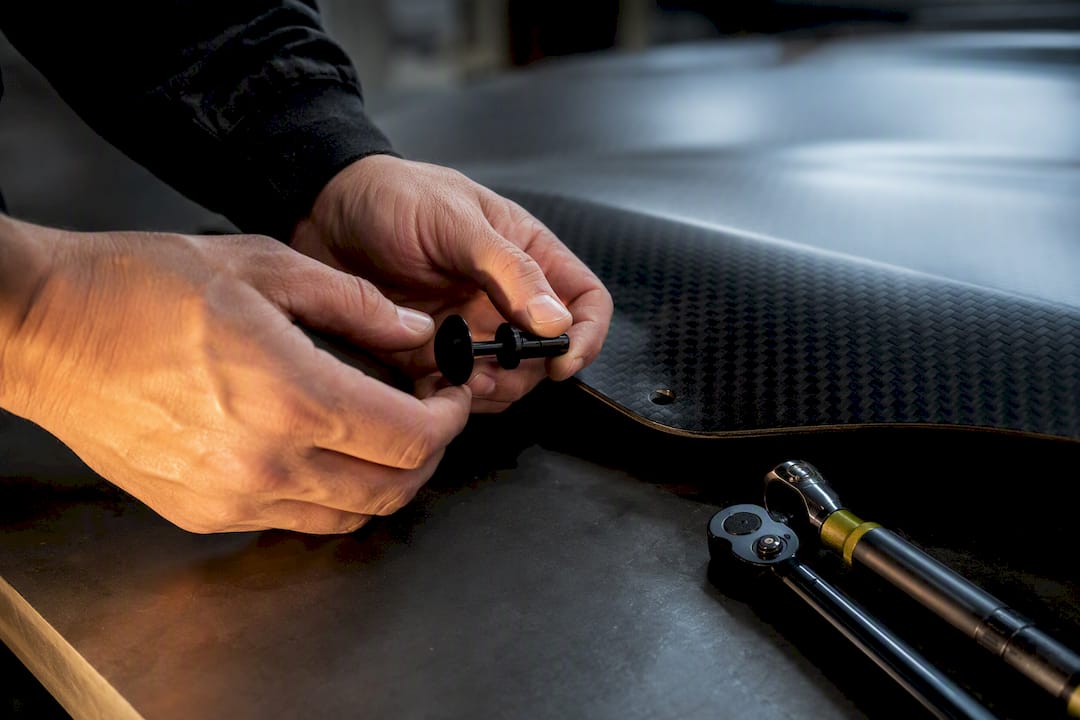
- Hardware and mounting hardware — quality kits include bolts, clips, and brackets; always confirm before ordering
Full kits bundle most of the above into one SKU. Modular purchases let you stage the build: front lip and skirts first, then fenders once you’ve sorted wheel fitment. A staged upgrade approach reduces upfront cost and lets you validate clearances before committing to a full wide-body conversion.
Materials compared: FRP, urethane, and carbon fiber
Material choice affects weight, cost, paint prep, and how the part survives a parking lot tap. There’s no universal right answer, but there is a right answer for your use case.

| Material | Weight | Cost | Paint Readiness | Impact Resistance | Best Use Case |
|---|---|---|---|---|---|
| FRP / Fiberglass | Light | Low–Mid | Needs prep; primer required | Moderate; cracks on hard impact | Track, show, or budget builds |
| Polyurethane (urethane) | Moderate | Low–Mid | Flexible; holds paint well | High; flexes rather than cracks | Daily driver, street use |
| Carbon fiber | Lightest | High | Clear-coat ready; minimal prep | Moderate; shatters under hard impact | Performance, show, weight savings |

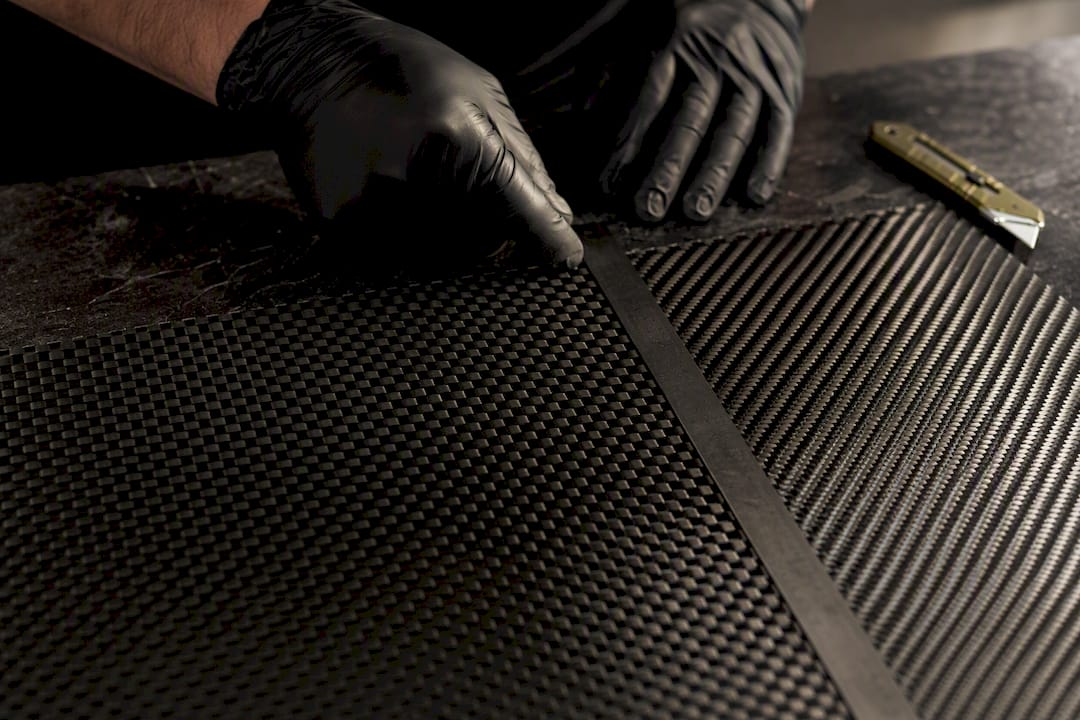
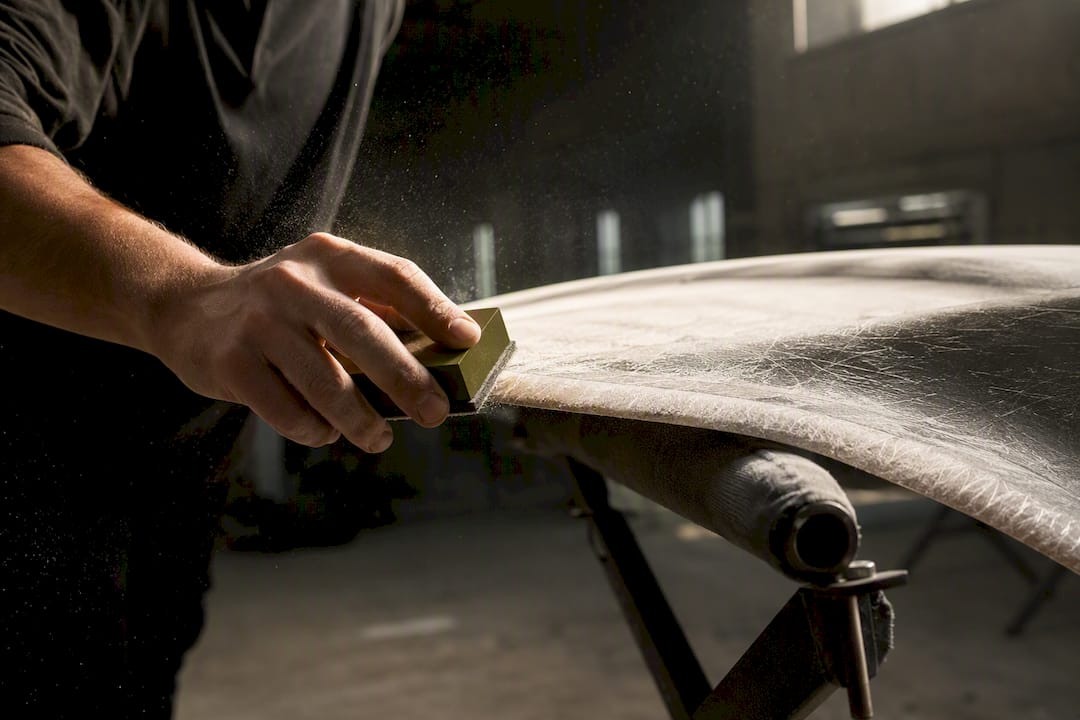
FRP (fiberglass-reinforced plastic) is the most common material for imported aero kits. Hand-laid fiberglass produces accurate, lightweight panels when done well, but surface quality varies by manufacturer. Treat every FRP panel as a paint-ready surface that still needs professional prep to avoid blistering or visible seams at the shop.
Polyurethane is the go-to for street-driven cars. Urethane kits for NB-era Miatas are marketed as virtually unbreakable, and many come with lifetime warranties. The trade-off is weight and the fact that urethane can sag or warp in extreme heat if not properly mounted.
Carbon fiber is the premium option. Panels are lighter than FRP and arrive with a cleaner surface, but the cost is significantly higher and carbon doesn’t absorb impacts the way urethane does. For a track-focused or show build where every pound matters, carbon is worth it. For a daily driver that sees parking lots and road debris, urethane or quality FRP makes more practical sense.
Which kits fit each Miata generation?
Miata chassis fitment is non-negotiable. The four generations share almost nothing dimensionally, and even within a generation, facelift years can change bumper mounting points.
| Chassis | Years | Common Kit Types | Fitment Notes |
|---|---|---|---|
| NA | 1990–1997 | Lip kits, full FRP kits, wide-body fenders | Early and late bumper mounts differ; confirm year |
| NB | 1999–2005 | Urethane full kits, lip kits, fender flares | NB1 vs NB2 fascia differences; check SKU |
| NC | 2006–2015 | FRP/carbon lips, side skirts, wide-body kits | NC1 vs NC2 front bumper differs; verify before ordering |
| ND | 2016+ | Wide-body aero kits, carbon lips, GT wings | Most active development; ND wide-body kits include front lips, wide fenders, diffusers |
The ND generation has the most kit options right now, driven by the Pandem/Rocket Bunny and GReddy-style wide-body trend. A full ND wide-body kit typically includes front lips, 40mm front and 80mm rear fender extensions per side, a diffuser, and sometimes a GT wing. NA and NB kits lean more toward lip-and-skirt configurations, though wide-body options exist for both.
Brands active across Miata generations include Aimgain (FRP wide-body kits for NC and ND), Auto Exe (subtle aero for ND), Craftech, Damd (ND-focused styling kits), TKYO, and Undergrounddynamics (carbon and fiberglass across multiple chassis). Always cross-reference the exact chassis code and model year against the seller’s SKU list before ordering.
How much does a Miata body kit cost?
Budget ranges vary widely depending on material, kit scope, and whether you’re buying from US stock or importing.
- Single lip or chin spoiler: $100–$300 for FRP or urethane; $200–$500 for carbon
- Partial kit (front lip + side skirts): $300–$700 FRP/urethane; $600–$1,200 carbon
- Full wide-body kit (FRP): $800–$1,800 depending on brand and included pieces
- Full wide-body kit (carbon): $1,500–$2,500+
- Paint: Add $500–$2,000+ depending on panel count and shop rates
- Import duties and shipping: FRP and carbon kits from Japan or Europe can add $200–$600 or more to the landed cost
Shipping and customs can more than double the delivery timeline for overseas orders. Factor in paint shop scheduling and hardware sourcing when you’re building your total budget. US-stocked kits ship faster and avoid import surprises, which is a real advantage when you’re working toward a build deadline.
How wide-body kits change your wheel fitment
This is where most first-time wide-body builds go sideways. Adding fender flares changes your track width, and if your wheels and suspension geometry don’t follow, you’ll get tire rub, poor camber behavior, or both.

Wide-body kits commonly add a moderate to significant increase in width per side, with front extensions typically smaller than rear. To fill that new fender width properly, you need lower-offset wheels or wheel spacers. Running your stock wheels under a wide-body kit leaves a gap that looks worse than stock.
Improper wheel offset and suspension geometry after a wide-body install creates handling issues that aren’t always obvious at low speed. At track pace, unpredictable camber behavior becomes a real safety concern.
Fitment checklist before you order wide-body fenders:
- Measure the added flange width (front and rear separately)
- Calculate the wheel offset change needed to achieve flush fitment
- Check suspension travel clearance at full compression
- Confirm inner fender clearance with your intended tire width
- Plan for a full alignment after installation
Pro Tip: Retailers that publish wheel offset recommendations and test-fit photos with their wide-body listings significantly reduce your risk of ordering the wrong wheel setup. If a seller can’t tell you the recommended offset for your chassis, that’s a red flag.
Pair your wide-body conversion with a suspension upgrade to dial in camber and ride height for the new track width. Coilovers or adjustable lowering springs let you set geometry correctly after the fenders go on.
Installing a Miata body kit: DIY vs. professional
A single lip or set of side skirts is a realistic DIY job for anyone comfortable with basic hand tools. A full wide-body conversion with paint is a multi-week professional project.
Typical installation sequence for any kit:
- Test-fit all panels before any cutting or drilling; mark gaps and interference points
- Trim and cut where required (wide-body fenders almost always need inner fender modification and body cutting)
- Seal inner fenders to prevent water intrusion behind new panels
- Install hardware per the kit’s hardware list; use thread-locking compound on structural fasteners
- Prime and paint all FRP or carbon panels before final installation; never mount unpainted FRP long-term
- Reassemble and align panels for consistent gaps
Timeline reality: a front lip swap takes a few hours in a driveway. A full wide-body kit with paint runs several days of shop time, often spread over one to three weeks depending on paint scheduling.
When to hire a pro: Any installation that requires cutting body metal, sealing structural inner fenders, or achieving show-quality panel gaps is worth paying a shop for. FRP kits ship unpainted and need professional prep to avoid blistering or seam visibility after paint. A bad paint job on a $1,500 kit costs more to fix than the original shop labor would have.
What to check before you buy: a buying checklist
Follow this sequence and you’ll avoid the most common ordering mistakes.
- Confirm chassis and year fitment — match your exact chassis code (NA/NB/NC/ND) and model year to the seller’s SKU list; vehicle-specific SKU lists significantly reduce ordering errors
- Request fitment photos — ask for installed photos on the same chassis, not just renders
- Confirm parts included — verify whether hardware, trim clips, and brackets are in the box or sold separately
- Ask about paint-readiness — FRP and carbon arrive unfinished; urethane is typically ready for paint without heavy prep
- Confirm lead time and shipping origin — US-stocked vs. overseas import changes your timeline by weeks
- Review the return policy — body panels are expensive to ship back; understand the terms before you order
- Ask for wheel offset recommendations — any reputable seller of wide-body kits should have this data for your chassis
Decision triggers: if you’re daily-driving the car, lean toward urethane or quality FRP with modest flares. If you’re building for track or show, carbon and wide-body FRP with proper wheel and suspension setup is the right direction.
Which vendors have the strongest reputation?
The Miata body kit market ranges from well-documented manufacturers to generic importers with no fitment data. Knowing who’s who saves you from a bad order.
Aimgain produces FRP wide-body kits for NC and ND Miatas with a strong reputation in the JDM aero community. Their GT Perfect Wide Body kits are known for clean panel lines and accurate fitment. Auto Exe focuses on subtle, OEM-plus aero for the ND, popular with owners who want improved looks without aggressive flares. Damd offers ND-specific styling kits with a distinctive aesthetic, well-regarded for fit quality. TKYO and Craftech serve the more aggressive wide-body market with FRP options across multiple generations.
Undergrounddynamics focuses specifically on carbon fiber and fiberglass kits with documented chassis fitment, sourced from established suppliers. The catalog includes detailed compatibility data so you can verify fit before checkout, which matters more than most buyers realize until they’re staring at a panel that doesn’t line up.
The common thread among reputable vendors: they publish explicit fitment tables, include hardware lists, and can answer technical questions about wheel offset and trimming requirements. Generic importers who can’t provide that data are a gamble.
What warranty and return terms should you expect?
Warranty coverage for body kits varies significantly by material and vendor.
Urethane kits from established brands like KBD often carry lifetime warranties against defects, reflecting the material’s durability. FRP and carbon kits typically carry shorter coverage, often 30–90 days against manufacturing defects, because the panels are more sensitive to installation and paint prep. Most vendors explicitly exclude damage from improper installation, cutting errors, or paint prep failures.
Return policies are the bigger practical concern. Body panels are large, fragile, and expensive to ship. Most vendors accept returns on unmodified, unpainted panels within 30 days, but once a panel is trimmed or painted, it’s yours. Read the return terms before you order, not after.
What do real buyers say about their kits?
Across Miata forums and build threads, the consistent pattern is this: buyers who verified fitment before ordering and used a professional painter report clean results. Buyers who skipped the test-fit step or tried to paint FRP without proper primer report adhesion failures and panel gaps.
Wide-body builds on the ND generation get the most community coverage right now. Pandem and GReddy-style kits are well-documented with install threads showing real-world fitment, wheel offset choices, and paint outcomes. NA and NB wide-body builds have a smaller but dedicated community, with Racing Beat’s Type III kit frequently cited as a benchmark for fit quality on older chassis.
The most common complaint across all kit types: hardware not included or incomplete. Confirm the hardware list with the seller before ordering.
How body kits interact with suspension and wheel upgrades
A body kit doesn’t exist in isolation. Wide-body fenders change your track width, which changes the optimal wheel offset, which changes how your suspension geometry behaves. These three systems need to be planned together.
For a wide-body build, coilovers or adjustable suspension let you set ride height and camber after the fenders are on. Running stock suspension under wide fenders typically produces poor camber angles and uneven tire wear. Wheel spacers can help achieve flush fitment, but they also change scrub radius, so keep spacer thickness reasonable and use hub-centric spacers.
For a lip-and-skirt build without fender flares, suspension interaction is simpler. Lowering the car on springs or coilovers improves the visual stance and can improve handling, but confirm that your chosen lip clears the ground at your target ride height before you order. A front lip that drags on every driveway entrance gets destroyed fast.
Pairing exterior upgrades with performance parts like brake line kits or a lightweight flywheel is common on track-focused builds where the body kit is part of a broader performance package, not just a styling change.
Street legality and registration considerations
Body kit modifications are legal in most U.S. states, but several specific rules apply depending on your state and the nature of the modification.
Fender flares that extend beyond the original body width must cover the tire tread in most states. If your wide-body fenders add 80mm per side but your tires don’t fill that width, some states require the flare to still cover the outermost point of the tire. California, for example, has specific vehicle code requirements around fender coverage of tires.
Front lips and diffusers that reduce ground clearance can create issues in states with minimum ground clearance rules, though enforcement is rare for street-driven cars. The more practical concern is that an extremely low front lip will fail a visual inspection in states with annual safety inspections.
Headlight and taillight visibility must not be obstructed by any added body panel. If a wide-body fender or bumper extension blocks any portion of a required lighting element, it’s a registration issue.
The safest approach: check your state’s vehicle modification statutes before ordering a wide-body kit, and consult a local shop familiar with your state’s inspection requirements. This article is general information, not legal advice. Confirm current rules with your state’s DMV or a qualified professional for your specific situation.
Key Takeaways
Chassis-specific carbon or fiberglass kits deliver the best combination of fit, finish, and installability for Miata owners across all four generations.
| Point | Details |
|---|---|
| Confirm chassis fitment first | Match your exact chassis code (NA/NB/NC/ND) and model year to the seller’s SKU before ordering. |
| Material drives cost and use case | FRP and carbon suit track and show builds; urethane is the practical choice for daily-driven street cars. |
| Wide-body requires wheel and suspension planning | Fender extensions of 40mm front and 80mm rear per side demand lower-offset wheels and a post-install alignment. |
| Installation complexity scales with kit scope | A single lip is a DIY afternoon; a full wide-body with paint is a multi-week professional project. |
| Undergrounddynamics for chassis-specific carbon and fiberglass | Undergrounddynamics carries documented carbon and fiberglass kits with fitment data for Miata chassis. |
Why chassis-specific kits are the only kits worth buying
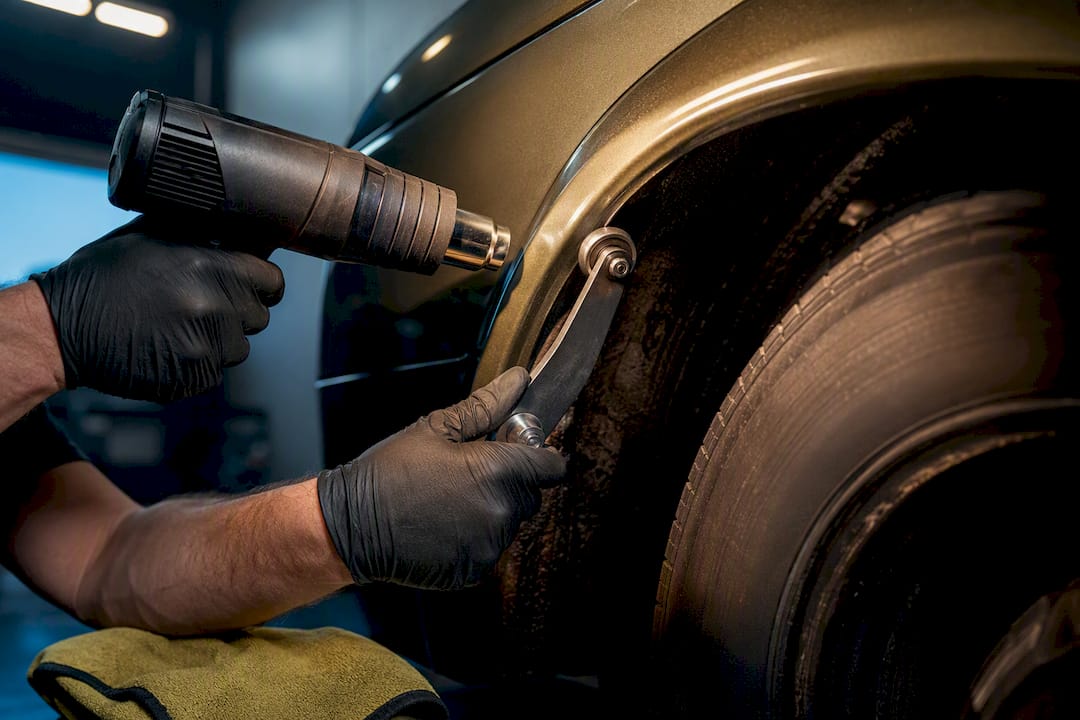
The Miata body kit market has a noise problem. There are hundreds of listings for “universal” lips and generic fender flares that technically bolt onto a Miata but never quite fit right. Panel gaps are inconsistent, mounting points don’t align cleanly, and you end up spending more time with a heat gun and body tape than you do actually driving the car.
Chassis-specific design isn’t a marketing term. It means the mounting points, flange widths, and panel radii were engineered for one specific car. On a Miata, where the body lines are tight and the proportions are precise, a kit that’s off by even a few millimeters shows. The car has been in production since 1990 across four distinct generations, and the dimensional differences between them are significant enough that cross-generation fitment is almost never clean.
The other thing worth saying plainly: well-proportioned kits retain drivability and reduce negative handling effects. Extreme wide-body conversions look great in photos but can compromise the Miata’s core strength, which is balance. For most owners, a modest flare with proper wheel fitment and a good suspension setup will outperform an aggressive conversion that was never dialed in correctly.
Buy for the build you’re actually doing, not the one that looks best on Instagram.
Undergrounddynamics carries the Miata kits worth ordering
If you’ve read this far, you know what separates a clean build from a frustrating one: chassis-specific fitment, documented materials, and a seller who can answer technical questions before you commit.
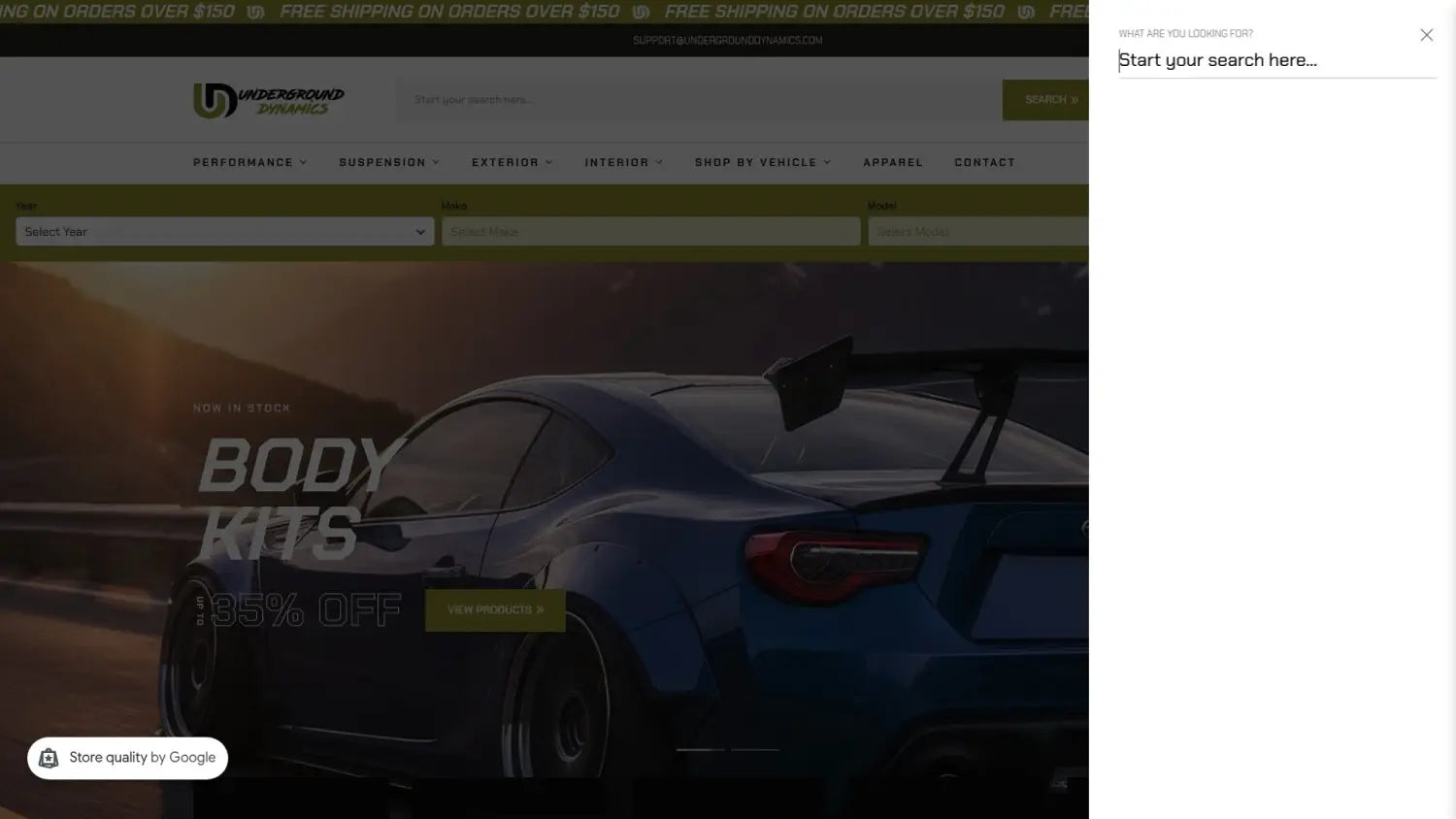
Undergrounddynamics carries carbon fiber and fiberglass body kits built around specific Miata chassis codes, with fitment data published at the product level so you can verify compatibility before checkout. The catalog also includes suspension upgrades like coilovers and lowering springs, which you’ll need to dial in geometry after a wide-body conversion. Direct-to-consumer pricing means you’re not paying a distributor markup, and the fitment detail means fewer returns and fewer surprises on install day. Browse the full Miata catalog at Undergrounddynamics and confirm your chassis fitment before you order.
Useful sources and further reading
- Body Kits | Carbon Fiber & Fiberglass Aero | Underground Dynamics — primary catalog page with chassis-specific fitment data and carbon/fiberglass options for Miata builds
- Pandem V1.0 Mazda ND MX-5 Miata + GT Wing | Rocket Bunny Pandem — official fitment page for the ND Pandem wide-body kit; includes component list, fender extension specs, and installation notes
- Miata TYPE III Body Kit | Racing Beat — chassis-specific FRP kit with detailed fitment notes; useful reference for NA/NB generation builds
- 1999–2005 Mazda Miata Body Kits | KBD Body Kits — NB-era urethane kit options with warranty information and fitment tables
- GReddy Rocket Bunny Wide-Body Aero Kit for Mazda Miata 2016 | WheelFlip — ND full wide-body kit listing with included components and shipping/import context
Always cross-reference the chassis code and model year against the seller’s explicit fitment list before placing an order. A five-minute fitment check prevents a two-week return process.
FAQ
What’s the best Mazda Miata body kit for a daily driver?
A urethane lip-and-skirt kit or a modest FRP setup with no fender cutting is the most practical choice for daily use. Urethane flexes on impact rather than cracking, and a bolt-on configuration avoids the wheel offset and suspension changes that wide-body conversions require.
How much horsepower can you get out of a Miata?
Body kit modifications don’t directly add power, but pairing aero with suspension and drivetrain upgrades is common on performance-focused builds.
Are Miata body kits street legal in the U.S.?
Most bolt-on kits are street legal, but wide-body fenders must cover the tire tread per most state vehicle codes, and front lips cannot obstruct required lighting. Check your specific state’s vehicle modification statutes before ordering a wide-body kit.
How do I know if a body kit fits my specific Miata year?
Look for sellers who publish explicit vehicle-specific SKU lists by chassis code and model year. NA (1990–1997), NB (1999–2005), NC (2006–2015), and ND (2016+) are the four chassis generations, and facelift years within each generation can affect bumper mounting points.
Does Undergrounddynamics carry Miata-specific body kits?
Yes. Undergrounddynamics stocks chassis-specific carbon fiber and fiberglass body kits for Miata builds, with fitment data published at the product level. The catalog also includes suspension and brake parts commonly needed alongside a wide-body conversion.
Recommended
- Why Carbon Parts Suit Miata Weight Goals in 2026 – Underground Dynamics
- ISR Performance Brake Line Kit - 06-13 Mazda Miata (4 Line Kit) – Underground Dynamics
- ISR Performance Brake Line Kit - 01-05 Mazda Miata (Sport Suspension 4 – Underground Dynamics
- ISR Performance Brake Line Kit - 89-05 Mazda Miata (Standard Suspensio – Underground Dynamics