FREE SHIPPING ON ORDERS OVER $150

Cart
0
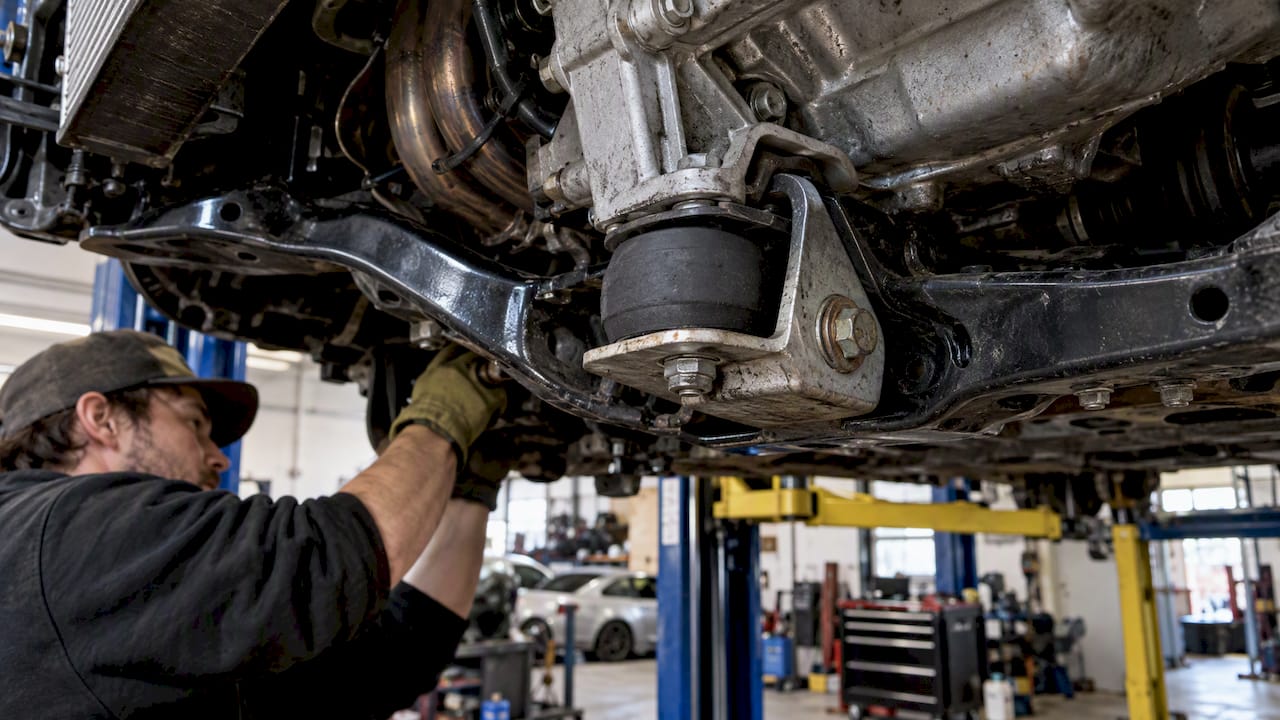
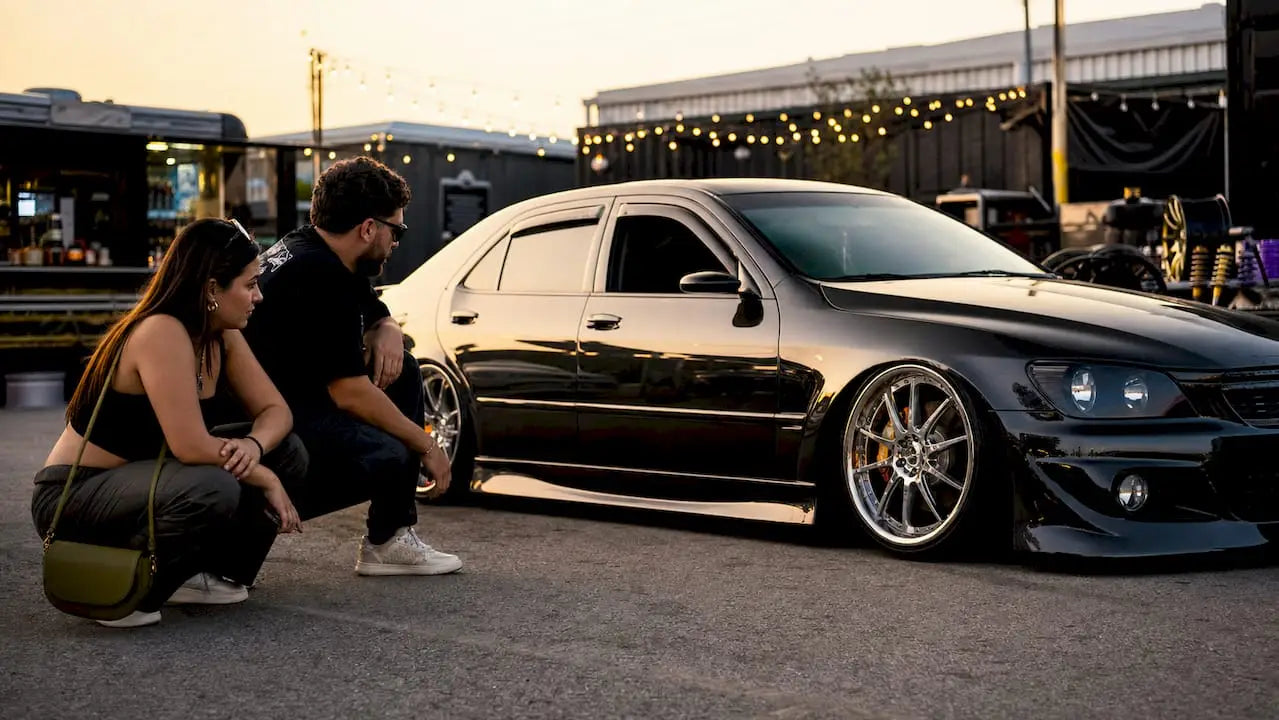
Air suspension is defined as a system that replaces conventional coil springs with pneumatic air bags, giving you on-demand control over ride height at the push of a button. That single capability is exactly why air suspension suits show builds better than any static setup. A “bagged” car can sit slammed to the frame at a show, then rise to a drivable height for the trip home, all without touching a wrench. Undergrounddynamics stocks suspension upgrades built around this exact balance of form and function, because serious show builders need both.
Why air suspension suits show builds better than static setups
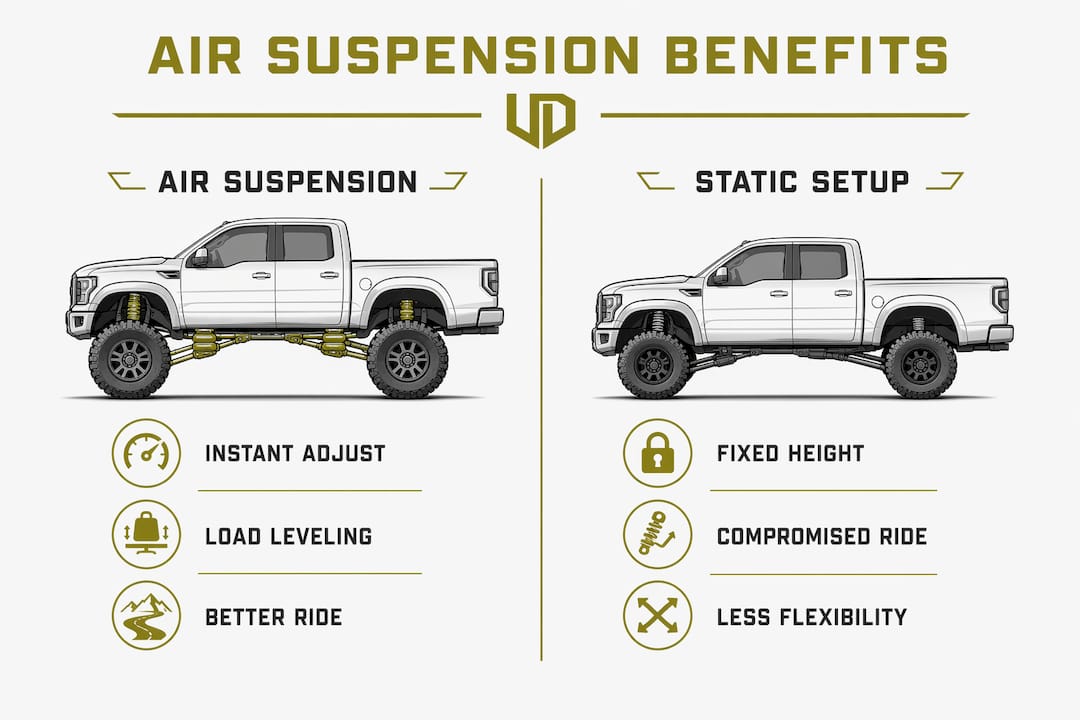
The core advantage is instant height adjustment, something no coilover or lowering spring can match. Coilovers require you to jack the car, loosen collars, and re-torque before you move an inch. Air suspension adjusts in seconds using a smartphone app or a digital controller. That speed matters at a show, where you want the car slammed for judging and raised before you pull out of the lot.
Static setups force a compromise. You pick one ride height and live with it. Air suspension removes that compromise entirely. You get the show stance when it counts and the clearance you need when it doesn’t. That flexibility is why air ride for automotive builds has grown from a niche trick to a mainstream choice among serious enthusiasts.
The industry term for this technology is “active ride height management,” though most builders just call it “bagged.” Both terms describe the same pneumatic system. Understanding the distinction helps when you are sourcing components or reading fitment specs.
How air suspension components support show car goals
A complete air suspension system has five core parts working together.
- Air bags (air springs): Replace coil springs at each corner. Reinforced rubber construction handles high pressure and repeated cycling.
- Compressor(s): Pump air into the system. Dual compressors fill the tank faster and reduce wait time between adjustments.
- Air tank: Stores compressed air so the system responds instantly without waiting for the compressor to catch up.
- Valve manifold: Controls airflow to each corner independently. Large 1/2-inch valves are the standard for fast air-up and air-down speeds at shows.
- Management system: The brain of the setup. Modern units connect to smartphone apps, store height presets, and let you adjust individual corners on the fly.
The management system is where show builds live or die. A basic analog controller works, but a digital system with preset memory means you can recall your exact show height with one tap. That repeatability is what separates a polished show car from a car that just happens to be low.
Pro Tip: Choose a management system that stores at least three height presets. One for show stance, one for daily driving, and one for speed bumps. That third preset saves your splitter more than you think.
Dual compressors paired with a large-volume tank are the combination that enables fastest stance changes at events. Single-compressor setups work, but they are slower and work harder under repeated cycling.
What performance benefits do air suspension systems deliver?
Air suspension improves more than looks. Dynamic corner control and air pressure tuning provide ride quality that slammed coilovers simply cannot match. A coilover at show height transmits every crack in the pavement directly to the chassis. An air bag at the same height still has compliance built in, because you control the pressure, not just the position.
Load leveling is a real-world benefit that gets overlooked. If you carry gear to shows, haul parts, or tow a trailer occasionally, air suspension automatically compensates for added weight. The car stays level instead of squatting at the rear. That is a functional advantage no static spring delivers.
Here is how air suspension compares to a coil spring setup across the metrics that matter most to show builders:
| Metric | Air suspension | Coil spring setup |
|---|---|---|
| Ride height adjustability | Full range, on demand | Fixed at install |
| Ride comfort at low stance | Good, pressure tunable | Harsh, spring-rate dependent |
| Load leveling | Yes, automatic | No |
| Adjustment speed | Seconds | Minutes to hours |
| Maintenance complexity | Moderate | Low |
| Entry cost | $500–$2,500+ | $300–$1,500 |
Pro Tip: Tune your air pressure lower for highway cruising and higher for canyon runs. Air pressure controls firmness the same way spring rate does on a coilover, but you can change it while sitting in the driver’s seat.
Air suspension also reduces mechanical stress on chassis components compared to a static low setup. A slammed coilover constantly fights bump stops and limits suspension travel. An air bag at show height still has travel available, which protects control arms, tie rods, and subframe bushings over time.
What customization options does air suspension unlock?
The ability to drop a car to frame level instantly and raise it just as fast is the headline feature, but the customization depth goes further than that. Independent corner control lets you compensate for uneven terrain, dial in a specific rake, or create a dramatic nose-down presentation for photos. That level of control is impossible with any static setup.
Popular platforms with strong aftermarket air suspension support include the Honda Civic, VW Golf, BMW 3 Series, and Nissan 240SX. Each of these has chassis-specific kits available that address factory mounting points and geometry. Fitment matters more with air suspension than with coilovers, because the bag needs room to compress fully without contacting the fender liner or control arm.
Here are the customization possibilities air suspension opens up for show builds:
- Frame-scraping show stance on demand, raised instantly for departure
- Independent corner height for custom rake and terrain compensation
- Saved height presets for consistent, repeatable show positioning
- Wheel fitment flexibility because you can run aggressive offsets at show height without rubbing at drive height
- Dynamic presentation during show walkarounds, dropping the car live in front of judges
- Aerodynamic adjustment by lowering at speed to reduce lift on performance-oriented builds
The one tradeoff you plan around is space. The tank and dual compressors take up considerable trunk space. That means pre-planning your mounting location before you buy. Many builders fabricate a dedicated enclosure in the trunk or under the cargo floor. It is not a dealbreaker, but it is a real constraint on daily-driven show cars.
Pairing your air suspension with the right wheels amplifies the visual impact. A show car wheel guide covers how wheel sizing and offset interact with stance, which is directly relevant once you have adjustable ride height dialed in.
What installation challenges should you expect?
Budget and timeline vary more with air suspension than with any other suspension upgrade. Kits range from $500 for basic setups to $2,500 or more for premium systems with advanced management. Installation time runs from about one hour for simple bolt-on kits to several days for full custom builds targeting the lowest possible stance.
Achieving the lowest stance almost always requires fabrication beyond what bolt-on claims suggest. Fender liner modifications, chassis notching, and custom bracket work are common on builds targeting frame-scraping heights. Factor that into your budget before you order.
Common pitfalls to avoid during installation:
- Skipping a pre-install mock-up. Test fit the bag at full compression before welding any brackets.
- Undersizing the air line. Smaller diameter lines slow fill and dump times noticeably.
- Ignoring compressor heat. Mount compressors with airflow clearance or they overheat under repeated cycling.
- Poor tank placement. A tank mounted without vibration isolation transmits noise into the cabin.
- Neglecting leak testing. Pressurize the system fully and check every fitting before the car moves.
Pro Tip: Run a dedicated fused power circuit directly from the battery to your compressors. Sharing a circuit with other accessories causes voltage drops that slow fill times and shorten compressor life.
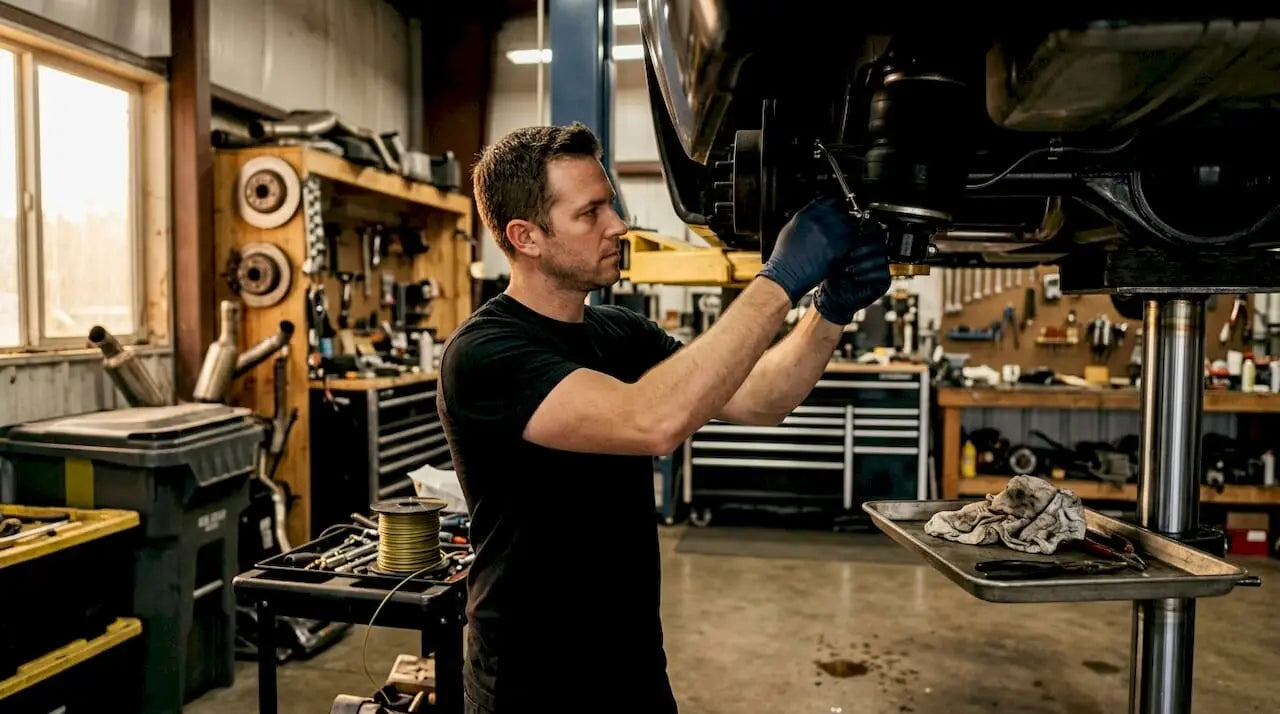
Professional installation is worth the cost on deep-lowering builds. A shop with air suspension experience spots fitment conflicts before they become expensive problems. For a straightforward bolt-on kit on a supported platform, a skilled DIY builder can handle it with the right suspension tuning checklist and patience.
For a deeper look at how air suspension compares to coilovers and lowering springs across different build goals, the types of car suspension upgrades guide breaks it down clearly.
Key Takeaways
Air suspension suits show builds because it delivers adjustable ride height on demand, combining show-stopping stance with real-world drivability that no static setup can replicate.
| Point | Details |
|---|---|
| Instant height adjustment | Air suspension switches from slammed to drivable in seconds, no tools required. |
| Component selection matters | Large 1/2-inch valves and dual compressors are the standard for fast stance changes at events. |
| Performance beyond looks | Load leveling, tunable ride firmness, and reduced chassis stress are real functional gains. |
| Plan for space | Tank and dual compressor placement must be decided before purchase on daily-driven builds. |
| Budget realistically | Full custom installs targeting lowest stance run $2,500 or more including fabrication work. |
Air suspension is the only setup I recommend for serious show builds
I have watched builders spend serious money on coilovers chasing a show stance, only to spend the whole event worrying about speed bumps in the parking lot. Air suspension solves that problem completely. You get the slam when it counts and the clearance when you need it. That is not a luxury. That is the whole point of a show build that also gets driven.
The technology has matured significantly. Modern air bags are built from reinforced rubber that handles high pressure and repeated cycling reliably. Modern systems are as reliable as coilovers when properly maintained. The fear of leaks and failures that used to follow air suspension around is mostly outdated, provided you buy quality components and keep up with basic servicing.
What I tell every builder who asks: spend your money on the management system first. A great management system with a mediocre bag setup beats a great bag setup with a basic controller every time. Preset memory, independent corner control, and fast valve response are what make the difference at a show. The bag just holds the air.
The builders who get the most out of air suspension are the ones who plan the install before they buy anything. Know where your tank goes. Know where your compressors mount. Know your fender clearance at full compression. Do that work on paper first and the actual install goes smoothly. Skip it and you are fabricating solutions under the car with the event two weeks away.
Air suspension is not the easiest path to a show build. But it is the right one.
— Ismael
Undergrounddynamics has the suspension upgrades your show build needs
Undergrounddynamics carries a focused catalog of suspension upgrades built for enthusiast builds, not grocery-getters. If you are serious about air suspension for a show car, the right starting point is a kit matched to your chassis with real fitment specs, not guesswork.

Browse the full air suspension and coilover catalog at Undergrounddynamics to find kits priced from entry-level to premium, with the technical detail you need to buy with confidence. The performance parts section covers complementary upgrades that work alongside your suspension build. If you want to understand the full system before you buy, the complete air suspension guide on the Undergrounddynamics blog walks through every component in plain language.
FAQ
What is air suspension on a show car?
Air suspension replaces coil springs with pneumatic air bags, letting you adjust ride height on demand using a controller or smartphone app. Show builders use it to achieve a slammed stance at events and raise the car for daily driving.
How much does a show car air suspension kit cost?
Kits range from $500 for basic setups to $2,500 or more for premium systems with advanced management and fast-flow valves. Full custom installs targeting the lowest stance add fabrication costs on top of the kit price.
Is air suspension reliable for daily-driven show cars?
Modern air bags are built from reinforced rubber and handle repeated pressure cycling reliably. With proper maintenance, air suspension systems perform as dependably as coilovers over the long term.
What components do I need for the fastest stance changes at shows?
Large 1/2-inch valves, dual compressors, and a large-volume air tank are the combination that delivers the fastest air-up and air-down times. A digital management system with preset memory makes stance changes repeatable and instant.
Does air suspension affect wheel fitment on show builds?
Yes, and in a useful way. Adjustable ride height lets you run aggressive wheel offsets at show height without rubbing at drive height. You get the fitment that looks right at the show without the clearance problems on the road.