FREE SHIPPING ON ORDERS OVER $150

Cart
0
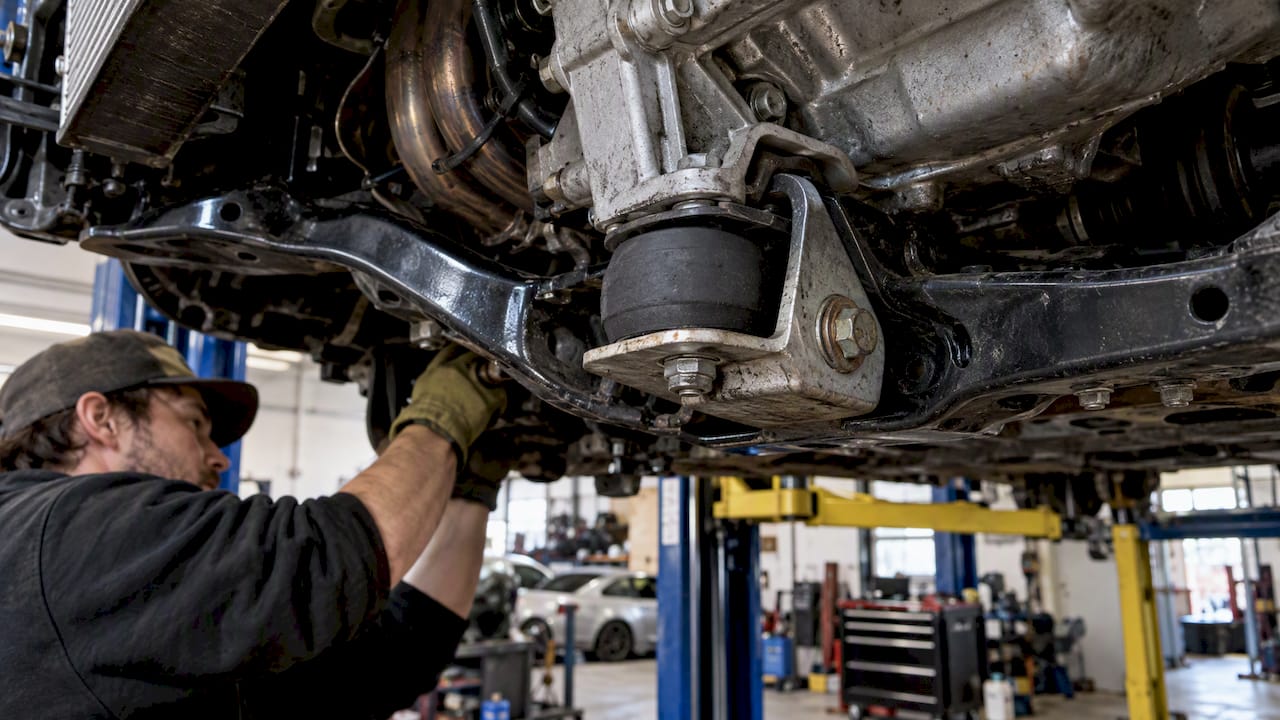
The main types of Supra suspension upgrades for the A90 break down into five categories, each targeting a different performance gap:
- Lowering springs reduce center of gravity and body roll with minimal complexity, typically costing several hundred dollars installed
- Coilovers offer adjustable ride height and damping for street or track tuning, ranging from around eight hundred to several thousand dollars
- Sway bars cut body roll and tune front/rear balance, usually a few hundred dollars per axle
- Control arms and links correct geometry, add stiffness, and eliminate wheel hop, from a few hundred to over a thousand dollars depending on the kit
- Camber plates and alignment aids fine-tune tire contact and cornering grip, typically a few hundred dollars
Each upgrade type delivers a distinct handling benefit. Costs and installation complexity scale with how deep you go.
Types of Supra suspension upgrades explained
Lowering springs
Lowering springs are the most accessible entry point for upgrading Supra suspension. They drop the car a moderate amount, lowering the center of gravity and reducing body roll without replacing the factory dampers. The Eibach Pro-Kit is the most commonly recommended option for the A90 Supra, specifically engineered to lower center of gravity while maintaining OEM-like drivability when aligned properly. One real tradeoff: running springs on stock adaptive dampers often produces an oversprung feel, where the car bounces or rebounds on turn-in rather than settling cleanly.
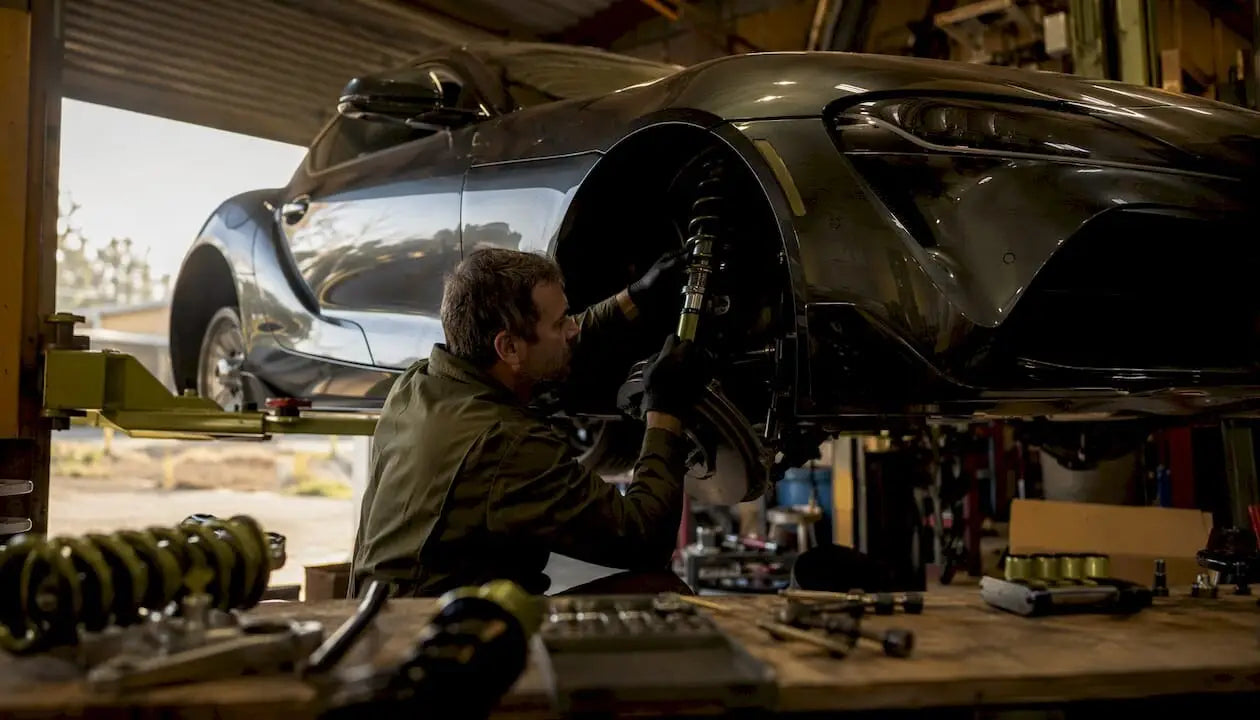
Coilovers
Coilovers replace the entire spring and damper assembly, giving you independent control over ride height and damping force. For the A90, popular coilover options include KW, HKS Hipermax, and MSS, each offering adjustable firmness and height. The HKS Hipermax kit uses multiple-step damping adjustment front and rear, inverted front struts for added stiffness at lowered heights, and spherical upper mounts for camber adjustability. Coilovers cost more and require a proper corner balance and alignment after installation, but the handling consistency they deliver over springs alone is a significant improvement.
Sway bars
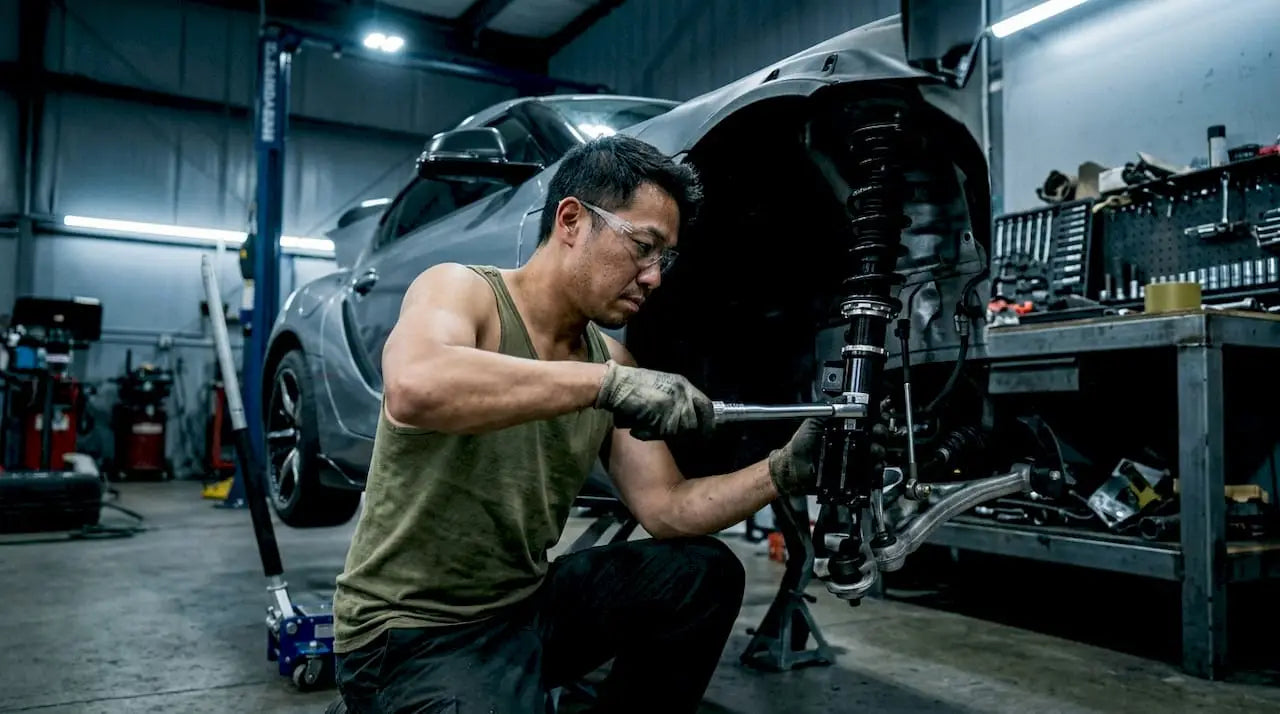
A sway bar upgrade is one of the highest-value modifications you can make for street driving. Stiffer bars reduce body roll by mechanically linking left and right suspension travel, allowing tuning of understeer or oversteer balance by adjusting front and rear stiffness independently. The Whiteline kit for the A90 and the Eibach Anti-Roll Kit are both solid options, with Eibach’s bars made from hi-tensile steel alloy and finished with greasable urethane bushings. One caveat: going too stiff on rough roads reduces grip and adds noise and vibration, so match bar stiffness to your actual road conditions.
Control arms and link upgrades
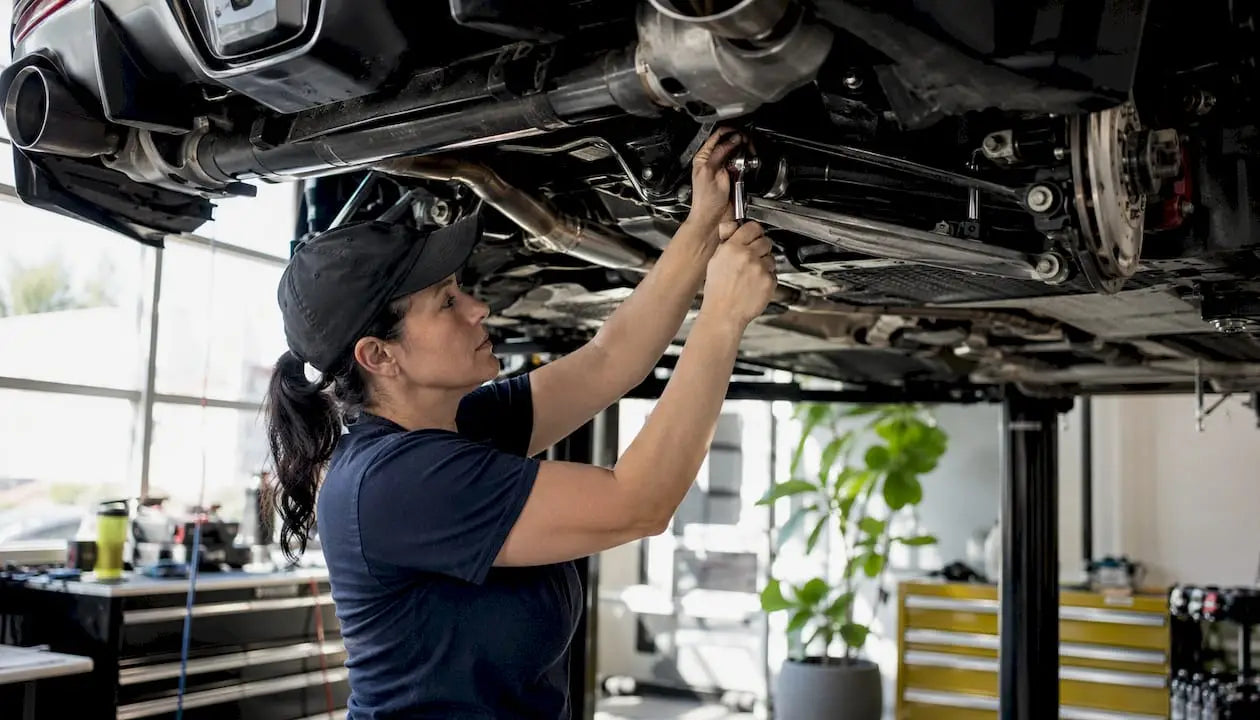
Control arm and link upgrades address geometry precision rather than spring or damping rates. SPL Parts makes adjustable end links and control arms specifically for the A90 that remove rubber bushing compliance and allow precise geometry correction. The tradeoff is real: SPL-style spherical bearing components tend to wear faster on the street, increase noise and vibration, and require periodic maintenance. They make sense for track-focused builds or owners who have already maxed out springs and sway bars. For street use, CTS Turbo and similar brands offer stiffer OEM-style replacement arms that split the difference between compliance and precision.
Camber plates and alignment aids
When you lower the A90, factory camber settings shift and can lead to accelerated tire wear on the outer edges. Adjustable camber plates at the front strut top mount let you dial in negative camber to restore the tire contact patch and improve cornering grip. The HKS Hipermax kit includes adjustment-type pillow upper mounts for this reason. Wisefab and Millway also produce front camber plate solutions for the A90 that allow more aggressive alignment settings for track use. Without correcting alignment after any ride height change, you’re leaving handling on the table and burning through tires.
Air suspension
Air suspension is worth mentioning for Supra owners who prioritize ride height flexibility over outright track performance. Air Lift produces bolt-on air suspension kits that allow near-infinite height adjustment and are strong enough for light track use. The ride quality on air tends to be more compliant than stiff coilovers, making it a practical choice for daily-driven builds. It’s not the go-to for serious lap times, but for a street car that also needs to clear speed bumps or look right at a show, it’s a functional option.
Pro Tip: When choosing between sway bars and coilovers as your next upgrade, consider your roads first. On rough pavement, stiffer sway bars can actually reduce grip by keeping both wheels from moving independently. Coilovers with proper damping adjustment handle surface variation better.
How the factory A90 suspension affects your upgrade choices
The 2020+ Supra A90 uses a five-link rear multi-link suspension with two upper links, a lateral lower control arm, a forward lower link, and a toe link. That toe link is longer than the lower control arm and positioned higher and farther back, which creates dynamic toe-in on the outside rear tire during cornering. The result is passive oversteer resistance built into the geometry itself. Changing rear link lengths or positions without understanding this can undo that stability.
The front suspension uses a strut-type setup with extensive aluminum components, contributing to a balanced weight distribution. The factory electronically controlled Monroe CVSAe dampers adjust damping continuously based on inputs from height sensors, steering angle, and three g-sensors. When you swap those dampers for coilovers, the ECU detects the missing active damping signal and throws a fault code. An error canceller module is required to prevent that warning light, and skipping it is one of the most common oversights in A90 coilover installs.
Pro Tip: Don’t assume stiffer springs alone fix handling. Stiffer springs without matched damping often make body motion worse, not better. Damper tuning controls transition stability; spring rate only sets the load threshold.
How popular US-market brands compare for the A90
| Brand | Upgrade type | Best use | Adjustability | Approx. cost |
|---|---|---|---|---|
| Eibach | Lowering springs, sway bars | Street | None (springs); front/rear (bars) | several hundred dollars |
| HKS Hipermax | Coilovers | Street and track | adjustable firmness and height | $100 to $2,500 |
| KW | Coilovers | Street and track | Height and damping | over a thousand dollars |
| Whiteline | Sway bars | Street | Front/rear stiffness | a few hundred dollars |
| SPL Parts | End links, control arms | Track | Fully adjustable geometry | $300–$1,200 |
| Wisefab | Camber plates, arms | Track | Camber, caster | a few hundred dollars |
| Millway | Camber plates | Street and track | Camber | a few hundred dollars |
| AST Suspension | Coilovers | Street and track | Height and damping | several thousand dollars |
| Air Lift | Air suspension | Street and show | Infinite height | several hundred to several thousand dollars |
| CTS Turbo | Sway bars, links | Street | Adjustable end links | a few hundred dollars |
For street-focused builds, a phased approach starting with springs and sway bars delivers the best handling return per dollar. Coilovers and SPL components make more sense once you’ve identified specific handling gaps that springs and bars can’t solve.
Street vs. track: which setup actually fits your Supra
Street and track suspension setups for the A90 differ in three fundamental ways: spring rate, damping stiffness, and bushing type.
A street setup prioritizes compliance and durability. Eibach Pro-Kit springs with a Whiteline or Eibach sway bar kit, paired with factory or KW DDC coilovers, gives you sharper response without punishing every road imperfection. Alignment should target moderate negative camber (around 1.5–2.2 degrees front) with slight rear toe-in for high-speed stability. SPL spherical bushings are generally too harsh and maintenance-intensive for daily street use.
Track setups flip those priorities. Higher spring rates, stiffer damping, and spherical bearing control arms from SPL Parts or Wisefab let you push the car to its limits repeatedly without geometry shifting under load. The suspension should be upgraded before or alongside engine power increases to keep the car controllable at higher output levels. A corner balance after every significant setup change is non-negotiable at the track. Air suspension is not suited for serious track use given its compliance characteristics under lateral load.
The practical answer for most A90 owners: start with springs and sway bars, get a proper alignment, and drive the car before spending on coilovers. You’ll know exactly what’s missing after some seat time.
Undergrounddynamics has the suspension parts your Supra actually needs
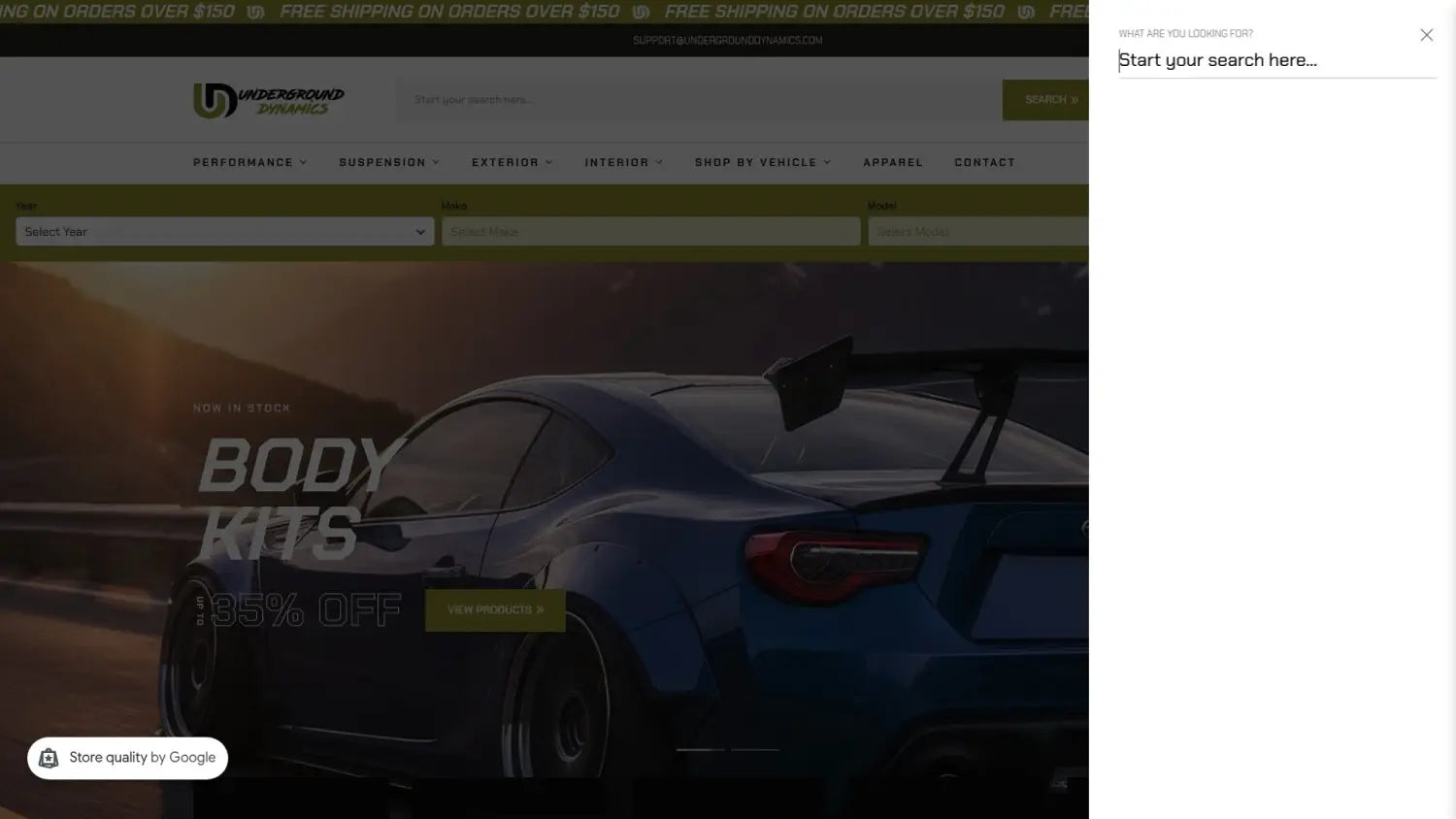
Undergrounddynamics carries a focused catalog of Supra suspension upgrades built around real fitment specs and functional performance, not filler inventory. Whether you’re starting with lowering springs and sway bars or ready to step into a full coilover setup, every part listed comes with the technical detail you need to buy with confidence. No guessing on compatibility, no vague product descriptions.
The performance parts catalog covers the full range from entry-level street upgrades to track-ready components, priced from $1,000 to $2,500. If you know what you need, it’s there. If you’re still figuring out your build sequence, the fitment specs and product notes will help you make the call.
FAQ
What kind of suspension does the Supra A90 have?
The 2020+ Toyota GR Supra uses a five-link multi-link rear suspension with electronically controlled Monroe CVSAe dampers and a strut-type front suspension with aluminum components for a 50/50 weight balance.
What are the best coilovers for the MK5 Supra?
KW and HKS Hipermax are the most consistently recommended coilover options for the A90, offering adjustable height and damping for both street and track use. AST Suspension is another strong choice in the same price range.
Do I need an error canceller when installing coilovers on the A90?
Yes. Replacing the factory adaptive dampers with coilovers requires an error canceller module to prevent ECU fault codes caused by the missing electronic damping signal.
What should I upgrade first on my Supra’s suspension?
For street use, lowering springs paired with a sway bar kit deliver the best handling improvement per dollar as a first phase. Coilovers and geometry correction arms make more sense as a second step once you’ve identified specific handling gaps.
What is the best suspension upgrade for track use?
A full coilover setup with spherical upper mounts, adjustable control arms from SPL Parts or Wisefab, and a proper corner balance gives the most consistent track performance. Camber plates are also worth adding when running aggressive alignment settings.
Key Takeaways
Coilovers with matched damping tuning deliver the most comprehensive suspension improvement for the A90, but springs and sway bars remain the most cost-effective starting point for street-driven Supras.
| Point | Details |
|---|---|
| Start with springs and sway bars | Eibach and Whiteline kits offer the best handling return per dollar for street use. |
| Coilovers require error canceller | Replacing factory Monroe CVSAe dampers triggers ECU faults without an error canceller module. |
| Factory geometry matters | The A90’s five-link rear creates passive toe-in for oversteer resistance; changing links without understanding this can reduce stability. |
| Match damping to spring rate | Stiffer springs without proper damper tuning cause oversprung body motion, not better handling. |
| Undergrounddynamics suspension catalog | Carries coilovers, lowering springs, and sway bars with real fitment specs for Supra owners. |