FREE SHIPPING ON ORDERS OVER $150

Cart
0
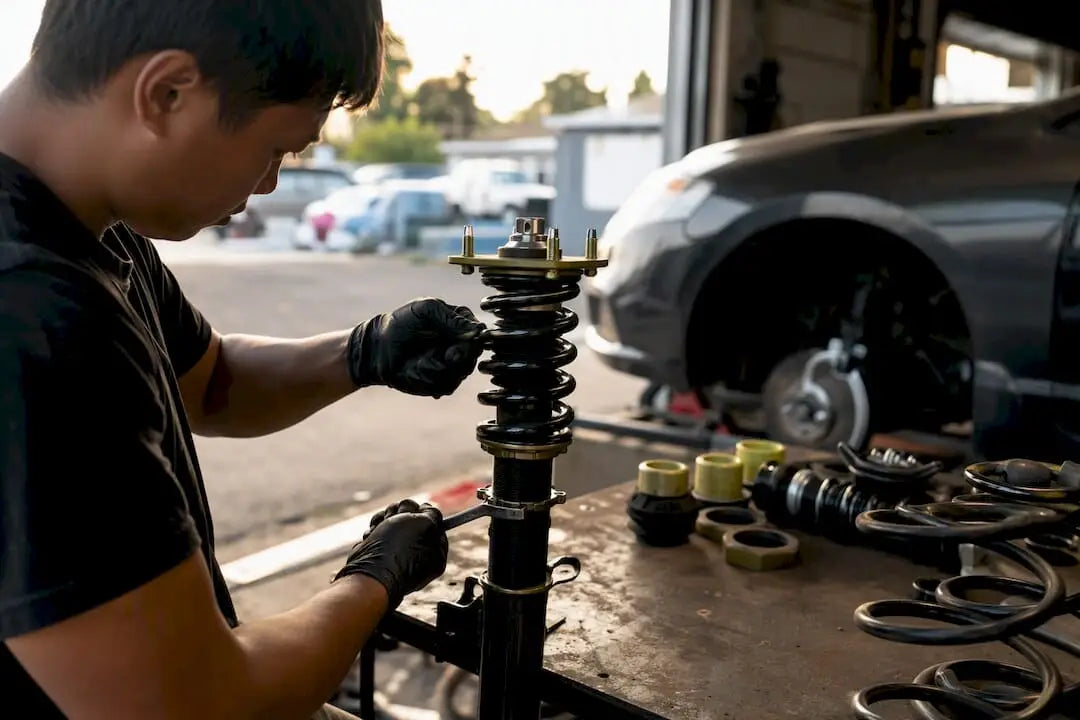
Tires, brakes, suspension, storage, and a modest drivetrain tune deliver the biggest weekend payoff without wrecking your commute. Tires and brakes buy grip and confidence you’ll feel every single drive, not just at the track. Suspension tuned for dual-purpose use sharpens cornering without beating up your spine on the highway. Storage and organization make weekend trips actually happen instead of staying a Saturday-morning fantasy, and a mild tune wakes up throttle response without touching reliability. Underground Dynamics builds its suspension and aero catalog around this exact split, with fitment data that respects both your commute and your GVM limits, while sites like Fueleconomy remind you that every upgrade has a fuel-economy cost worth weighing.
- Tires — the single highest-return upgrade for grip and ride quality
- Brakes — pads, rotors, and lines that build confidence on twisty roads
- Suspension — coilovers or springs tuned for comfort and corner speed
- Storage/organization — turns “someday” trips into actual weekend habits
- Light drivetrain tuning — sharper throttle response without reliability risk
Key Takeaways
Upgrading a daily driver for weekend use works best when tires, brakes, and suspension are addressed first, with storage and mild tuning layered in afterward.
| Point | Details |
|---|---|
| Start with tires | Tires give the highest return on grip and comfort of any single upgrade, often before touching the engine. |
| Sequence by install complexity | Do tires, a hitch, and storage on a weekend; save brakes and suspension for a shop appointment. |
| Choose moderate suspension rates | Coilovers or touring dampers with fast-road spring rates preserve highway comfort better than race-spec parts. |
| Always realign after changes | A full four-wheel alignment and a 500 to 1,000-mile recheck prevent uneven tire wear after suspension work. |
| Match parts to your chassis | Underground Dynamics’ fitment-specific coilovers, lowering springs, and aero parts help avoid guesswork on clearance and offset. |
Table of Contents
- Your Prioritized Plan for Upgrading a Daily Driver for Weekends
- Why Tires and Wheels Are the Foundation for Weekend Driving
- Do You Need Brake Upgrades for Weekend Driving?
- Which Suspension Upgrades Balance Comfort and Cornering?
- Engine and Drivetrain Changes That Don’t Sacrifice Reliability
- Interior and Storage Upgrades That Make Weekends Happen
- What Should You Budget for a Dual-Purpose Build?
- Mods to Avoid on a Daily-Weekend Build
- How Do You Choose Parts That Fit Both Roles?
- Managing Noise, Vibration, and Harshness After Upgrades
- How Underground Dynamics Supports a Dual-Purpose Build
- Sources
- FAQ
Your Prioritized Plan for Upgrading a Daily Driver for Weekends
Not every mod belongs on the same timeline. Some jobs fit into a Saturday morning; others need a shop appointment and a few weeks of patience. Here’s how to sequence it so you get usable weekend capability fast, without financing a project you can’t finish.
This weekend (under a day, DIY-friendly):
- Swap to a performance all-season or all-terrain tire matched to your actual use. Tire selection often outperforms engine mods for real-world usable capability. Cost: a few hundred dollars for a set.
- Install a trailer hitch receiver. It unlocks bike racks and hitch baskets without touching your car’s aerodynamics, though it won’t raise your factory towing rating. Cost: a low to moderate expense installed.
- Add a USB power outlet or small power panel. It’s a two-hour job that pays off on every road trip.
Next month (shop time, moderate budget):
- Brake pads, rotors, and stainless lines. Budget $400 to $1,200 and a day at a shop.
- Entry-level coilovers or lowering springs. Budget a moderate amount and expect a half-day install plus alignment.
Later in the build: drivetrain cooling upgrades, a valved exhaust, and any aero package that changes how the car handles at speed.
The rationale is simple: fix the parts of the car that touch the road first (tires, brakes, suspension), then layer in comfort and convenience.
Why Tires and Wheels Are the Foundation for Weekend Driving
Tires do more work than any other single part on your car, and they’re the cheapest way to transform how a daily driver feels on a weekend backroad. A dedicated summer tire delivers noticeably more grip and steering feedback than an all-season, but it trades away wet and cold-weather performance, which matters if your “daily” includes rain or frost. Performance all-season tires split the difference and are the right call for most owners who want weekend sharpness without a seasonal tire swap. All-terrain tires make sense only if your weekends involve dirt or gravel; on pavement, they add road noise and stopping distance.
Wheel width and offset matter just as much as tire compound. A wider wheel with an aggressive offset can rub the fender or throw off your scrub radius, changing how the steering feels under braking. Heavier wheels also blunt acceleration and add unsprung weight, which hurts ride quality on rough pavement. Stick to factory-plus-one sizing unless you’ve confirmed clearance specs for your exact chassis.
Pro Tip: Run slightly higher tire pressure (2 to 3 PSI over factory spec) when the car is loaded for a weekend trip, and drop back to normal daily pressure for the commute. It keeps sidewall flex in check without sacrificing everyday ride comfort.
- Budget tires: a few hundred dollars for a set of four
- Performance all-season: a moderate price range
- Dedicated summer tires: higher price range
- Wheels: moderate to higher price depending on material and brand
- Have a shop mount and balance anything over 18 inches or with low-profile sidewalls
Do You Need Brake Upgrades for Weekend Driving?
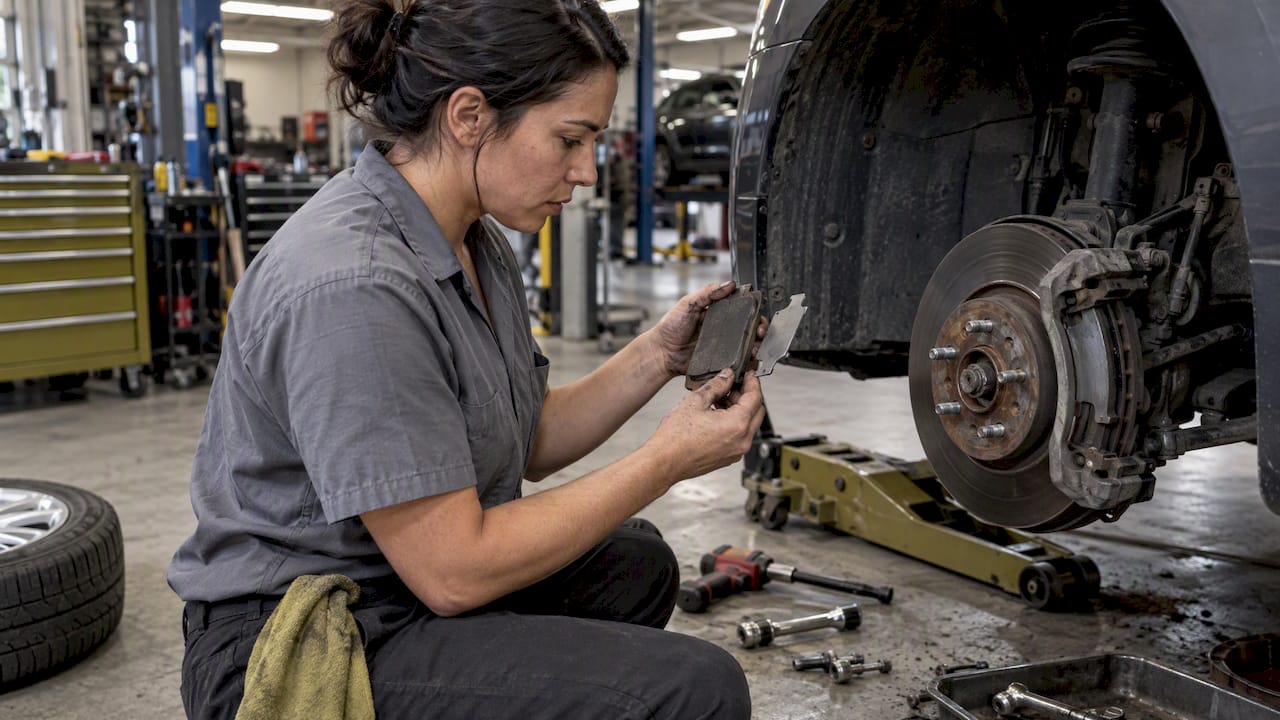
Yes, if you’re pushing your car harder on weekends than the factory pads and rotors were designed for. A street-oriented pad compound with a higher fade resistance gives you a firmer pedal and shorter stopping distances on a spirited canyon run, without the noise or cold-bite issues that come with a track-only compound. Slotted rotors help shed heat and gas buildup slightly better than blank rotors; drilled rotors look aggressive but can crack under repeated heat cycling on a car that also sees daily commuting stress. Stainless steel brake lines eliminate the spongy pedal feel that comes from rubber lines flexing under hard braking.
Upgrade your brake fluid to a higher-boiling-point DOT 4 if you’re seeing any fade at all. A full big-brake kit is overkill for most dual-purpose builds. It adds unsprung weight and cost without a real benefit unless you’re doing track days regularly. If your weekend routine includes towing or a loaded car, check your radiator and consider an auxiliary oil cooler. Heat is heat, whether it comes from spirited driving or hauling gear uphill.
- Pads and rotors: moderate cost, half-day install
- Stainless brake lines: low to moderate cost, a few hours
- Brake fluid flush: low cost, under an hour
- Oil cooler add-on: $200 to $500, half-day install
Which Suspension Upgrades Balance Comfort and Cornering?
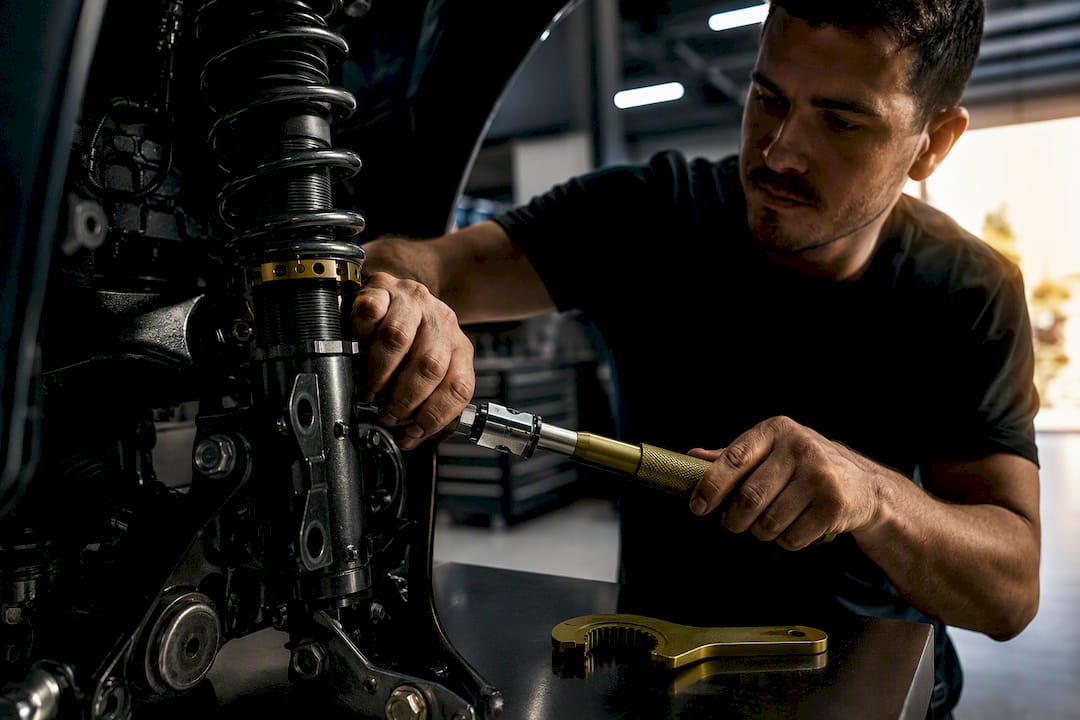
Lowering springs are the simplest entry point. They drop your center of gravity and firm up the ride, but you’re stuck with a fixed spring rate and ride height that a spring engineer chose for a broad range of driving styles, not yours specifically. Coilovers give you adjustable ride height and, on better kits, adjustable damping, so you can dial in a setup that’s compliant on your commute and tighter on a Sunday drive. Touring dampers paired with stock-height springs are the gentlest option, improving body control without changing your ride height or risking clearance issues.

Ride height matters more than most people think. Drop too far and you introduce bump-steer, chew through tires unevenly, and risk scraping on speed bumps and steep driveways. A moderate drop of an inch to an inch and a half preserves daily livability while still sharpening the car’s stance and handling. Spring rate selection should match your car’s actual curb weight, not a generic “stiffer is better” mentality; oversized rates transmit every pavement seam straight into the cabin.
Pro Tip: Avoid race-spec spring rates on a car you drive daily. High-rate springs and aggressive components deliver real gains but commonly wreck highway comfort — a moderate “fast-road” rate keeps the car livable.
Whatever route you choose, book a full four-wheel alignment afterward. Our suspension upgrade guide walks through spring-to-shock matching, camber kit needs, and bump-stop clearance in more detail if you’re weighing a full corner-specific setup against a simpler spring swap.
- Lowering springs: $200 to $500, half-day install
- Touring dampers: moderate cost, half-day install
- Coilovers: moderate to higher cost, a full day including alignment
- Full corner-specific setups (camber plates, adjustable arms) make sense for owners chasing repeatable lap times, not weekend cruisers
Engine and Drivetrain Changes That Don’t Sacrifice Reliability
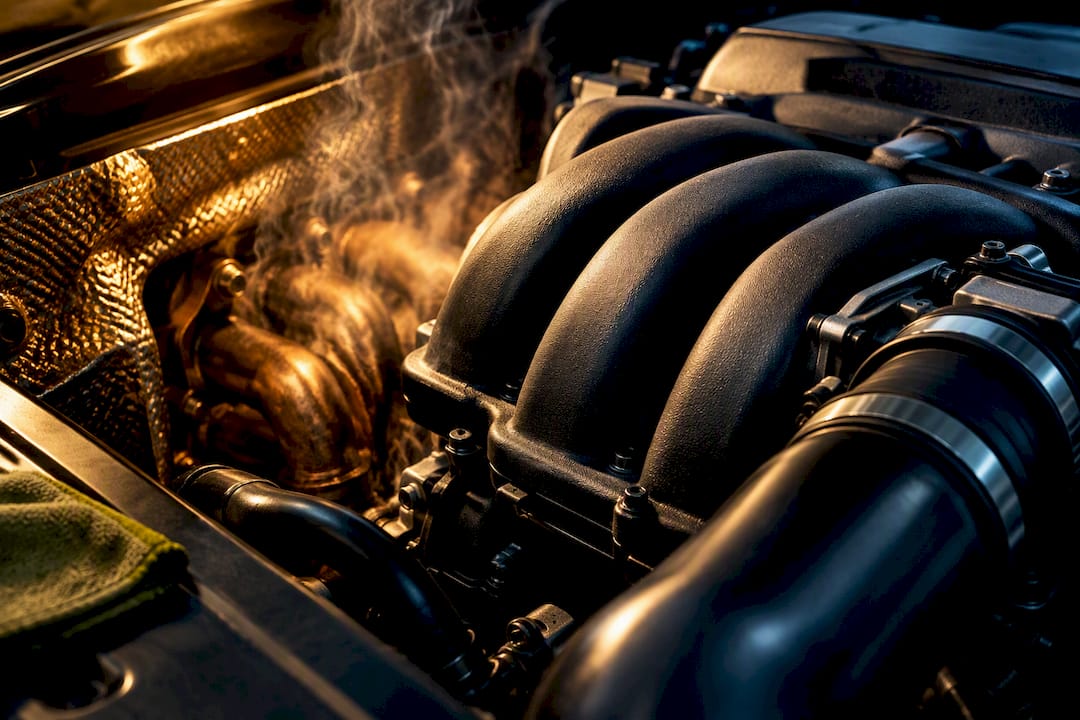
A bolt-on intake, a resonated exhaust, and a conservative ECU tune are the trio that wakes up a daily driver’s throttle response without touching long-term durability. The goal isn’t a huge power number. It’s better delivery: less lag off the line, a stronger midrange, and an engine that still idles smoothly and starts cold without drama.
Intake and exhaust choices should prioritize valved or resonated systems that stay quiet at cruising RPM and open up under load, so you get some character on a weekend back road without constant drone during a two-hour highway commute. A straight-through exhaust with no resonator will get old fast at 2,500 RPM in fifth gear.
On the drivetrain side, transmission fluid service, an upgraded transmission cooler, and (for automatics) a slightly higher-stall torque converter make weekend performance repeatable instead of a one-time thrill that overheats your gearbox. Skip anything that trips a check-engine light or voids your emissions compliance. Most tuning shops can show you a dyno sheet and an emissions-legal tune before you commit.
- Intake: $150 to $400, a few hours
- Cat-back exhaust: $500 to $1,200, half-day install
- ECU tune: $300 to $800, a few hours plus a tuning session
- Transmission service and cooler: $200 to $600, half-day install
Interior and Storage Upgrades That Make Weekends Happen
The best weekend mod might be the one nobody photographs: a system that gets your gear loaded in ten minutes instead of an hour. Durable floor liners and washable seat covers protect your daily interior from muddy boots and wet gear without looking like a work truck. Quick-access storage bins and quick-release rack mounts mean you’re not hunting for straps every Friday night.

Modular cargo drawers and a designated “weekend bag” cut the friction that keeps good intentions from turning into actual trips. Hitch-mounted baskets beat roof racks here too. Roof cargo adds meaningful aerodynamic drag and hurts fuel economy compared with a lower, hitch-mounted alternative, and pulling a roof rack off before the work week keeps your garage clearance and daily mpg intact.
Pro Tip: Keep a dedicated bin packed with recovery gear, a tire gauge, and basic tools in your trunk or cargo area year-round. You skip the Friday-night scramble and the car stays ready without a full teardown every week.
- Floor liners and seat covers: $100 to $300
- Storage bins and organizers: $50 to $200
- Hitch cargo basket: $150 to $350
What Should You Budget for a Dual-Purpose Build?
| Upgrade | Typical Cost Range | Install Time |
|---|---|---|
| Tire set (performance all-season) | moderate cost | 1 to 2 hours |
| Brake pads, rotors, lines | moderate cost | Half day |
| Coilovers | moderate to higher cost | Full day (with alignment) |
| Cat-back exhaust | $500 to $1,200 | Half day |
| Interior/storage kit | low to moderate cost | 2 to 4 hours |

Tires, a hitch, and small interior organizers are realistic weekend DIY jobs. Brakes, suspension, and tuning belong on a shop’s calendar, since they need specialized tools and, in the case of suspension, an alignment rack afterward. Once you’ve upgraded suspension, check alignment more frequently than stock. Watch tire wear patterns monthly for the first few months, and refresh brake fluid every one to two years if you’re driving harder than before.
Mods to Avoid on a Daily-Weekend Build
Some upgrades read great on a forum thread and ruin your Monday commute. Extreme lift kits on a street truck raise your center of gravity and introduce driveline vibration you’ll feel at every stoplight. Ultra-stiff race springs transmit every expansion joint straight into your spine. Oversized knobby tires add rolling resistance, road noise, and stopping distance on pavement, even though they look aggressive in the driveway. Aggressive racing camshafts hurt idle quality and low-RPM drivability, the two things you actually experience every single day.
Weekend trail driving stresses a vehicle far more than a daily commute does, which is exactly why protection and traction upgrades belong ahead of cosmetic changes, not after them.
Better alternatives exist for nearly every one of these mods:
- Moderate all-terrain tires instead of aggressive knobbies
- Touring dampers instead of race-spec coilovers
- Valved exhaust instead of a straight-through system
- A mild-stall torque converter instead of a race-spec unit
How Do You Choose Parts That Fit Both Roles?
Fitment separates a build that works from one that fights you every time you turn the key. Before buying anything, check wheel offset and fender clearance for your exact chassis code, confirm spring rates match your car’s actual curb weight (not a generic guess), verify recommended tire sizing for your intended wheel width, and pull factory alignment specs as your baseline.
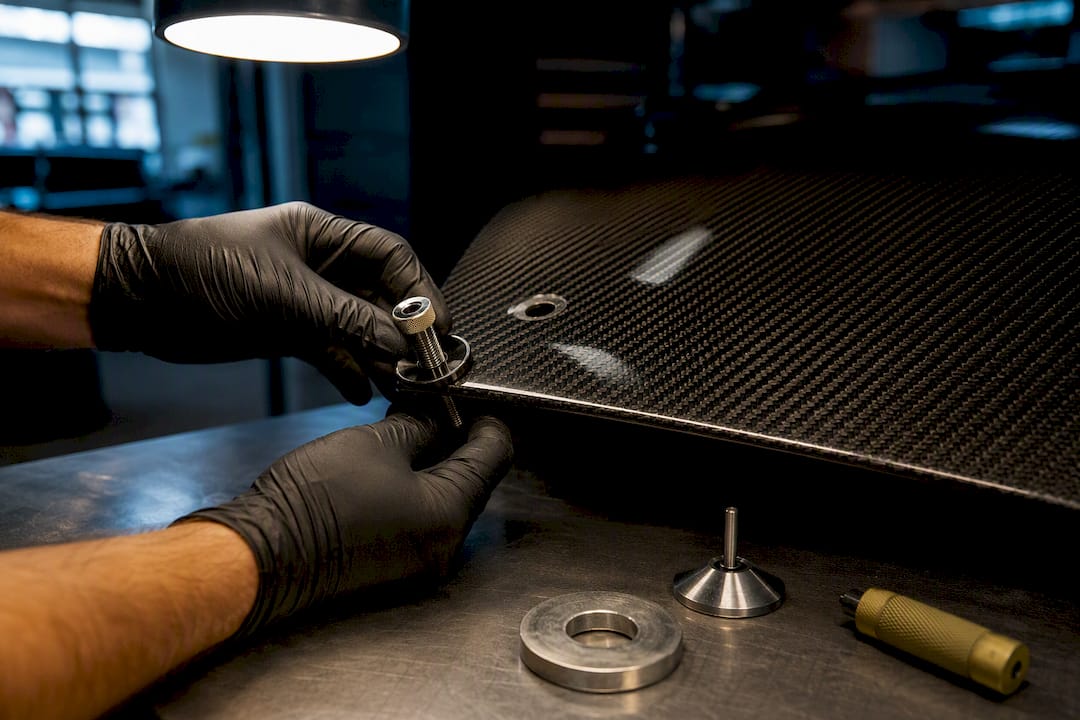
Material choice matters for aero parts specifically. Fiberglass is more affordable and easier to repair after a minor scrape, while carbon fiber is lighter and stiffer but costs more and cracks rather than flexes on impact. Underground Dynamics offers both, matched to chassis-specific fitment data, so you’re not guessing whether a lip kit clears your specific bumper.
After any suspension or aero install, run this checklist:
- Torque all suspension hardware to factory spec
- Get a full four-wheel alignment, not just a toe check
- Bed in new brakes properly before hard driving
- Recheck alignment after 500 to 1,000 miles as components settle
Manufacturer fitment data isn’t optional here. Guessing at offset or spring rate is how good parts end up feeling wrong on your specific car.
Managing Noise, Vibration, and Harshness After Upgrades
Every performance mod changes how your car sounds and feels, and that’s the trade-off nobody mentions on the spec sheet. Lower-profile tires transmit more road texture through the cabin. Stiffer springs telegraph expansion joints you never noticed before. A louder exhaust that sounds great at wide-open throttle can turn into a droning nuisance at a steady 2,500 RPM highway cruise.
The fix isn’t avoiding these upgrades. It’s choosing the version that manages NVH intelligently. A resonated or valved exhaust cancels out the resonant frequency that causes drone, opening up only under load. Polyurethane bushings sharpen steering response but transmit more vibration than rubber; if you’re chasing daily comfort, use urethane only at the front control arms and keep rubber where vibration isolation matters more than precision. Sound-deadening mats under the carpet and in the doors cut down on road noise cheaply, and they’re an underrated addition to almost any suspension or tire upgrade.
Wheel and tire balance also plays a bigger NVH role than most owners realize. An improperly balanced wheel at highway speed creates a vibration that gets blamed on suspension parts that are actually fine. If a new coilover setup suddenly feels buzzy, check balance and alignment before assuming the parts themselves are the problem. NVH management is really about picking the right version of each upgrade, not skipping upgrades altogether.
Building a sane daily-weekend car
Balancing fun and reliability isn’t about finding a perfect compromise. It’s about picking upgrades that make both halves of your week better, not just one. Prioritize safety margins, respect load limits, and get an alignment every time you change ride height. The car should feel like an upgrade every day, not just on Saturday.
How Underground Dynamics Supports a Dual-Purpose Build
Getting suspension geometry wrong or ordering an aero piece that doesn’t clear your fender costs you a weekend and a return shipment. Underground Dynamics builds its catalog around chassis-specific fitment data for exactly this reason, so a set of coilovers or a body kit is matched to your actual model instead of a generic “universal fit” guess.
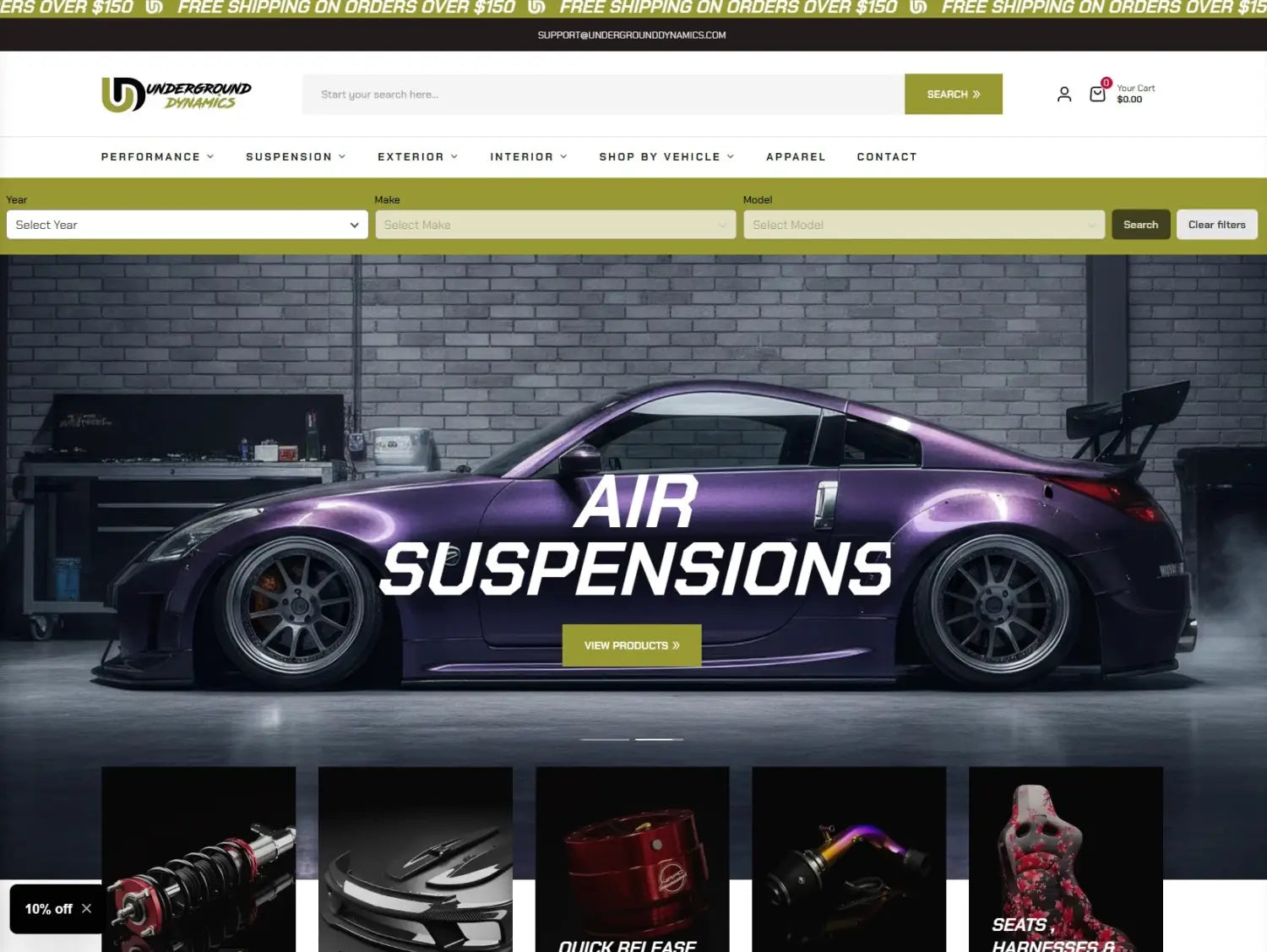
The suspension category covers coilovers for adjustable ride height and touring-oriented dampers for owners who want sharper handling without giving up highway compliance. The body kits catalog covers lip kits and fenders in carbon fiber or fiberglass, chosen for aero balance rather than looks alone. Browse the performance parts section for intakes and exhausts that fit the same dual-purpose philosophy this guide covers, and reach out to support with your exact chassis code if you have a fitment question before you buy.
Sources
- The Most Useful Modifications for Weekend Off-Roaders
- How to Turn Your Daily Driver into a Weekend Adventure Machine - The Virtual Driver
- How I turned my crossover into a budget adventure vehicle
- Upgrade Your Car This Weekend - Lifehacker
FAQ
What Are the Best Upgrades for a Daily Driver?
Tires, brake pads and rotors, a coilover or touring-damper suspension setup, better interior storage, and a mild ECU tune deliver the most usable improvement without hurting daily comfort or reliability.
What Is the $3,000 Rule for Cars?
It’s an informal rule some owners use to decide whether a repair bill is worth it. If the repair cost exceeds a certain threshold relative to the car’s value, it may be time to consider replacement rather than repair. It’s a budgeting guideline, not a fixed industry standard.
How Can I Make My Engine Last 300,000 Miles?
Stick to factory-recommended service intervals, use quality fluids, avoid extreme tuning that stresses internals, and address small issues (leaks, unusual noises) before they become expensive failures.
What Is the 30-60-90 Rule for Car Maintenance?
Definitions vary across shops, but it generally refers to checking key maintenance items periodically after a major service or repair to confirm everything is holding up under real driving conditions.
Will Upgrading Suspension Hurt My Daily Comfort?
Not if you choose the right components. Moderate lowering springs or adjustable coilovers with a fast-road spring rate, like those in Underground Dynamics’ suspension lineup, sharpen handling while keeping highway ride quality livable.