FREE SHIPPING ON ORDERS OVER $150

Cart
0
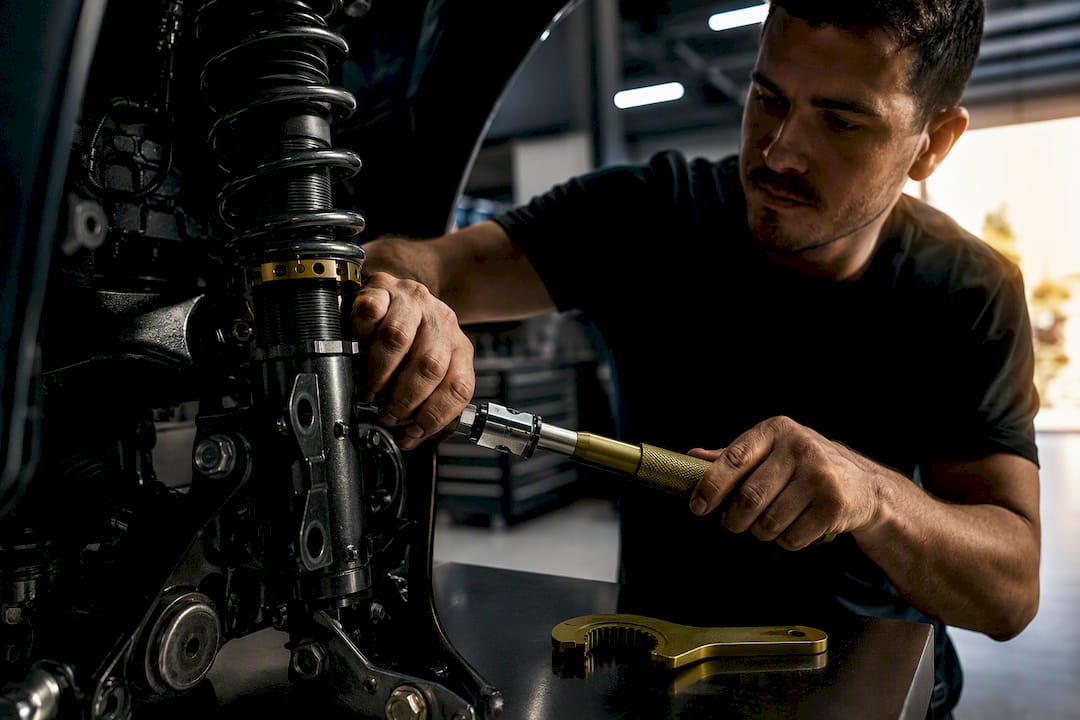
Plan on roughly $1,300 to $3,000 for a typical street coilover project, and that figure covers the coilover kit itself, professional install labor, and a post-install alignment. Premium kits with specialty hardware or a shop that handles corner balancing can push that total past $4,000. Your actual quote depends heavily on your car’s suspension design, the shop you pick, and where you live.
TL;DR:
- The total cost for a street coilover project generally ranges from $1,300 to $3,000, but premium setups with additional hardware can exceed $4,000.
- Labor costs are typically $400 to $800, and an alignment usually adds $110 to $135, with corner balancing as an optional extra at performance shops.
- The coilover kit price varies from around $750 for entry-level to over $2,000 for premium, adjustable systems with advanced features.
- Shop rates depend on vehicle complexity, location, and shop type, with some shops charging between $120 and $159 per hour, significantly affecting overall costs.
- Accurate quotes require owners to specify their vehicle details, target ride height, and confirm what services—like alignment and hardware—are included to avoid hidden charges.
Table of Contents
- 1. What goes into a coilover installation budget
- 2. Three sample budgets from entry-level to full build
- 3. Why coilover quotes vary so much between shops
- 4. What happens during a coilover install, step by step
- 5. How to get an accurate, comparable coilover quote
- 6. Alignment and corner balancing: what to expect and when you need them
- 7. How kit documentation from Underground Dynamics affects install time
- 8. When to pay for a specialist and when to save
- 9. Where Underground Dynamics fits into your suspension budget
- Sources
- FAQ
1. What goes into a coilover installation budget
Every coilover project breaks down into a handful of predictable buckets, and knowing them makes it a lot easier to read a shop’s estimate without getting blindsided.
Coilover kits themselves span a wide range. Entry-level kits typically run from the mid hundreds to around a thousand dollars, and they cover most daily-driver setups with basic damping adjustment. Mid-range kits generally cost between about one thousand and two thousand dollars, adding better damper quality, more adjustment range, and sometimes pillow ball mounts. Premium setups start in the low thousands and climb from there, often built for track use with remote reservoirs, full camber plates, and higher-grade internals.

Labor is the next piece, and it’s where a lot of first-time buyers underestimate the total — similar to how automotive detailing services have transparent pricing in guides like ceramic coating cost UK. Professional installation labor alone commonly runs $400 to $800, depending on your car’s platform and the shop’s hourly rate. That figure typically covers removing the factory struts and springs, installing the new coilovers, setting an initial ride height, and torquing everything to spec. It usually does not include alignment unless the shop bundles it in.

Alignment is close to mandatory after a coilover swap, since ride height and camber both change the moment you lower the car. Shops commonly list four-wheel alignments starting around $110 to $135, though lowered or modified cars often need extra adjustment hardware quoted as a separate line item. Skipping this step to save money is a fast way to chew through a new set of tires.
Corner balancing sits on top of all that, and it’s optional for most street builds but common for anyone chasing a track-ready setup. A shop with a corner-balance scale adjusts spring perch height at each wheel to even out weight distribution, which improves handling consistency. Expect this as an add-on service rather than something bundled into a standard alignment.
Here’s how the pieces typically stack up:
- Coilover kit: $750 (entry) to $2,000+ (premium), depending on adjustability and brand.
- Install labor: $400 to $800, covering removal, installation, and initial height setting.
- Standard alignment: roughly $110 to $135 at most shops, more for performance alignments.
- Corner balancing: an added service, priced separately and usually only offered at performance-focused shops.
A typical complete street coilover project, including parts, labor, and alignment, often totals $1,300 to $3,000, with premium builds exceeding $4,000 to $5,000. That range gives you a real anchor point before you start calling shops.
2. Three sample budgets from entry-level to full build
Numbers mean more when you see them applied to an actual car, so here are three realistic scenarios that map to common builds.
- Low-budget street setup. An entry-level coilover kit around $800, paired with an independent shop install at $450, plus a standard alignment at $120, lands you near $1,370 total. This fits compact sport cars and daily-driven sedans where the goal is a lower stance and mild handling improvement, not track lap times.
- Mid-range performance build. A mid-tier kit around $1,400, combined with install labor that includes ride-height dialing at several hundred dollars plus a performance alignment somewhat above one hundred dollars, puts you around a couple thousand dollars. This tier suits performance coupes and hot hatches where the owner wants adjustable damping and a setup tuned for spirited street driving.
- High-end track-oriented build. A premium kit at $2,500 or more, specialist installation at $800 given the added complexity of camber plates and remote reservoirs, a performance alignment around $175, and corner balancing at an additional shop fee, can total $3,800 to $4,500 or higher. This tier fits track-day cars and dedicated project builds where handling precision matters more than sticker shock.
Vehicle type plays a real role in which bucket you land in. A strut-front compact like a Civic or Miata is generally quicker to work on than a car with a multilink rear end, since there’s simply less hardware to remove and reinstall. Mainstream sedans usually sit in the middle. Cars with more complex rear suspension geometry, or anything built for aggressive camber and caster adjustment, tend to push labor time and cost toward the higher end regardless of kit price.
Keep in mind these are packaged examples, not guarantees. Your own total depends on your specific car, the shop’s rate, and whether anything unexpected turns up once the old suspension comes apart, which happens more often than owners expect on cars with any age on them.
3. Why coilover quotes vary so much between shops
Two shops quoting the same job can land $500 apart, and it’s rarely random. A few factors drive most of that spread.
Vehicle architecture is the biggest one. A simple strut-based front end takes less time to disassemble and reassemble than a multilink setup, and that time difference shows up directly in labor cost. Cars with subframes that need to drop for rear coilover access add hours a shop has to bill for.
Shop type matters just as much. Independent general shops often charge less per hour than dealerships, but they may lack experience with performance suspension work. Specialty performance shops usually charge a premium but bring faster, more accurate installs and often offer corner balancing as a standard add-on.
Location changes the math too. Almost half of U.S. repair shops charge between $120 and $159 per labor hour, and rates vary meaningfully by state and ZIP code. A shop in a high cost-of-living metro area will almost always quote higher than a comparable shop in a smaller market, even for identical work.
Then there’s the wildcard: the condition of your car. Seized bolts, a rusted-out mount, or a broken sway bar end link can add real time to a job that looked simple on paper. Scope creep is common too, especially with ride-height iterations, where a shop sets height, you drive it, decide it’s wrong, and bring it back for another round of adjustment. Camber hardware needed to hit an aggressive stance is another frequent add-on that isn’t always in the initial quote.
- Vehicle complexity: strut-front cars install faster than multilink or subframe-heavy platforms.
- Shop type: independents often cost less per hour; specialty shops charge more but move faster on performance work.
- Region: labor rates swing by state and ZIP code, sometimes by $120 to $159 per hour or more.
- Vehicle condition: seized hardware, broken mounts, or corroded bolts add unplanned labor time.
- Scope creep: repeated height adjustments or added camber hardware can push a quote higher mid-job.
Pro Tip: Ask upfront whether the quoted price assumes clean, undamaged hardware, since that single question surfaces most hidden cost risk before the car ever hits the lift.
4. What happens during a coilover install, step by step
Knowing the sequence of work helps you spot a shortcut estimate before you hand over your keys.
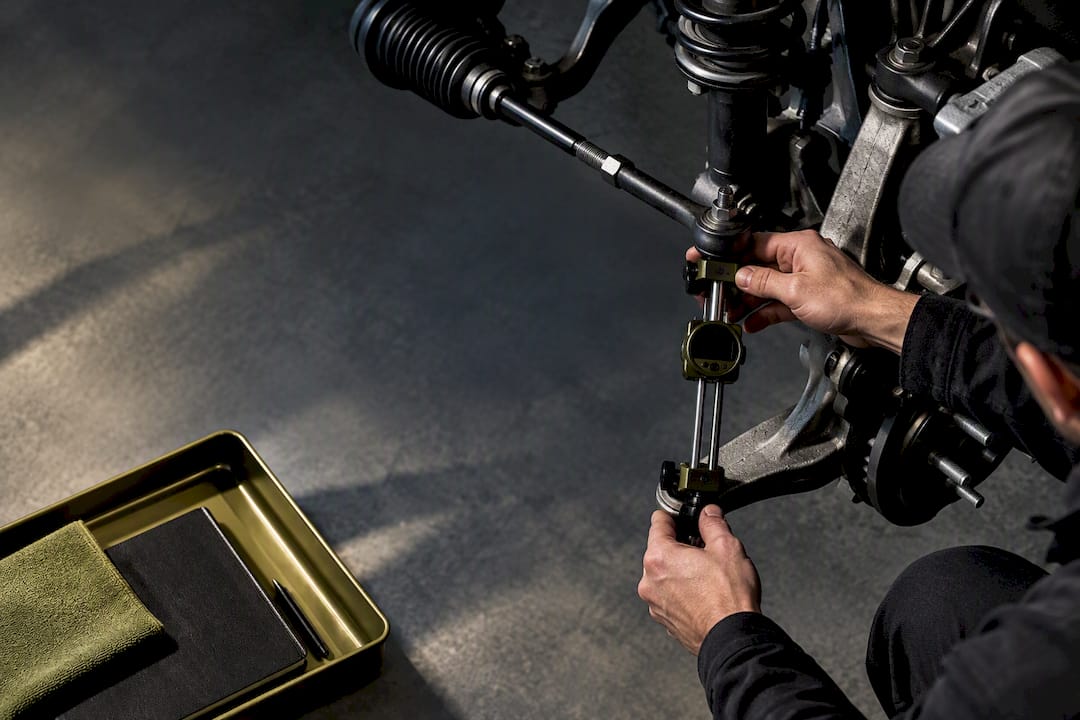
- Remove and inspect the factory suspension. The shop pulls the factory struts, springs, and related hardware, checking mounts, sway bar links, and brake lines for wear or damage that could complicate reinstallation.
- Assemble and pre-adjust the coilovers. If the kit didn’t arrive pre-assembled, the shop builds each corner, setting spring perch height to an initial target based on your desired ride height.
- Install and torque everything to spec. New coilovers go in, bolts get torqued to manufacturer specification, and the shop sets an initial ride height estimate on all four corners.
- Dial in ride height and test drive. A good shop takes the car for a short drive, rechecks height and clearance, and makes small adjustments before calling the suspension settled.
- Final alignment and documentation. The last step is a proper alignment with printed before-and-after numbers. Ask to see this documentation, since it confirms the shop actually measured camber, caster, and toe rather than eyeballing it.
Each of these steps takes shop time, and a suspiciously cheap quote often means one of them got skipped, usually the ride-height dial-in or the final alignment.
5. How to get an accurate, comparable coilover quote
Getting quotes that actually compare to each other takes a little prep work, but it saves you from surprise charges later.
Start by giving every shop the same information: your VIN, the exact coilover kit part number, and your intended ride height. This lets each shop price the same job instead of guessing at your car’s trim or your goals.
Ask directly whether the quote includes ride-height setup, alignment, corner balancing, and any extra hardware. Some shops bundle all of it into one number, others itemize, and a few quietly leave alignment out entirely, assuming you’ll book it separately.
Request labor hours and an hourly rate, or a flat price with a written estimate that lists exclusions. A shop that won’t put this in writing is one to be cautious about.
- Provide exact details: VIN, coilover kit part number, and target ride height for every shop you call.
- Ask what’s included: confirm ride-height setup, alignment, corner balance, and hardware are covered or itemized.
- Get it in writing: a flat price or hourly rate plus a written estimate listing exclusions.
- Watch for red flags: a price well below competitors, no alignment mentioned, or a vague scope of work.
- Compare multiple quotes: use two or three estimates alongside local shop reviews to judge fairly.
A quote that looks unusually low often excludes alignment or hardware, and a slightly higher inclusive quote can be the better value once you factor in avoiding a second shop visit.
6. Alignment and corner balancing: what to expect and when you need them
Alignment isn’t optional after a coilover install, since changing ride height changes your suspension geometry at every corner.
Standard four-wheel alignments commonly start around $110 to $135 at shops that work on modified or lowered cars, though performance alignments that chase specific camber and toe targets often cost more due to the extra time involved. Cars with aggressive lowering or track-oriented alignment specs frequently need adjustable hardware, like camber plates or extended tie rods, to actually hit the numbers the alignment tech is targeting.
Corner balancing is a separate service, typically offered at performance shops with a dedicated scale setup. It adjusts spring perch height at each corner to even out the car’s weight distribution, which matters most for autocross and track use rather than daily street driving.
- Standard alignment: commonly $110 to $135 at shops experienced with lowered cars.
- Performance alignment: priced higher due to tighter tolerances and added time.
- Corner balancing: an additional service at specialty shops, priced separately from alignment.
- Adjustable hardware: sometimes required to reach aggressive camber or ride-height targets.
A standard four-wheel alignment commonly starts near $110, and building that number into your coilover budget from the start keeps your final bill from feeling like a surprise.
As a rule of thumb, always fold alignment into your initial coilover budget. If you’re chasing a track setup, add corner balancing as a line item rather than assuming it’s bundled in.
7. How kit documentation from Underground Dynamics affects install time
The clarity of a coilover kit’s documentation has a direct effect on how long a shop spends on your car, and that time translates straight into labor cost.
Kits with camber plates, adjustable top mounts, or remote reservoirs add both purchase price and install complexity, since each of those components needs to be assembled, torqued, and set correctly before the car goes on the alignment rack. A shop unfamiliar with a given kit’s hardware spends extra time figuring out how the parts go together, and that time shows up on your invoice.
Full parts lists and fitment data cut down on that guesswork. When a shop can see exactly which components ship with a kit, they can plan the job instead of discovering surprises mid-install.
- Component-heavy kits (camber plates, remote reservoirs, adjustable top mounts) add both cost and shop time compared to simpler entry-level kits.
- Clear fitment data helps a shop plan the job accurately instead of diagnosing unfamiliar hardware on the lift.
- Full parts breakdowns, like the one in Underground Dynamics’ guide to what’s included in a full coilover kit, help owners understand what they’re buying before it reaches the shop.
- Setup guidance, including alignment settings for coilover builds, gives owners a head start on communicating target specs to their installer.
Owners who bring a shop a clear kit spec sheet and a target ride height typically get through the estimate conversation faster than those who show up with just a part number and a hope.
8. When to pay for a specialist and when to save
Here’s the honest read: a specialist install is worth the extra money when your car has a complex rear suspension, you’re chasing a specific track alignment spec, or you’re running hardware like remote reservoirs that need careful setup. That expertise shows up in fewer comebacks and a car that’s dialed in the first time.
For simpler strut-front platforms and street-only builds, a well-reviewed independent shop, or even a documented DIY install if you’re mechanically confident, can save real money without sacrificing much. The Honda Civic community, for example, has plenty of DIY coilover setup guidance for owners willing to put in the wrench time.
Whichever route you take, budget for a shakedown period. Ride height and alignment often need a second look after a few hundred miles of settling, and that’s normal, not a sign something went wrong.
— Ismael
9. Where Underground Dynamics fits into your suspension budget
Underground Dynamics doesn’t install coilovers, but the parts and documentation on the site can make your shop visit faster and cheaper. Our catalog covers coilovers, lowering springs, and related suspension hardware, sold with detailed fitment specs to help customers understand their purchases before shipping.
That documentation matters more than it sounds. A shop that gets a clear parts breakdown up front spends less time figuring out your kit and more time actually installing it, which can shave real minutes off a labor bill.
| What you get | Why it helps your install |
|---|---|
| Chassis-specific coilover kits | Matches your platform without guesswork on fitment |
| Full component breakdowns | Lets your shop plan the job instead of diagnosing hardware on the lift |
| Setup and alignment guides | Gives you target specs to hand your installer directly |
Browse our coilover and suspension catalog to compare kits by platform and see the fitment details before you call a shop for a quote.
Sources
These figures come from a mix of national pricing guides, labor-rate data, and shop pricing pages, cross-checked against each other rather than taken from a single estimate.
- Average Mechanic Labor Rate: Repair Costs in Your State 2026 | AAA Automotive
- Thepricer
- Coilover installation & setup in Long Beach | Ochoa’s
Forum and owner quotes referenced throughout this guide are anecdotal and used for context, not as national averages.
FAQ
How much do coilovers usually cost?
Coilover kit prices typically range from $750 for entry-level sets to $2,000 or more for premium, adjustable systems with remote reservoirs. The exact price depends on brand, adjustability, and build quality, so it’s worth comparing kits within your target budget before adding install costs.
How much does it cost to fit coilovers?
Professional installation labor commonly runs $400 to $800, depending on your car’s suspension design and the shop’s hourly rate. Add alignment, which typically starts around $110 to $135, and a full installed job commonly lands between $1,300 and $3,000.
How much do coilovers cost including labor and alignment?
A typical complete street coilover project, including the kit, installation labor, and alignment, commonly totals $1,300 to $3,000. Premium kits with specialty hardware or added corner balancing can push that total past $4,000.
What should a fair coilover install quote include?
A fair quote should clearly state whether it covers removal and installation, ride-height setup, alignment, and any corner balancing, along with labor hours or a flat rate. If a quote looks unusually low, check whether it’s excluding alignment or assuming your existing hardware is in perfect condition.
Is DIY coilover installation actually cheaper than paying a shop?
DIY saves the labor cost, often $400 to $800, but still requires an alignment afterward, and mistakes on ride height or torque specs can cost more to fix later. It works best for mechanically confident owners with the right tools, while complex suspension designs usually justify paying a specialist.