FREE SHIPPING ON ORDERS OVER $150

Cart
0
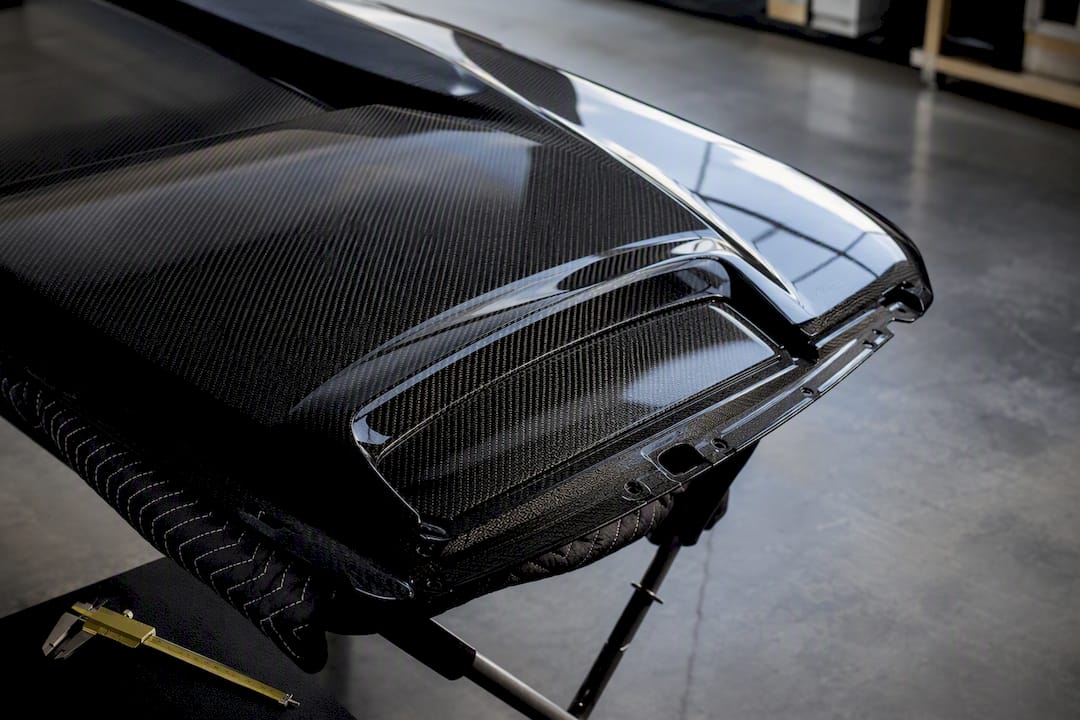
Budget $1,350 to $2,250 for the whole job, not just the hood. That’s the real number once you stack the panel itself against installation, a proper clear coat, and freight for a part too fragile to toss in a box. Most quality hoods sell within a typical mid-range price window on their own, but vehicle platform and layup method swing that range hard in either direction.
TL;DR:
- Genuine structural carbon hoods priced between $1,099 and $2,000 offer real weight savings and increased strength, especially when vacuum-bagged or wet laid.
- High-end pre-preg or autoclave-cured carbon hoods can exceed $2,000, providing tighter tolerances, lighter weight, and better heat resistance for serious track use.
- Additional costs from freight, shipping damage risk, hardware, and finishing typically add hundreds of dollars to the base price of the hood.
- Custom designs and non-OEM shapes increase costs due to bespoke tooling and more complex fitment labor, often doubling the base price.
- Verify vendor claims on layup type, fitment evidence, warranty, and included protections before purchasing to avoid unexpected expenses.
Table of Contents
- Understanding Carbon Fiber Hood Cost by Tier
- What Determines the Price of a Carbon Fiber Replacement Hood
- Additional Costs Beyond the Sticker Price
- How Do You Choose the Right Carbon Fiber Hood for Your Budget?
- Fitment Notes From Underground Dynamics
- Custom vs. OEM-Style Carbon Fiber Hoods: Pricing Impact
- Vents, Paint Matching, and Other Add-Ons That Raise the Price
- Why Fit and Finish Matter More Than the Lowest Price
- Ready to Compare Real Carbon Fiber Hood Options?
- Sources
- FAQ
Understanding Carbon Fiber Hood Cost by Tier
Sticker price tells you less than you’d think. Two hoods can both say “carbon fiber” and land $1,500 apart because of how they’re actually built.
At the bottom, you’ve got carbon skin and FRP overlay hoods, sometimes priced as low as $300 to $900. These use a fiberglass core with a cosmetic carbon layer bonded on top. They look the part in photos, but they don’t shed much weight and they hold up worse over time than a real carbon layup. If you’re chasing looks for a show car that never sees a track, this tier can work. If you want the actual performance benefit, it can’t deliver it.
The mid-range is where most buyers land, and it’s the sweet spot for a reason:
- Wet layup or vacuum-bagged carbon typically runs $1,099 to $2,000, according to Hyperx Carbon’s carbon fiber hood pricing breakdown.
- Buyers commonly settle in a mid-range price window balancing weight savings against cost.
- These hoods use genuine structural carbon, not a skin, so the strength-to-weight gains are real.
At the top, pre-preg or dry carbon hoods cured in an autoclave push the price to a high premium range, particularly on niche platforms like the Type-GTD Mustang hood. Autoclave curing produces tighter tolerances, lighter finished weight, and better resistance to heat. That premium mostly makes sense for track builds where every pound matters.
What Determines the Price of a Carbon Fiber Replacement Hood
Four things drive the number on the invoice: material, tooling, labor, and risk.
Resin system is the biggest lever. Wet layup uses hand-applied resin and cures at room temperature or with light heat, which keeps costs manageable. Pre-preg carbon arrives pre-saturated with resin and requires autoclave curing under pressure and heat, a process that costs significantly more to run and explains why dry carbon hoods sit at the top of the price ladder.
Tooling matters just as much, even though buyers rarely think about it. A hood mold for a Honda Civic or Ford Mustang gets amortized across thousands of units because the platform is popular. A mold for a low-volume or enthusiast-niche chassis gets amortized across a few hundred, so the tooling cost per unit is naturally higher. That’s a big part of why the same layup process can price out differently across two vehicles.
Labor and quality control add their own layer. Trimming, edge finishing, test-fitting, and inspection all take shop time before a hood ever ships, and a vendor backing the part with a real warranty has to price that coverage into the part.
Vendors also build in a shipping and damage buffer. Hoods are large, fragile, and expensive to reship if they crack in transit, so that risk gets baked into the sticker price before you ever click “buy.”
- Material and resin system: room-temperature cure vs. autoclave pre-preg
- Tooling amortization: high-volume platforms cost less per unit than niche ones
- Labor, trimming, and QA inspection time
- Warranty coverage built into the price
- Shipping and damage-risk margin
Additional Costs Beyond the Sticker Price
The hood price is the headline number. The real total shows up after freight, labor, and finishing get added in.
- Freight and crating: Oversized, fragile-item shipping commonly adds an additional shipping cost on top of the hood price, typically within a moderate range as per Butter Classics shipping explanation, largely because carbon panels need custom crating to survive transit.
- Installation labor: A straightforward hood swap typically costs a moderate labor fee at most shops, but alignment work, latch adjustments, or gap correction can increase that charge significantly.
- Clear coat and UV protection: Many hoods ship raw, and a proper UV-resistant clear coat typically adds a moderate finishing cost. Skip it and sun exposure will yellow the weave within a couple of seasons.
- Hardware: Budget for hood pins, upgraded struts, or reinforced mounting hardware, especially if the OEM setup wasn’t designed around a lighter composite panel.
- Repairs: Minor scuffs are cheap to buff out, but a cracked or delaminated panel usually means a full repair or replacement rather than a patch job.
Pro Tip: Ask upfront whether the clear coat and shipping protection are included in the listed price or billed separately. That single question is the fastest way to avoid a $2,000 hood turning into a $2,400 invoice.
How Do You Choose the Right Carbon Fiber Hood for Your Budget?
Match the tier to how you actually use the car, then verify the vendor’s claims before you pay.
- Daily driver or show car: A mid-range wet layup hood covers most needs without overspending on autoclave performance you won’t use on the street.
- Track or weight-focused build: Pre-preg dry carbon justifies its premium here, where shaving a few pounds off the nose actually changes lap times.
- Ask about layup and resin type directly. “Carbon fiber” alone tells you nothing. Wet layup, vacuum-bagged, and dry pre-preg are three different products at three different price points.
- Confirm warranty and return policy before ordering. A hood is a big-ticket item; know what happens if fitment is off or the panel arrives damaged.
- Demand fitment evidence. Ask for test-fit photos on your specific model year and confirm panel gap tolerances rather than trusting a generic product shot.
- Watch for red flags: No mention of clear coat, vague language about “carbon” without specifying whether it’s a full layup or an FRP hood with a carbon skin, and no stated shipping protection are all signs to ask more questions before buying.
Fitment Notes From Underground Dynamics
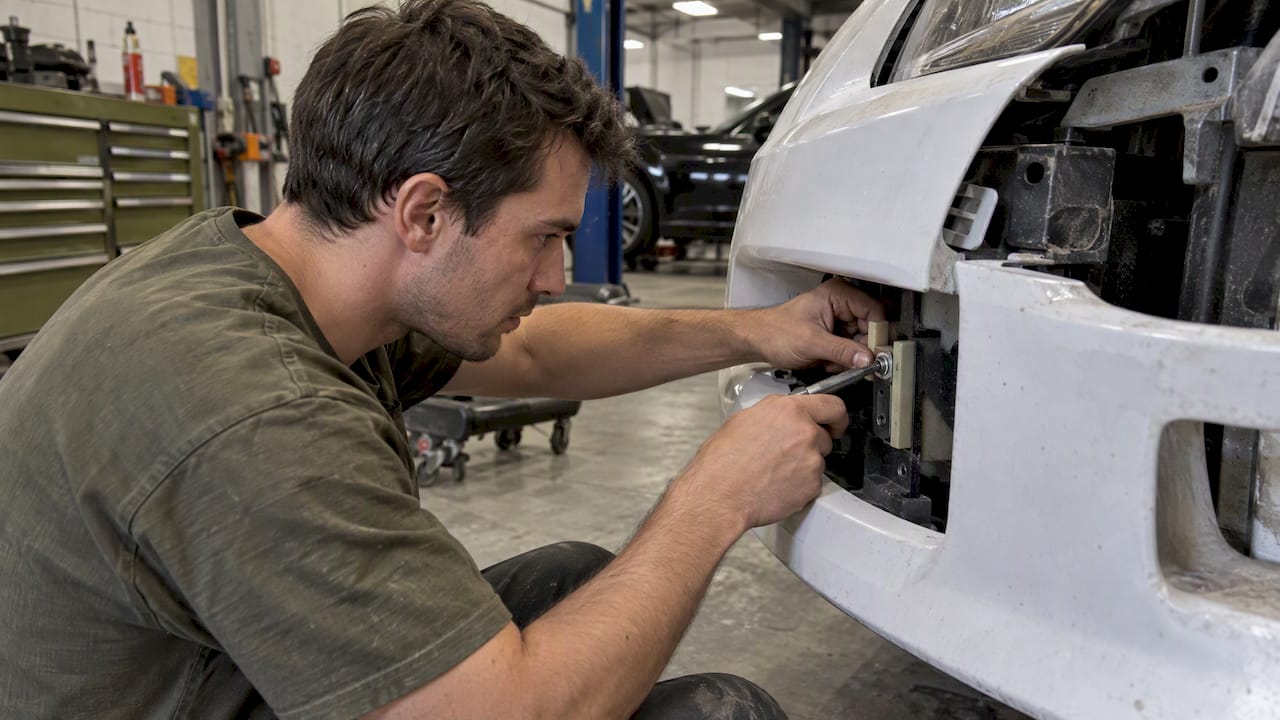
Fitment problems, not the hood itself, are what usually blow up a shop’s labor estimate. Latch alignment, hood pin placement, and gap tolerance on aftermarket panels often need more attention than a factory hood, and that’s shop time nobody quotes you upfront.
Underground Dynamics sources carbon fiber and fiberglass hoods from established suppliers and publishes real fitment specs, including Mustang and Miata platform notes, so buyers aren’t guessing before they order.
A few practical notes worth knowing before you order:
- Composite hoods often need hood pins and upgraded hardware since OEM struts weren’t designed for the weight distribution of a carbon panel.
- A DIY install saves labor cost but demands patience with alignment; a rushed fit is where most post-install complaints originate.
- Documented project builds show what realistic fitment and finish work actually looks like on popular platforms.
Custom vs. OEM-Style Carbon Fiber Hoods: Pricing Impact
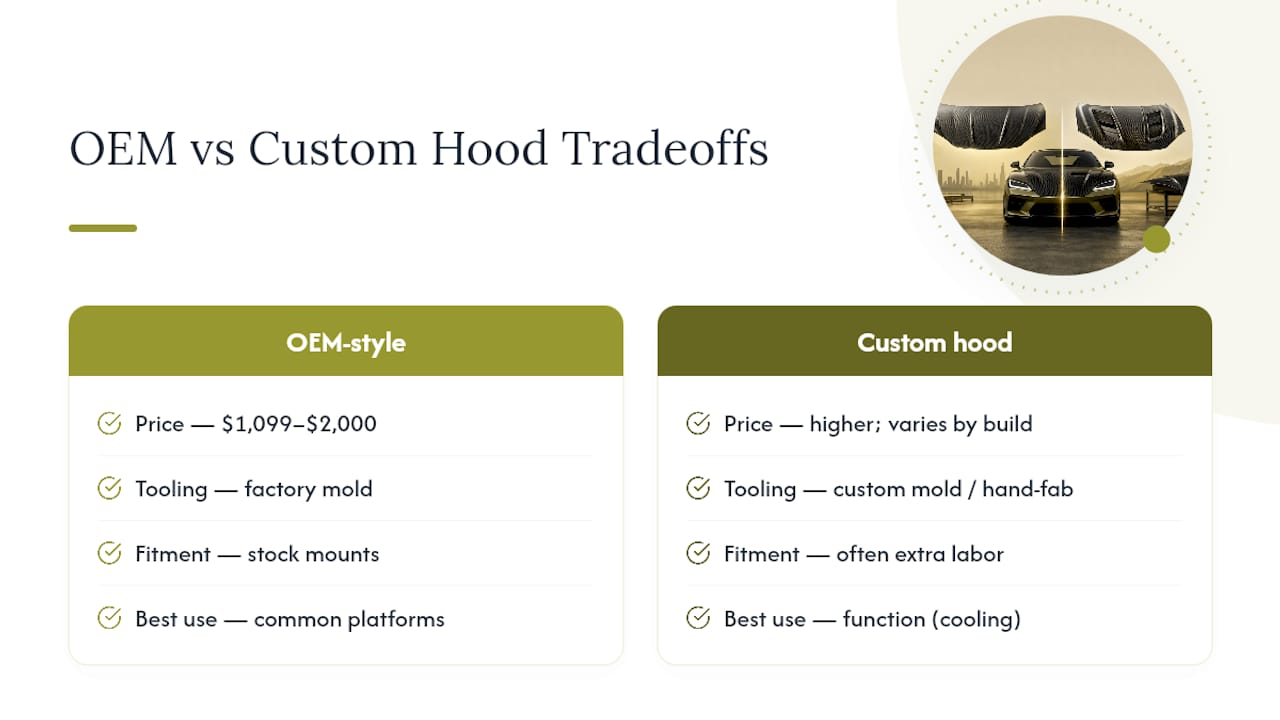
An OEM-style replacement hood is molded to match the factory hood’s shape almost exactly, using the factory mounting points and hinge locations. Because the tooling already exists for popular platforms, these hoods tend to land in the standard $1,099 to $2,000 mid-range without much surprise.
Custom hoods change the math. A vented design, a raised cowl, or a one-off shape built for a specific build pushes cost up in two ways. First, custom tooling or hand-fabrication work replaces the amortized mold cost of an OEM-style piece, and that expense gets passed straight to the buyer. Second, custom hoods frequently require more fitment labor at install, since hinge geometry or latch position may not match stock exactly.
The tradeoff is worth understanding before you fall in love with a look. A custom vented hood might solve a real cooling problem on a track build, and in that case, the extra cost buys function. Platform popularity plays a role here too. A custom hood for a widely modified chassis like a 350Z or Civic has more shops and installers familiar with the fitment quirks, which keeps labor costs more predictable than a custom piece on a rarer platform.
Vents, Paint Matching, and Other Add-Ons That Raise the Price
Every feature you add to a base hood design carries its own cost line, and it’s worth pricing these separately rather than assuming they’re bundled.
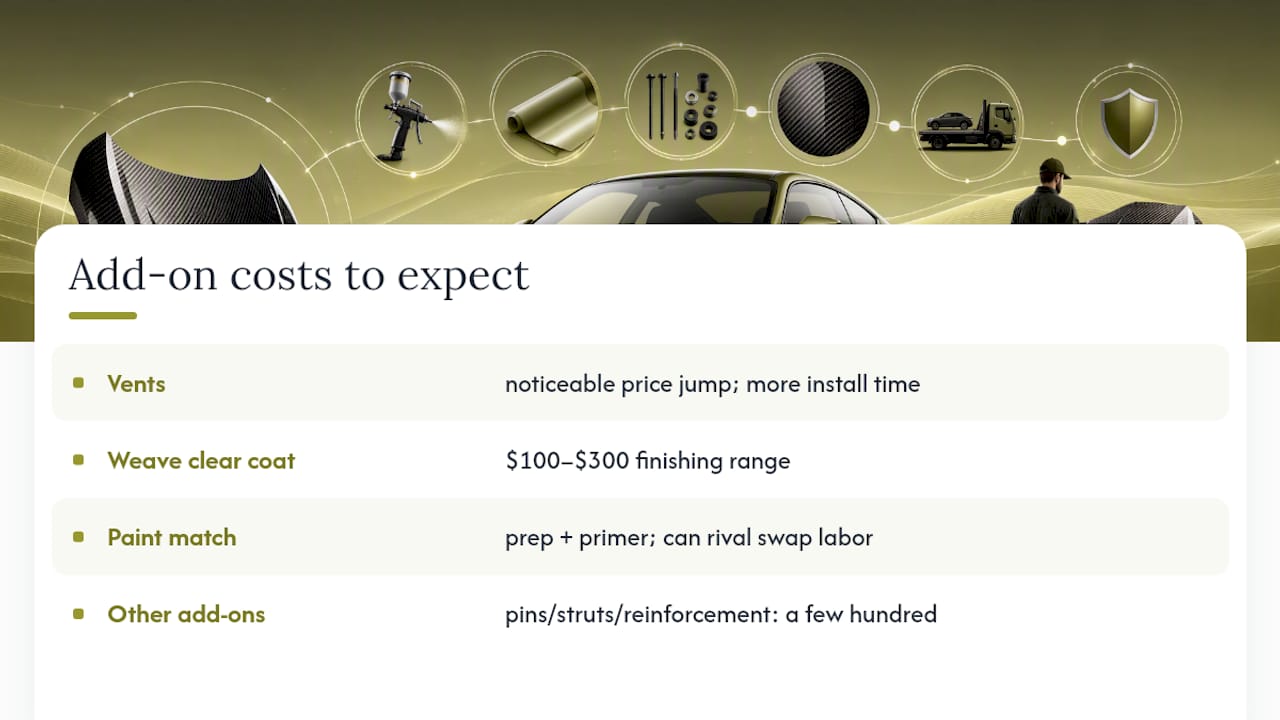
Functional heat-extraction vents add machining or mold complexity, since the panel needs reinforced edges around each opening to prevent cracking. Expect a noticeable jump over a vent-free version of the same hood, and factor in slightly more install time if the vent placement needs to clear underhood components.
Paint matching is its own cost category entirely. A raw carbon hood with a clear coat shows the weave, which is the look most buyers want. If you’re painting to match body color instead, you’re paying for paint prep, primer, color match, and a separate clear coat on top of that, often rivaling the labor cost of the hood swap itself. Weave-finish clear coat, by contrast, tends to fall within that standard $100 to $300 finishing range mentioned earlier.
Other common add-ons include hood pin kits, gas strut upgrades, and underside FRP reinforcement panels. None of these are outrageous individually, but stacked together they can add a few hundred dollars to a project that looked simple on the product page. Price each customization as its own line item before you commit, not as an afterthought once the hood is already on order.
Why Fit and Finish Matter More Than the Lowest Price
Spend the extra money on fit and finish, not just the smallest number on the page. A cheap carbon-skin hood that needs rework at install, or a raw panel with no clear coat plan, ends up costing more once labor and a redo are factored in. Every project note from builds we’ve supported points the same direction: fitment problems cost more in shop hours than the price difference between tiers ever does. If you want help matching a hood to your platform’s actual gap tolerances, that’s exactly what fitment guides are for.
— Ismael
Ready to Compare Real Carbon Fiber Hood Options?
Some vendors stock carbon fiber and fiberglass hoods with fitment specs provided upfront, not just a glamour shot and a price tag. That’s the gap many listings leave open, and it’s the one that costs buyers the most in surprise labor once the part shows up.
Every hood in the body kits and carbon fiber aero catalog lists the layup type, weight, and platform compatibility upfront, so you’re comparing real specs instead of guessing from photos. If you’re not sure which tier fits your build, check the Underground Dynamics catalog for your specific platform or reach out with your vehicle year and use case, daily driver, show car, or track build, and get a straight answer before you spend $1,500 on the wrong layup.
Sources
- How Much Does a Carbon Fiber Hood Cost in 2026? $999–$2,268 Real Prices & Breakdown - Hyperx Carbon
- Classic Car Shipping Cost: What Collectors Should Expect
FAQ
How much does it cost to install a carbon fiber hood?
Basic installation labor generally costs a moderate amount at most shops, but alignment, latch adjustments, or gap correction can push that cost into the several-hundred-dollar range.
Are carbon fiber hoods worth the price?
For weight-focused or track builds, yes. The pre-preg premium buys real weight savings and heat resistance, while for daily drivers a mid-range wet layup hood usually delivers the visual and functional benefit without the autoclave-level cost.
What is the price of a carbon fiber hood?
Most quality hoods fall within a mid-range price bracket, with premium pre-preg options costing significantly more depending on the platform. All-in totals with installation, clear coat, and shipping generally fall within a moderate price range.
What are the downsides of a carbon fiber hood?
Lower-cost carbon-skin or FRP hoods offer minimal weight savings and less durability than true carbon layups, and any composite hood can need extra hardware like hood pins to handle stress points the factory setup wasn’t designed for.