FREE SHIPPING ON ORDERS OVER $150

Cart
0
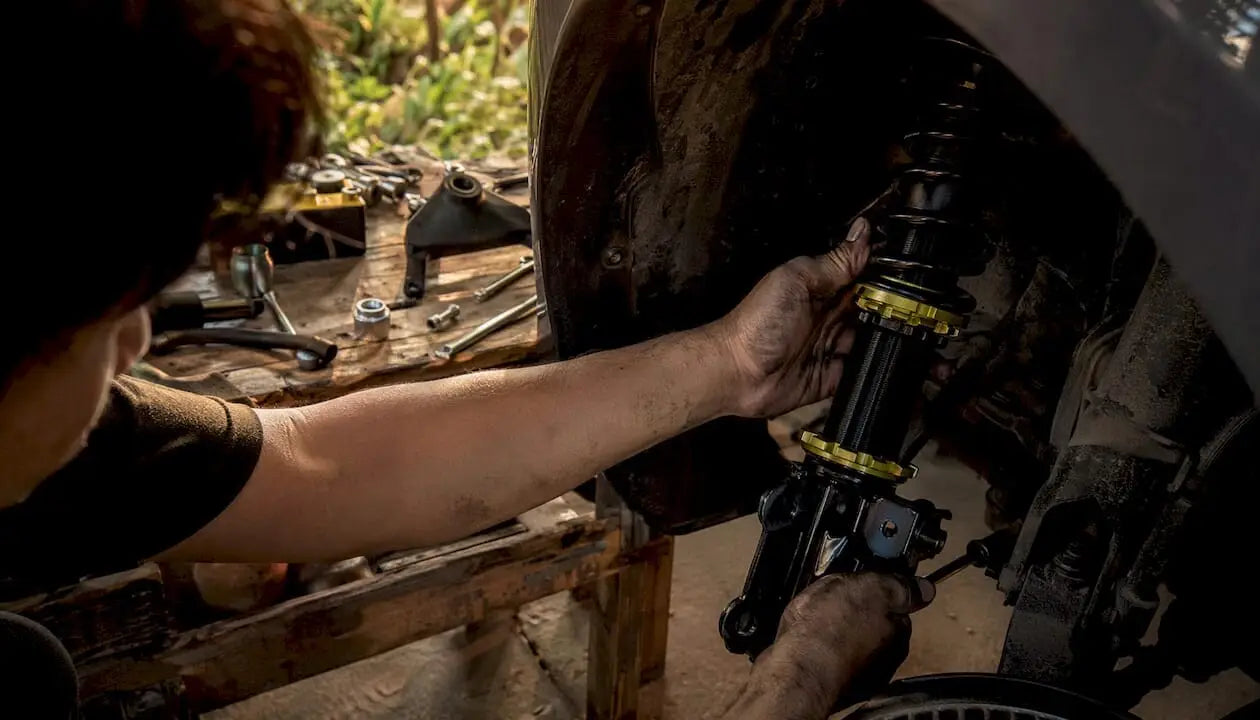
Supra coilovers are integrated suspension units that combine a spring and damper into one matched assembly, replacing the factory setup to sharpen steering response, reduce body roll, and lower the car’s center of gravity. The A90 Supra’s stock suspension is tuned for comfort and broad market tolerance, which means it leaves real handling performance on the table. Coilovers fix that by giving you adjustable ride height and damping control in a single system built for performance. Understanding why supra coilovers change handling starts with knowing what that integration actually does to the car’s dynamics.
Why do Supra coilovers change handling so dramatically?
The core reason coilovers transform handling is matched tuning. A factory suspension pairs a spring rate and damper valving chosen for the widest possible range of drivers and road conditions. A coilover kit pairs spring rate and damper valving specifically for performance, so the two components work together instead of fighting each other.
A90 Supra coilovers typically offer 25–100 mm of ride height adjustment alongside matched damping control. That range matters because even a modest drop in ride height lowers the center of gravity, which directly reduces the roll torque the car generates in a corner. Less roll torque means the suspension spends less time managing lean and more time keeping tires flat on the road.
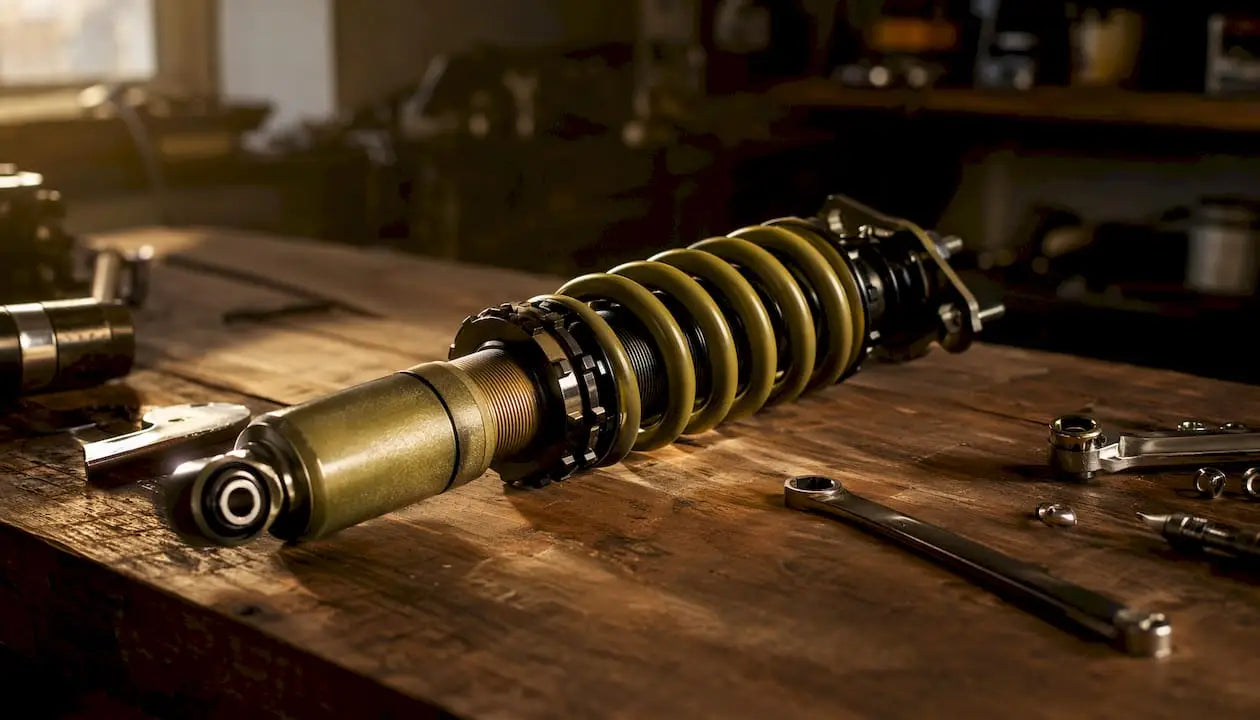
Adjustable damping adds another layer. You can dial in how quickly the suspension compresses and rebounds, which changes how weight transfers during braking, turn-in, and acceleration. That control is simply not available with a fixed factory damper. The result is a car that responds to your inputs instead of reacting to them.
How do Supra coilovers affect steering feel and feedback?
Steering feel is a product of what the front tires communicate back through the chassis. Coilovers improve that communication in two ways: stiffer matched spring rates reduce chassis flex under load, and properly set damping prevents the suspension from moving in ways that blur the signal.
Stiffer aftermarket components and correctly set coilovers prevent dynamic geometry changes under hard cornering, which produces sharper and more predictable steering response. When the front suspension geometry stays consistent through a corner, the steering wheel tells you exactly what the tires are doing. With soft factory rubber and worn dampers, that geometry shifts under load and the feedback gets muddy.
Here is what changes at the steering wheel after a proper coilover install:
- Turn-in response sharpens because the front end resists dive and roll during initial corner entry.
- Mid-corner feel becomes more consistent because the suspension holds its geometry instead of compressing further under sustained load.
- Feedback over surface changes improves because the damper controls rebound speed, so bumps translate as information rather than disturbance.
- Evasive maneuver confidence increases because the car reacts predictably to quick steering inputs.
Pro Tip: Start with the damping set at the manufacturer’s midpoint, then adjust one click at a time. Jumping straight to maximum stiffness kills road compliance and actually reduces feedback on rough surfaces.
In what ways do coilovers improve cornering stability?
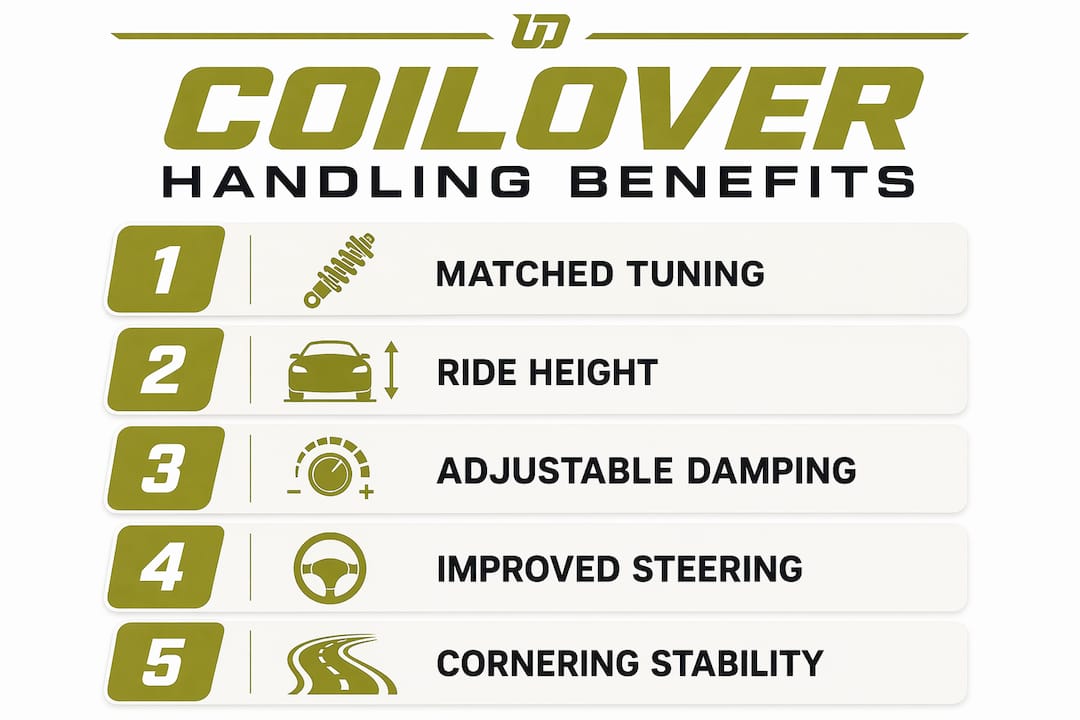
Cornering stability comes down to three things: center of gravity height, contact patch consistency, and weight transfer predictability. Coilovers address all three at once.
Lowering the ride height drops the center of gravity. A lower center of gravity reduces the leverage the car’s mass has over the suspension during cornering, which means less body roll and more even loading across all four tires. Integrated coilover systems provide matched spring and damper tuning for superior handling compared to the factory setup, and that matching is what keeps the contact patch loaded correctly through the full arc of a corner.
Here is the sequence of improvements in order of impact:
- Ride height drops, lowering the center of gravity and reducing roll torque.
- Stiffer spring rates limit suspension travel, so the body leans less and tire contact stays more consistent.
- Tuned damping controls how fast weight transfers, making the transition from straight-line to cornering load smooth and predictable.
- Corner balancing fine-tunes static weight distribution across all four corners, maximizing grip from each tire.
- Adjustable settings let you tailor the setup to your specific driving style, whether that is aggressive track work or spirited canyon runs.
Coilovers allow drivers to tune for road compliance and track use, offering a more controlled feel compared to worn factory shocks. That versatility is what separates a good coilover kit from a simple drop spring. You are not locked into one setup. You can revisit the damping settings as your driving evolves.
What is the importance of alignment and settling after installing Supra coilovers?
Alignment is not optional after a coilover install. It is the step that determines whether the handling gains actually show up at the wheel.
Lowering a Supra alters control arm angles, causing camber and toe changes that affect both handling and tire wear. A professional four-wheel alignment restores the geometry to a spec that matches your new ride height. Skip it, and you will wear through tires unevenly and lose most of the steering precision the coilovers were supposed to deliver. Aggressive negative camber improves cornering grip but accelerates inner tire wear, so the alignment spec needs to match your actual use case.
The settling period is the part most drivers underestimate. Professional installers re-measure and adjust ride height after 100–200 miles or one week because springs and dampers compress and seat during initial use. The ride height you set on day one will shift slightly as components settle.
| Stage | Action | Why it matters |
|---|---|---|
| Immediately after install | Set initial ride height and damping | Establishes baseline before settling |
| After 100–200 miles | Re-measure ride height | Springs and dampers compress during break-in |
| Professional alignment | Four-wheel alignment to new ride height | Restores camber, toe, and caster for handling |
| Ongoing | Adjust damping for conditions | Seasonal and surface changes affect optimal setup |
Alignment after coilover installation is not a one-time event, especially with aggressive settings. Build a return alignment visit into your budget from the start.
Pro Tip: Take the car for a 15-minute highway drive before your alignment appointment. Warm suspension components settle more accurately than cold ones, and the alignment shop gets a truer reading.
How do Supra coilovers compare to stock suspension and lowering springs?
The difference between coilovers and the alternatives is not just about how low the car sits. It is about how much control you have over the suspension’s behavior.
Stock suspension is engineered for comfort, longevity, and a wide range of drivers. That means soft spring rates, conservative damping, and geometry tuned for understeer to keep inexperienced drivers safe. Factory suspension compromises for comfort often degrade with age, so an older Supra on stock dampers is handling worse than the day it left the factory.
Lowering springs drop the car and increase spring rate, but they use the stock damper. That mismatch is the problem. The stock damper is not valved for a stiffer spring, so the suspension can feel bouncy or unsettled, especially over bumps. You get some of the visual and center-of-gravity benefit without the handling precision.
Coilovers present advantages over lowering springs due to matched spring and damper tuning, ride height adjustability, and damping control. That matching is the key distinction. Here is how the three options stack up on the factors that matter for handling:
- Ride height adjustability: Coilovers offer full range adjustment. Lowering springs offer one fixed drop. Stock is fixed.
- Damping control: Coilovers offer adjustable damping. Lowering springs use stock damping. Stock uses factory valving.
- Spring and damper matching: Coilovers are matched as a system. Lowering springs create a mismatch. Stock is matched but for comfort.
- Tuning capability: Coilovers can be revalved and resprung. Lowering springs cannot. Stock cannot.
For drivers who want real handling improvement and the ability to tune the setup over time, coilovers are the only option that delivers both.
What misconceptions do drivers have about Supra coilover handling?
The biggest misconception is that lower automatically means better handling. Dropping the car without proper alignment and damping setup can make handling worse, not better. A low car with incorrect camber and toe will eat tires and understeer through corners.
Coilovers are not just for track use. A properly tuned coilover kit on a street Supra can deliver a smoother, more controlled ride than worn factory dampers, because the driver controls the damping rather than accepting whatever the factory chose 10 years ago.
Temperature affects damper stiffness, and cold weather makes dampers feel noticeably firmer until the fluid warms up. New owners sometimes mistake this for a setup problem when it is just physics. Give the car a few miles to warm up before judging the ride quality in cold conditions.
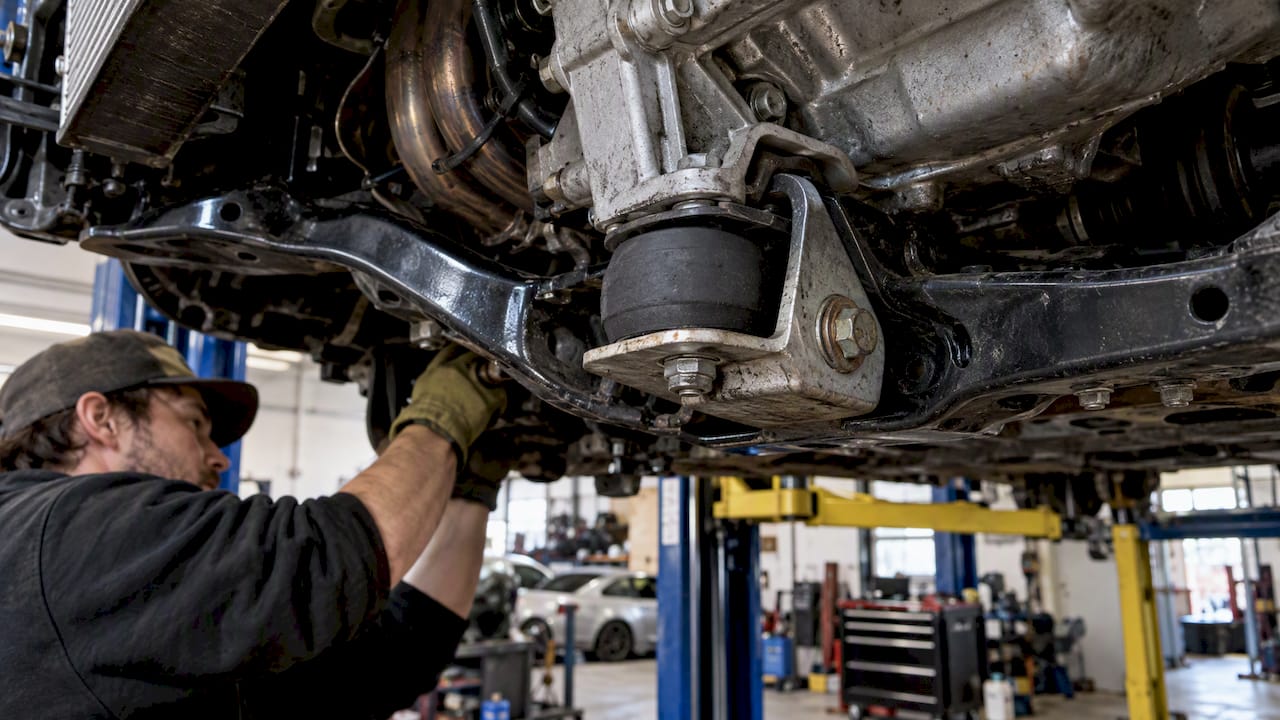
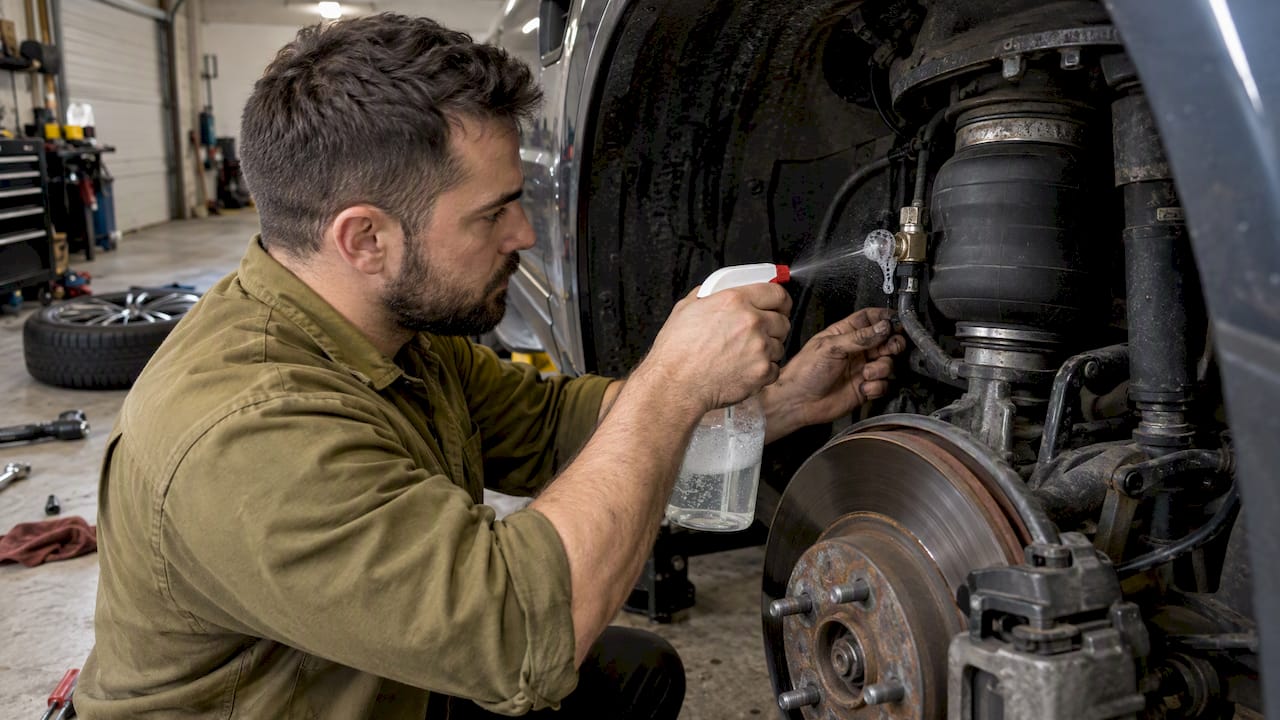
Regular inspection matters too. Coilovers require periodic checks of the perch lock rings, damper bodies, and mounting hardware. A loose perch changes ride height and throws off the alignment you paid for. Treat coilover maintenance the same way you treat oil changes: scheduled, not reactive. You can find a detailed breakdown of geometry considerations in this coilover alignment guide from Undergrounddynamics.
Key Takeaways
Supra coilovers change handling by combining matched spring and damper tuning with adjustable ride height, which lowers the center of gravity, sharpens steering response, and gives drivers direct control over weight transfer.
| Point | Details |
|---|---|
| Matched system tuning | Coilovers pair spring rate and damper valving as a unit, unlike lowering springs on stock dampers. |
| Alignment is non-negotiable | Professional four-wheel alignment after install restores geometry and prevents uneven tire wear. |
| Settling period matters | Re-measure and adjust ride height after 100–200 miles as springs and dampers compress and seat. |
| Lower does not mean better | Dropping ride height without proper alignment and damping setup can reduce handling performance. |
| Damping is adjustable | Tuning damping settings to your driving conditions unlocks the full benefit of the coilover system. |
What I’ve learned from watching drivers get coilovers wrong
Most handling problems I see after a coilover install come from one of two mistakes: skipping the post-settling alignment, or cranking the damping to maximum and calling it done. Both kill the handling gains the kit was designed to deliver.
The settling period is real. I have seen ride heights shift noticeably in the first week of driving, especially on cars that see mixed road surfaces. Going back for a second alignment after 150 miles is not a sign something went wrong. It is part of the process.
On damping, the temptation is to go stiff. Stiff feels fast in a parking lot. On an actual road with surface variation, it just transfers every imperfection directly to the chassis and reduces the tire’s ability to follow the road. The sweet spot for a street-driven Supra is usually in the lower half of the damping range, with stiffer settings reserved for smooth track surfaces.
The drivers who get the most out of their coilovers are the ones who treat setup as an ongoing process, not a one-time install. Adjust, drive, assess, repeat. That patience pays off in a car that feels genuinely connected rather than just lower.
— Ismael
Supra suspension upgrades at Undergrounddynamics
Undergrounddynamics carries a catalog of coilovers and suspension upgrades built specifically for performance-minded drivers who want fitment detail and real specs before they buy. Every kit is listed with spring rate, damping range, and ride height adjustment so you know exactly what you are getting.

If you are building a Supra for the street or the track, the suspension page covers coilover kits alongside complementary performance parts. Undergrounddynamics sources from established suppliers and lists chassis-specific fitment, so you are not guessing whether a kit works for your build. Check the performance parts catalog to see what pairs well with a coilover upgrade on the A90 platform.
FAQ
What do Supra coilovers actually change about handling?
Coilovers lower the center of gravity, sharpen steering response, and reduce body roll by replacing the factory spring and damper with a matched, adjustable system. The driver gains direct control over ride height and damping rather than accepting the factory compromise.
Do I need an alignment after installing coilovers on a Supra?
Yes. Lowering changes camber and toe angles, and skipping alignment causes uneven tire wear and negates the handling improvements. A professional four-wheel alignment is required immediately after install and again after the settling period.
How long does the coilover settling period take?
Springs and dampers stabilize within 100–200 miles or approximately one week of normal driving. Ride height may shift slightly during this period, so a second alignment check after settling is standard practice.
Are coilovers only worth it for track driving?
No. Properly tuned coilovers improve road driving by delivering more controlled, less floaty feel than worn factory dampers. The adjustable damping lets you set a comfortable street tune without sacrificing the handling gains.
How do coilovers compare to lowering springs for handling?
Coilovers match spring rate and damper valving as a system and offer adjustable ride height and damping. Lowering springs use the stock damper, which is not valved for the stiffer spring rate, resulting in limited tuning capability and less predictable handling response.
Recommended
- Why Civic Coilovers Improve Handling: A Real Driver’s Guide – Underground Dynamics
- Dialing in Coilover Alignment Settings: A Builder’s Guide – Underground Dynamics
- Why Coilover Damping Matters for Faster Lap Times – Underground Dynamics
- Honda Civic Coilover Setup: A Complete DIY Guide – Underground Dynamics