FREE SHIPPING ON ORDERS OVER $150

Cart
0
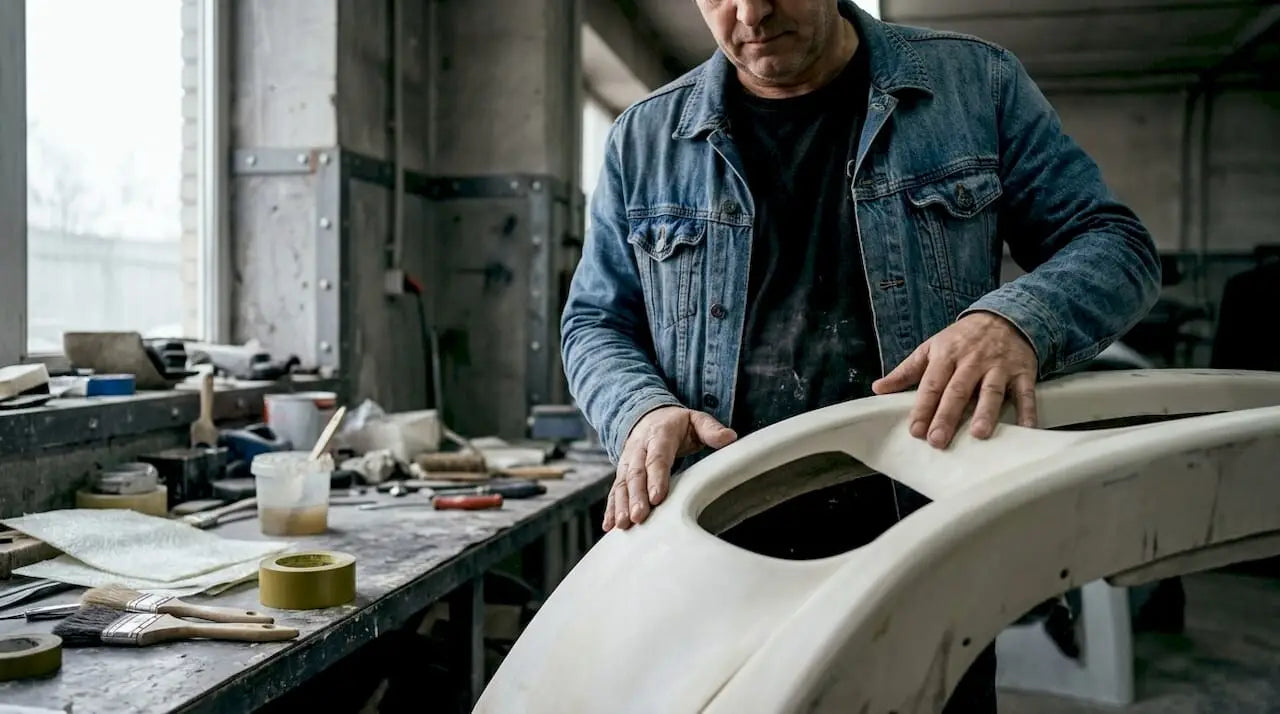
Fiberglass bumpers are the preferred body modification material for Toyota Supra builders who want aggressive styling without the weight penalty of stock plastic. The term “fiberglass bumper” refers to a glass-reinforced polymer panel that replaces the factory polypropylene unit, and it is the standard choice in aftermarket aero circles for one clear reason: it can be molded into shapes that injection-molded plastic simply cannot achieve. Understanding why Supra builds use fiberglass bumpers means understanding the trade-off between design freedom, weight, cost, and durability that every serious builder has to make.
Why Supra builds use fiberglass bumpers
Fiberglass bumpers represent about 10% of the total aftermarket bumper market in 2026. That share is concentrated almost entirely in the custom styling and widebody niche, which is exactly where the Supra community lives. The reason is simple: fiberglass can be hand-laid into molds that produce compound curves, sharp lips, and integrated canards that no factory plastic tool can replicate.
The Supra platform, from the A70 through the current A90/A91, has always attracted builders who want visual aggression to match the car’s performance reputation. Fiberglass gives them that. A stock A90 front bumper is a large, complex polypropylene piece designed for pedestrian safety ratings and cost-efficient mass production. A fiberglass replacement can be 20–30% lighter and shaped to channel air differently, which matters on a car that already has a front-mounted intercooler and a turbocharged inline-six pushing serious power.

Builders often prioritize aesthetics and weight reduction over crash durability when choosing fiberglass parts. That is not a criticism. It reflects the reality that most Supra builds are track-day cars, show vehicles, or street builds where the owner controls the risk environment.
What are the key benefits of fiberglass bumpers for Supra builds?
The advantages of fiberglass over stock plastic come down to four areas that matter most to Supra builders:
- Design flexibility. Fiberglass can be molded into shapes impossible for standard injection-molded polypropylene. Aggressive splitters, integrated canards, and wide-mouth intakes are all achievable in fiberglass at a fraction of the cost of carbon fiber tooling.
- Weight savings. Fiberglass bumpers weigh 6–10 lbs compared to 8–13 lbs for plastic bumpers. Shaving weight from the nose improves front-to-rear balance, which is critical on a car like the A90 that already runs a heavy inline-six up front.
- Corrosion resistance. Fiberglass does not rust. When properly coated, it resists UV radiation and moisture, making it a solid choice for builders in coastal or high-humidity climates where metal brackets and plastic clips corrode quickly.
- Paintability and finish quality. A well-laid fiberglass panel takes paint as cleanly as steel. Builders can achieve show-quality finishes with standard automotive primers and topcoats.
Fiberglass also holds its shape under heat better than some thermoplastic bumpers, which can warp near exhaust-adjacent areas on modified builds.
Pro Tip: Always ask your supplier about gel coat quality and layup thickness before buying. A minimum wall thickness of 3–5 mm and an epoxy-based resin system are the baseline for a bumper that will not crack at the first track day.
How does fiberglass compare to other bumper materials used in Supra builds?
Supra builders typically choose from four materials: polypropylene plastic (OEM standard), ABS plastic, fiberglass, and carbon fiber. Each has a clear use case.
| Material | Weight | Typical Cost | Best Use Case |
|---|---|---|---|
| Polypropylene (OEM) | 8–13 lbs | $150–$400 | Daily driver, stock replacement |
| ABS plastic | 8–12 lbs | $200–$500 | Budget aftermarket, basic styling |
| Fiberglass | 6–10 lbs | $500–$1,200 | Custom styling, widebody, track builds |
| Carbon fiber | 4–8 lbs | $1,000–$3,000+ | Serious weight reduction, show builds |
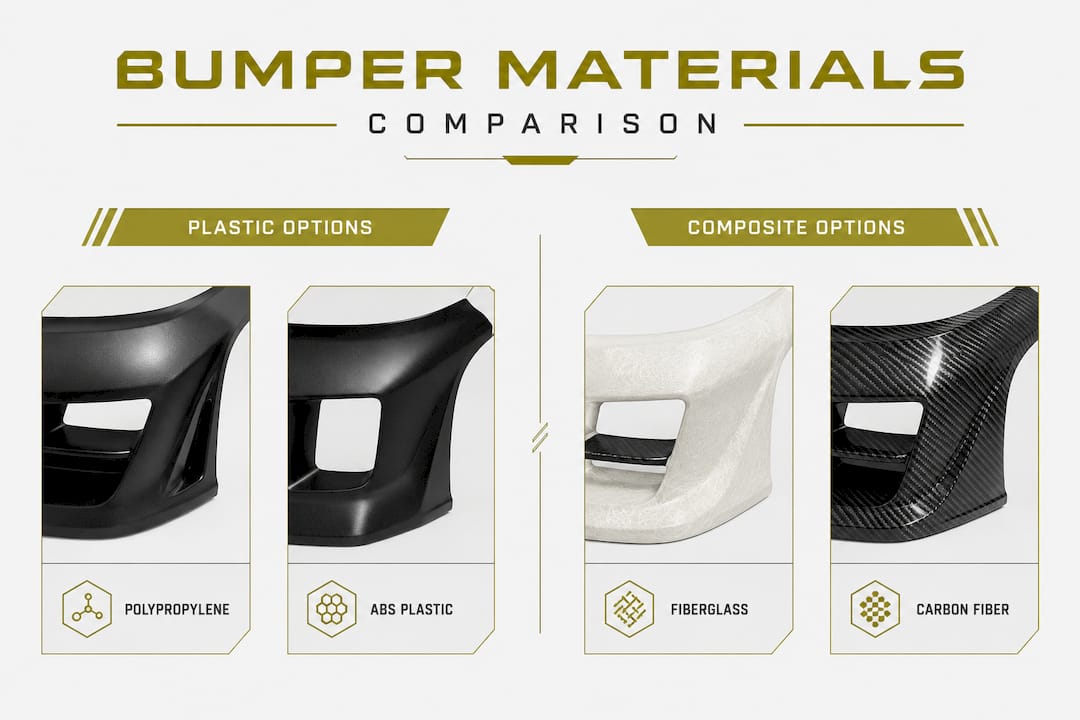
Carbon fiber bumpers cost $1,000–$3,000+ and weigh 4–8 lbs, making them the lightest and stiffest option. That stiffness is both an advantage and a limitation. Carbon fiber is less forgiving in a minor impact and significantly harder to repair than fiberglass.
Polypropylene is flexible and absorbs low-speed impacts without cracking. That is why it is the OEM choice. The problem for Supra builders is that polypropylene cannot be easily molded into the aggressive shapes the community demands. You cannot hand-lay polypropylene in a garage. You need injection-molding equipment that costs millions of dollars.
ABS plastic sits between polypropylene and fiberglass. It is more rigid than polypropylene and easier to shape, but it still cannot match the complex geometries achievable with fiberglass hand-layup. ABS is common in budget body kits where the priority is cost over design ambition.
Fiberglass hits the sweet spot for most Supra builders. It costs roughly 1.5–2x more than a plastic replacement, but it opens up design possibilities that no plastic material can match at that price point. For builders who want a widebody conversion or an aggressive front end without spending carbon fiber money, fiberglass is the practical answer.
What challenges should Supra builders consider with fiberglass bumpers?
Fiberglass is not a drop-in solution. Builders who treat it like a stock replacement part end up frustrated. The challenges are real and worth understanding before you spend $800 on a front bumper.
- Brittleness under impact. Fiberglass cracks where polypropylene flexes. A parking lot tap that leaves a scuff on a plastic bumper can crack a fiberglass panel. This is a known trade-off, not a defect.
- Fitment variation between Supra generations. Fitment issues are common especially between A90 and A91 builds. Slight differences in bumper mounts and body line geometry mean a part listed as “A90 compatible” may need modification to fit cleanly on an A91. Always verify the specific model year before purchasing.
- Layup quality varies widely. Not all fiberglass bumpers are built the same. Thin layups with polyester resin will crack faster and warp under heat. Multi-layer layups with UV-resistant gel coats are the standard for parts that will actually last.
- Repair requires skill. Fixing a cracked fiberglass panel is doable, but it requires fiberglass mat, resin, and finishing work. It is not a five-minute job with a heat gun the way plastic bumper repair can sometimes be.
Pro Tip: Before mounting, test-fit the bumper dry with no adhesive or hardware. Check the gap at every mounting point. A quality fiberglass piece should align within 3–5 mm across all edges without forcing. If it does not, contact the supplier before you start drilling.
How do fiberglass bumpers drive styling and widebody trends in the Supra community?
The Supra’s visual identity has always been tied to its wide hips and long hood. Fiberglass amplifies that identity in ways no other affordable material can. Here is how fiberglass bumpers fit into the major styling trends shaping Supra builds in 2026:
- Widebody conversions. Widebody kits require fiberglass bumpers because the material accommodates drastic shape changes and wider fender integration that plastic cannot handle. Bolt-on widebody kits using fiberglass are the most popular choice for builders who want visual aggression without permanent chassis modification.
- Show car builds. Fiberglass is used extensively in show vehicles to achieve unique visual presence beyond OEM capabilities. The ability to create one-off shapes from a custom mold means no two show cars have to look identical.
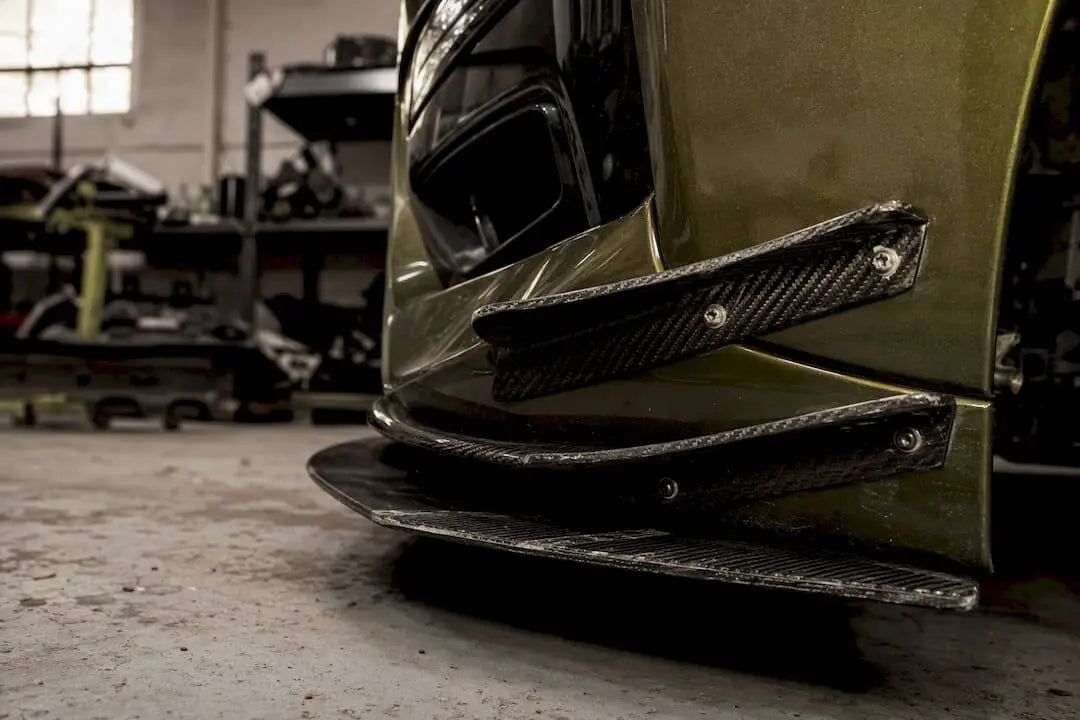
- Aggressive front-end styling. Deep front splitters, integrated lip extensions, and wide-mouth lower intakes are all standard features on competition-inspired Supra builds. These shapes require the hand-layup process that fiberglass enables.
- Aero-functional upgrades. Some fiberglass front bumpers are designed with functional aerodynamics in mind, directing airflow to the intercooler or reducing front-end lift at speed. The material’s moldability makes it possible to integrate these features without compromising the visual design.
- Community-driven design culture. The Supra tuning community, particularly in the drift and time-attack scenes, has built a visual language around wide, low, and aggressive. Fiberglass is the material that makes that language affordable. You can browse real build projects to see how builders are combining fiberglass bumpers with full aero packages on Supra platforms.
The cultural pull is real. When a build wins at Formula Drift or SEMA, the community reverse-engineers the look. Fiberglass makes that reverse-engineering accessible to builders who are not working with a professional racing budget.
Key Takeaways
Fiberglass bumpers are the dominant choice for Supra builds because they combine moldability, weight savings, and corrosion resistance at a price point that carbon fiber cannot match.
| Point | Details |
|---|---|
| Weight advantage | Fiberglass bumpers weigh 6–10 lbs versus 8–13 lbs for plastic, improving front-end balance. |
| Design freedom | Hand-layup molding enables aggressive shapes impossible with injection-molded polypropylene. |
| Widebody compatibility | Fiberglass accommodates drastic shape changes required for bolt-on widebody conversions. |
| Brittleness trade-off | Fiberglass cracks under impact; verify wall thickness of 3–5 mm and epoxy resin before buying. |
| Fitment verification | A90 and A91 Supra generations have different mount geometry; always confirm model-year compatibility. |
What I have learned from fiberglass bumpers on Supra builds
Most builders focus on the look and forget the layup. I have seen beautiful fiberglass front ends crack at the first autocross event because the builder bought the cheapest part available and assumed all fiberglass was equal. It is not. The difference between a 2 mm polyester-resin bumper and a 4 mm epoxy-resin piece is the difference between a show car and a parts car.
The other thing builders consistently underestimate is fitment prep. Fiberglass does not flex into place the way polypropylene does. If the mounting points are off by 10 mm, you are going to crack the panel trying to force it. Dry-fitting before any permanent installation is not optional. It is the step that separates builders who are happy with their results from builders who are posting in forums asking why their bumper looks crooked.
My honest take: fiberglass is the right call for most Supra builds that are not daily drivers. The weight savings are real, the design options are genuinely better, and the cost is manageable. Just buy from a supplier who can tell you the wall thickness and resin type. If they cannot answer those two questions, keep looking.
— Ismael
Fiberglass and carbon fiber body kits for your Supra build
Undergrounddynamics carries a curated range of fiberglass and carbon fiber body kits built specifically for enthusiast platforms, including Toyota Supra fitments. Every part in the catalog is listed with real fitment specs so you know what you are buying before it ships.

Whether you are planning a full widebody conversion or a front bumper swap to sharpen the nose, the Undergrounddynamics catalog gives you options across both materials and price points. Parts are sourced from established suppliers with documented layup quality, not mystery-origin budget kits. If you want to see what a complete aero build looks like from bumper to diffuser, the Undergrounddynamics store is the right starting point.
FAQ
Why do Supra builders choose fiberglass over stock plastic bumpers?
Fiberglass allows complex shapes that injection-molded polypropylene cannot achieve, and it weighs 6–10 lbs compared to 8–13 lbs for plastic. That combination of design freedom and weight savings makes it the standard choice for custom and widebody Supra builds.
Is fiberglass safe for a street-driven Supra?
Fiberglass is safe for street use but cracks under impact where plastic flexes. Builders who daily drive their Supra should factor in the higher repair cost and brittleness before choosing fiberglass over a flexible plastic replacement.
What wall thickness should a quality fiberglass Supra bumper have?
A minimum wall thickness of 3–5 mm with an epoxy-based resin is the baseline for a bumper that holds up to regular use. Thinner polyester-resin parts are cheaper but crack faster and warp under heat.
Do fiberglass bumpers fit both A90 and A91 Supra models?
Not always. Slight differences in bumper mount geometry between A90 and A91 builds mean fitment must be verified for the specific model year. Always confirm compatibility with the supplier before purchasing.
How does fiberglass compare to carbon fiber for Supra bumpers?
Carbon fiber bumpers weigh 4–8 lbs and cost $1,000–$3,000+, making them lighter and stiffer but significantly more expensive and harder to repair. Fiberglass at $500–$1,200 offers a better balance of cost, weight, and design flexibility for most Supra builders.