FREE SHIPPING ON ORDERS OVER $150

Cart
0
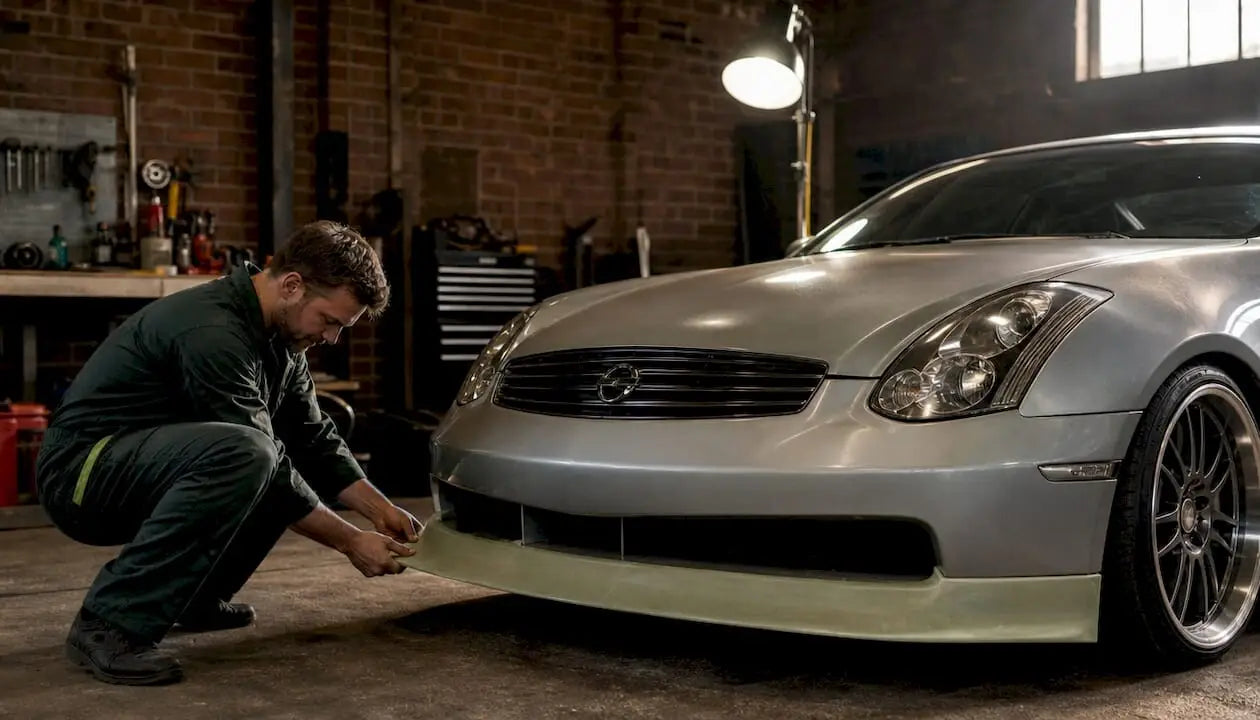
Fiberglass is defined as the preferred composite material for Nissan G35 aero builds because it combines lightweight rigidity, moldability, and a cost structure that carbon fiber and polyurethane simply cannot match. Understanding why fiberglass suits G35 aero builds starts with one fact: fiberglass bumpers cost $400–$900, while comparable carbon fiber kits exceed $4,000. That gap funds coilovers, paint, and seat time. Fiberglass also holds complex curves and sharp aero lines that polyurethane struggles to replicate cleanly. For builders chasing aggressive aesthetics without crying into their bank app, fiberglass is the starting point.
Why fiberglass suits G35 aero builds better than carbon fiber or urethane
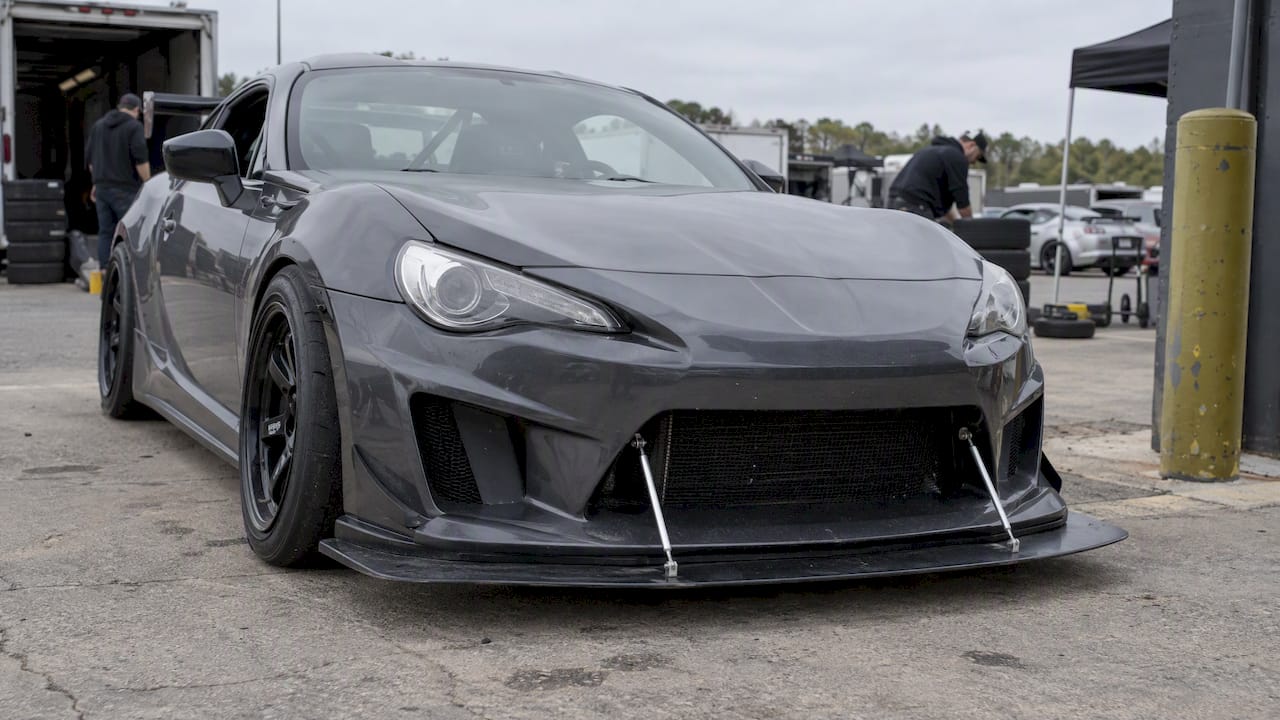
Fiberglass is the gold standard for custom shaping in the G35 aftermarket. No other material at this price point lets you pull off the sharp splitter edges, deep canards, and complex diffuser geometry that define a serious G35 aero setup. Carbon fiber delivers those same lines, but the cost puts it out of reach for most builders. Polyurethane flexes on impact, which sounds good, but that same flexibility prevents it from holding crisp aero geometry under load.
Cost comparison: fiberglass vs. carbon fiber vs. polyurethane
The price difference between materials is not marginal. It is the deciding factor for most builds.
| Material | Typical part cost | Best suited for |
|---|---|---|
| Fiberglass | $400–$900 per piece | Show builds, track builds, custom aero |
| Carbon fiber | $4,000+ for full kits | High-end track and time attack builds |
| Polyurethane | Mid-range pricing | Daily drivers, parking lot environments |
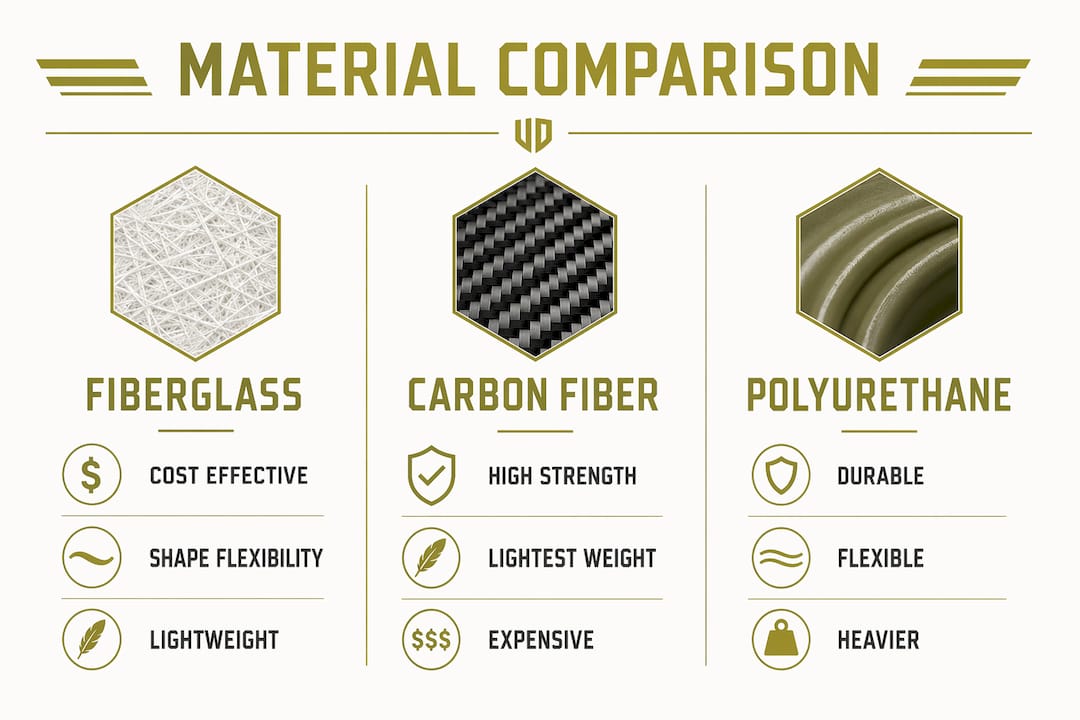
Fiberglass wins on cost and shape complexity. Carbon fiber wins on weight-to-strength ratio at the extreme end. Polyurethane suits daily drivers who need impact resistance more than sharp lines.
Why the G35 platform responds well to fiberglass aero
The G35 chassis is stiff enough to benefit from functional aero additions. Fiberglass diffusers and splitters reduce front lift and improve high-speed stability on tuned G35 track builds. That is not a cosmetic claim. At speed, a properly mounted fiberglass front splitter changes how the car loads the front tires. The G35’s long hood and wide front fascia also give fiberglass fabricators plenty of surface area to work with, which is why the platform has attracted so many custom wide-body and full aero kit designs.
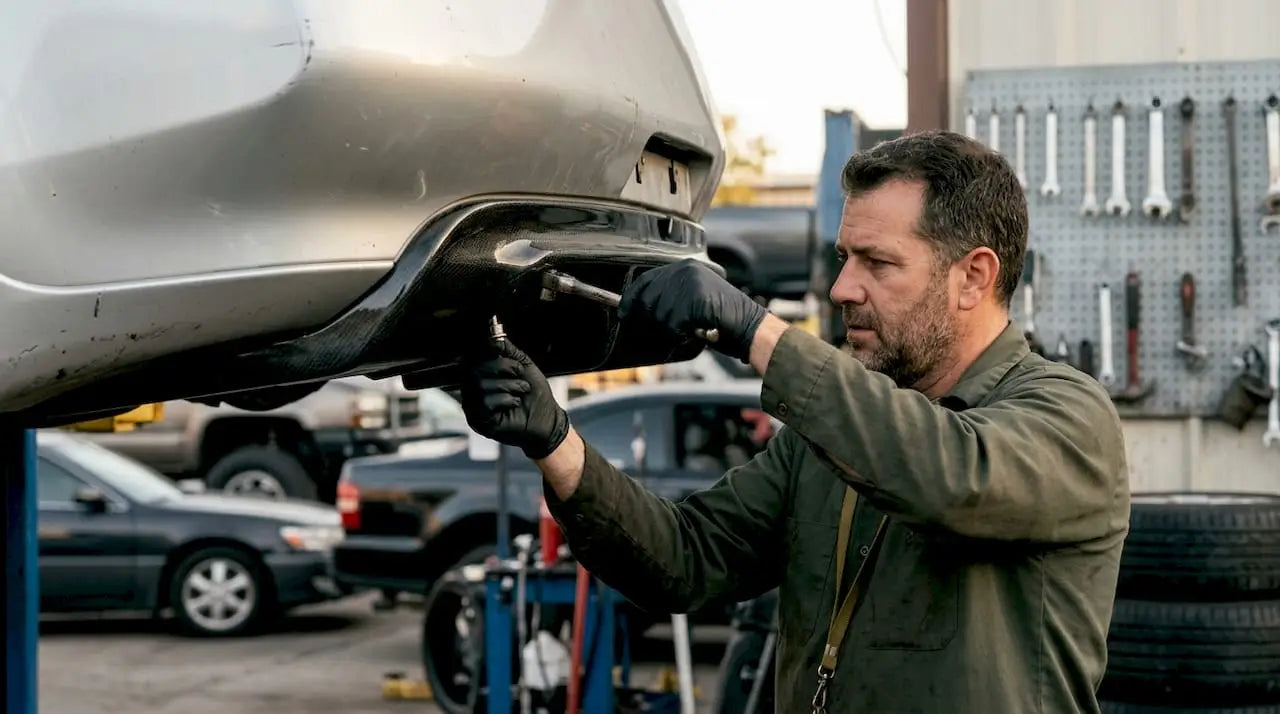
Fiberglass also allows builders to create shapes that carbon fiber molds cannot economically justify. A one-off canard or a custom rear diffuser extension costs a fraction of what carbon fiber tooling would require. That flexibility is why fiberglass dominates the G35 community for custom aero work. The same logic applies to 350z builds and Accord builds, where the material’s moldability solves platform-specific fitment challenges that off-the-shelf urethane kits cannot address.
What are the challenges of using fiberglass on a G35?
Fiberglass is not plug-and-play. That is the most important thing to understand before you order a kit. Fiberglass parts rarely fit precisely out of the box, and skipping the fitting phase is the fastest way to end up with cracked paint six months later.
The most common problems builders run into include:
- Fitment gaps. Fiberglass requires sanding, filler, and repeated trial fitting before it sits flush against factory body lines.
- Spider cracking. Stress cracks from chassis vibrations appear when parts are mounted too rigidly without vibration-dampening hardware.
- Moisture absorption. Environmental factors like moisture and thermal expansion cause warping and delamination when parts are not properly sealed.
- Paint adhesion failure. Skipping proper primers leads to peeling within 6–12 months, especially in climates with temperature swings.
The fragility issue is real but manageable. Fiberglass cracks on minor impacts where polyurethane would flex and recover. For a show car or a weekend track build, that trade-off is acceptable. For a daily driver taking parking lot hits, it is not.
Pro Tip: Before any paint goes on, seal every raw fiberglass edge with epoxy resin. Unsealed edges absorb moisture and cause delamination from the inside out, which no amount of primer will fix later.
Environmental exposure and improper sealing are the leading causes of fiberglass part degradation. The fix is not expensive. It is just a step most builders skip because they are eager to get to paint.
How do experienced builders install fiberglass aero parts on a G35?
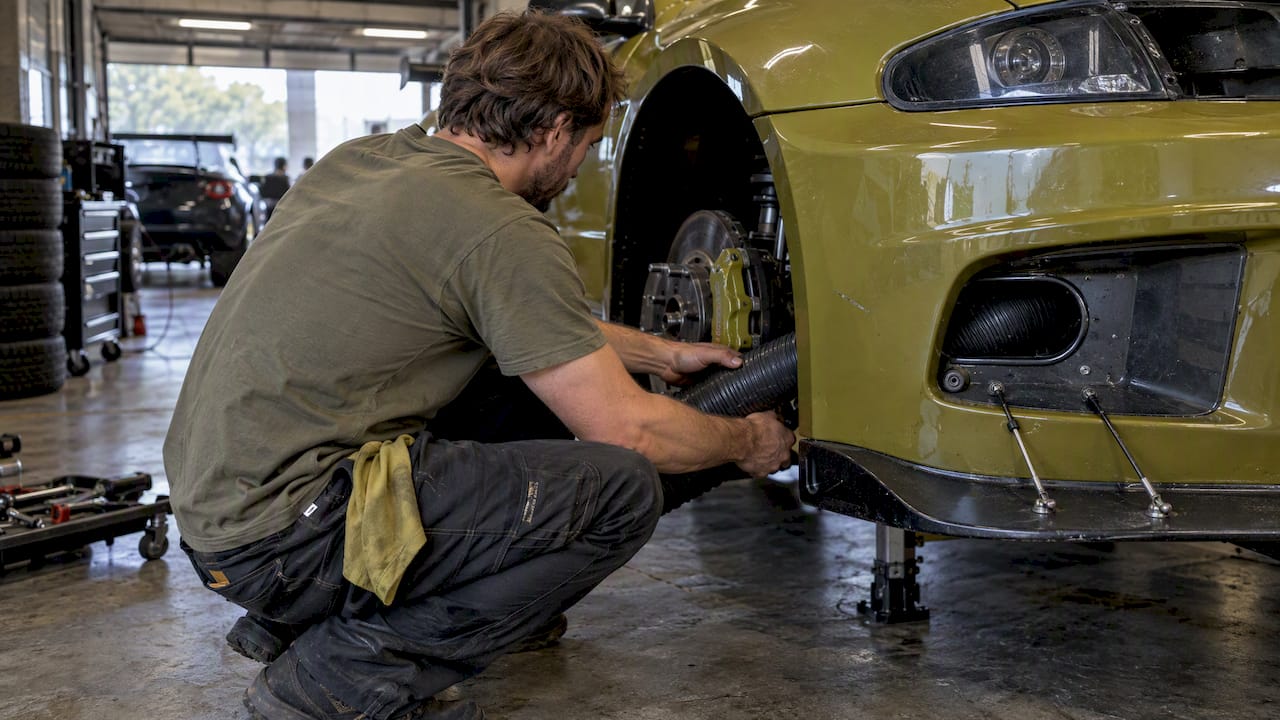
The fitting phase is where a fiberglass build either succeeds or fails. Budget 10–20 hours for mock-up work before you even think about primer. That includes dry fitting, marking gaps, sanding high spots, applying body filler, and repeating the cycle until the panel sits correctly. Rushing this phase is the single most common mistake builders make.
Here is the process experienced builders follow:
- Dry fit first. Mount the part without adhesive or final hardware. Mark every gap and high spot with a marker.
- Sand and fill. Use a long board sander to flatten high spots. Apply body filler to low spots and sand flush.
- Check panel gaps. G35 factory body lines are tight. Fiberglass parts need to match those gaps or the finished build looks amateur.
- Apply epoxy primer. Epoxy primer with surface etching is non-negotiable for fiberglass adhesion. Standard automotive primers fail prematurely on raw fiberglass.
- Mount with rubber washers. Place rubber washers or gaskets between bolt heads and the fiberglass surface. This absorbs chassis vibration and prevents stress cracks at mounting points.
- Use flex-agent clear coat. Add a flex agent to your clear coat. Without it, the paint film cracks as the fiberglass panel moves slightly under load.
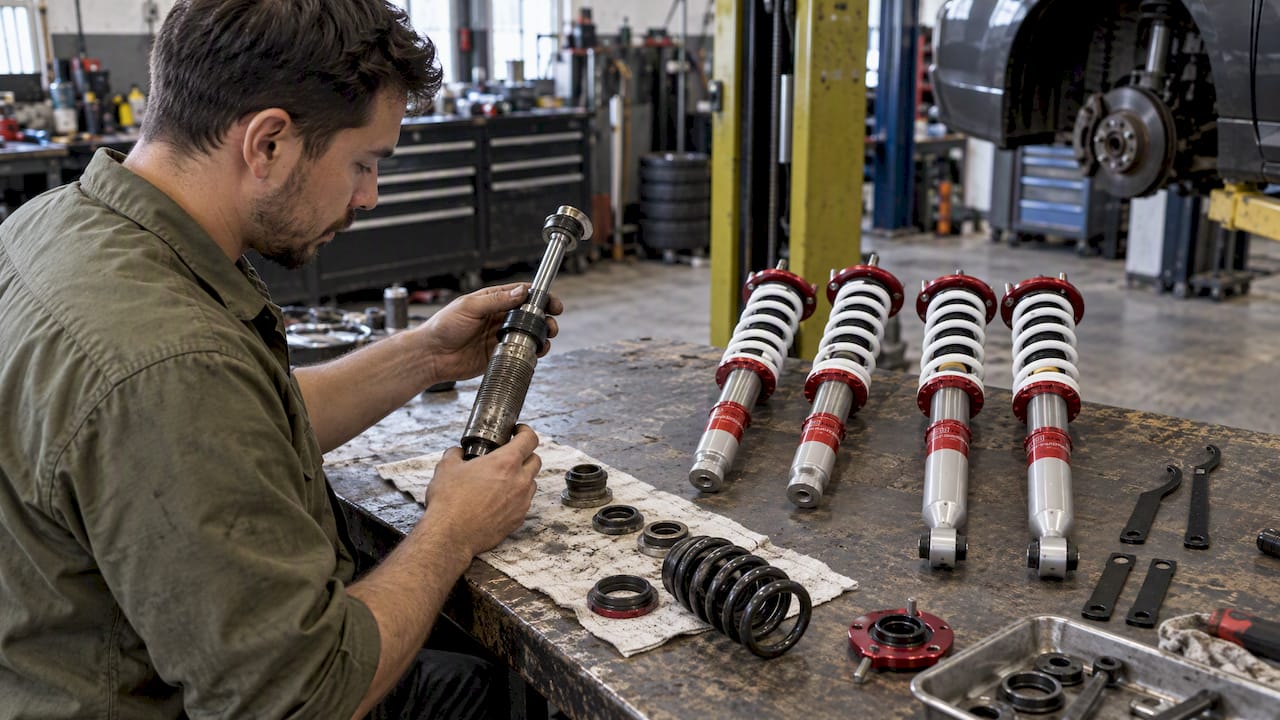
Pro Tip: If you are running coilovers on your G35, the chassis is stiffer than stock. That stiffness transfers directly to mounted fiberglass panels. Rubber-isolated mounting points are not optional on a coilover setup. They are the difference between a panel that lasts three years and one that cracks in three months.
Proper surface preparation for fiberglass follows the same logic as any composite finish work. The substrate has to be sealed, primed, and mechanically keyed before paint. Skip any step and the finish tells on you.
What build type is fiberglass actually right for?
Fiberglass is not the right answer for every G35 build. The material performs best in specific use cases, and knowing which one matches your build saves you money and frustration.
Show builds and event cars are where fiberglass shines brightest. Sharp aero lines, complex shapes, and a paint-ready surface make it the top choice when aesthetics and visual impact matter most. The car is not taking daily abuse, so the fragility trade-off is irrelevant.
Track builds benefit from fiberglass because weight matters. A fiberglass front bumper is lighter than a polyurethane equivalent, and that weight reduction at the front of the car affects turn-in response. Fiberglass is favored for track builds where lightness and sharp design lines are the priority.
Daily drivers are where fiberglass struggles. Parking lots, speed bumps, and minor fender contacts that polyurethane shrugs off will crack fiberglass. Budget builders often choose fiberglass for cost and shape flexibility, but daily drivers are better served by urethane for durability. The same principle applies whether you are building a G35, a 350z, or an Accord.
Here is a quick breakdown by build type:
- Show car: Fiberglass is the best choice. Prioritize aesthetics and sharp lines.
- Track/time attack: Fiberglass works well. Weight savings and aero function matter more than impact resistance.
- Weekend warrior: Fiberglass is viable with careful handling and proper mounting.
- Daily driver: Polyurethane or ABS is the smarter call. Impact resistance beats aesthetics when the car lives in traffic.
For a full picture of how aero material selection affects performance on small sports platforms like the G35, the build type question is always the first one to answer.
Key Takeaways
Fiberglass is the best material for G35 aero builds when cost, shape complexity, and build type align with its strengths, but it demands proper fitting, sealing, and mounting to perform.
| Point | Details |
|---|---|
| Cost advantage is significant | Fiberglass parts cost $400–$900 vs. $4,000+ for carbon fiber full kits. |
| Shape flexibility is unmatched | Fiberglass holds sharp aero lines and complex curves that urethane cannot replicate cleanly. |
| Fitting takes real time | Budget 10–20 hours for mock-up, sanding, and gap filling before any primer goes on. |
| Mounting hardware matters | Rubber washers at bolt points prevent stress cracks, especially on coilover-equipped G35 builds. |
| Build type determines the right material | Fiberglass suits show and track builds; polyurethane is the better call for daily drivers. |
Fiberglass is still the honest choice for serious G35 builders
I have seen a lot of builders chase carbon fiber because it sounds more serious. The truth is, carbon fiber makes sense at the top end of time attack and professional drift builds where every gram counts and budgets are not a constraint. For the vast majority of G35 builds, fiberglass delivers the same visual result and functional aero benefit at a fraction of the cost.
What I find most interesting is how fiberglass rewards skill. A builder who takes the time to fit, fill, and finish properly ends up with a result that looks better than a poorly installed carbon fiber panel. The material does not do the work for you. That is actually what makes it the right choice for enthusiasts who want to learn the craft, not just bolt on a kit.
The misconception I hear most often is that fiberglass is a budget compromise. It is not. It is a material with specific strengths that match the G35 platform well. The car has the chassis stiffness to benefit from functional aero, the body geometry to accommodate complex fiberglass shapes, and a community that has spent years developing fitment knowledge for these parts.
Carbon fiber adoption is growing, and urethane has its place for street builds. But fiberglass remains the material that gives G35 builders the most control over their final result. If you are willing to put in the fitting hours, it pays off every time.
You can explore a full aero package breakdown to see how fiberglass components fit into a complete build plan.
— Ismael
G35 fiberglass aero parts at Undergrounddynamics
Undergrounddynamics carries fiberglass and carbon fiber body kits built specifically for G35 builders who want real fitment detail before they buy. Every part listing includes material specs, chassis compatibility, and technical notes so you know what you are getting into before the part ships.

The catalog covers front lips, full bumper kits, wide-body fenders, and hoods, all sourced from established suppliers with track records in the enthusiast community. If your G35 build also needs suspension work to match the aero stance, the coilovers and air suspension section has options that pair directly with lowered G35 setups. Undergrounddynamics is built for builders who want to spec their parts correctly the first time.
FAQ
Is fiberglass or carbon fiber better for a G35 aero build?
Fiberglass is the better choice for most G35 builds because it costs $400–$900 per piece versus $4,000+ for carbon fiber kits. Carbon fiber is worth the cost only for extreme track or time attack builds where weight savings are the primary goal.
How long does it take to fit fiberglass aero parts on a G35?
Expect 10–20 hours of mock-up work including sanding, gap filling, and dry fitting before the part is ready for primer. Rushing this phase causes paint cracking and poor panel gaps.
Why does fiberglass crack on a G35 with coilovers?
Coilovers stiffen the chassis and transfer more vibration to mounted panels. Without rubber washers between bolt heads and the fiberglass surface, stress cracks develop at mounting points within months.
Can I use fiberglass aero parts on a G35 daily driver?
Fiberglass is not ideal for daily driving because it cracks on minor impacts that polyurethane would flex and recover from. Daily drivers are better served by urethane or ABS body kit materials.
What primer should I use on fiberglass G35 parts?
Epoxy primer with surface etching is the correct choice for fiberglass. Standard automotive primers fail to bond properly and lead to paint peeling within 6–12 months, particularly in climates with temperature variation.